

The 2026 development of lightweight aluminum truck brake calipers represents a pivotal shift in commercial vehicle engineering, focusing on reducing unsprung weight to enhance fuel efficiency and thermal management. This article examines the technological advancements, material science, and maintenance implications of adopting aluminum alloys within the heavy-duty braking sector.
The Evolution of Commercial Vehicle Braking Systems
Commercial vehicle braking technology has transitioned from traditional heavy cast iron structures toward high-performance light alloys. Historically, the “Commercial Vehicle Part Industry” relied on ductile iron due to its high tensile strength and low cost, but the demand for lower carbon emissions in 2026 has prioritized weight reduction. Modern fleet operators now seek components that minimize parasitic loss while maintaining the structural integrity required for 15-ton to 40-ton applications.
Material Science: Why Aluminum Alloys Lead in 2026
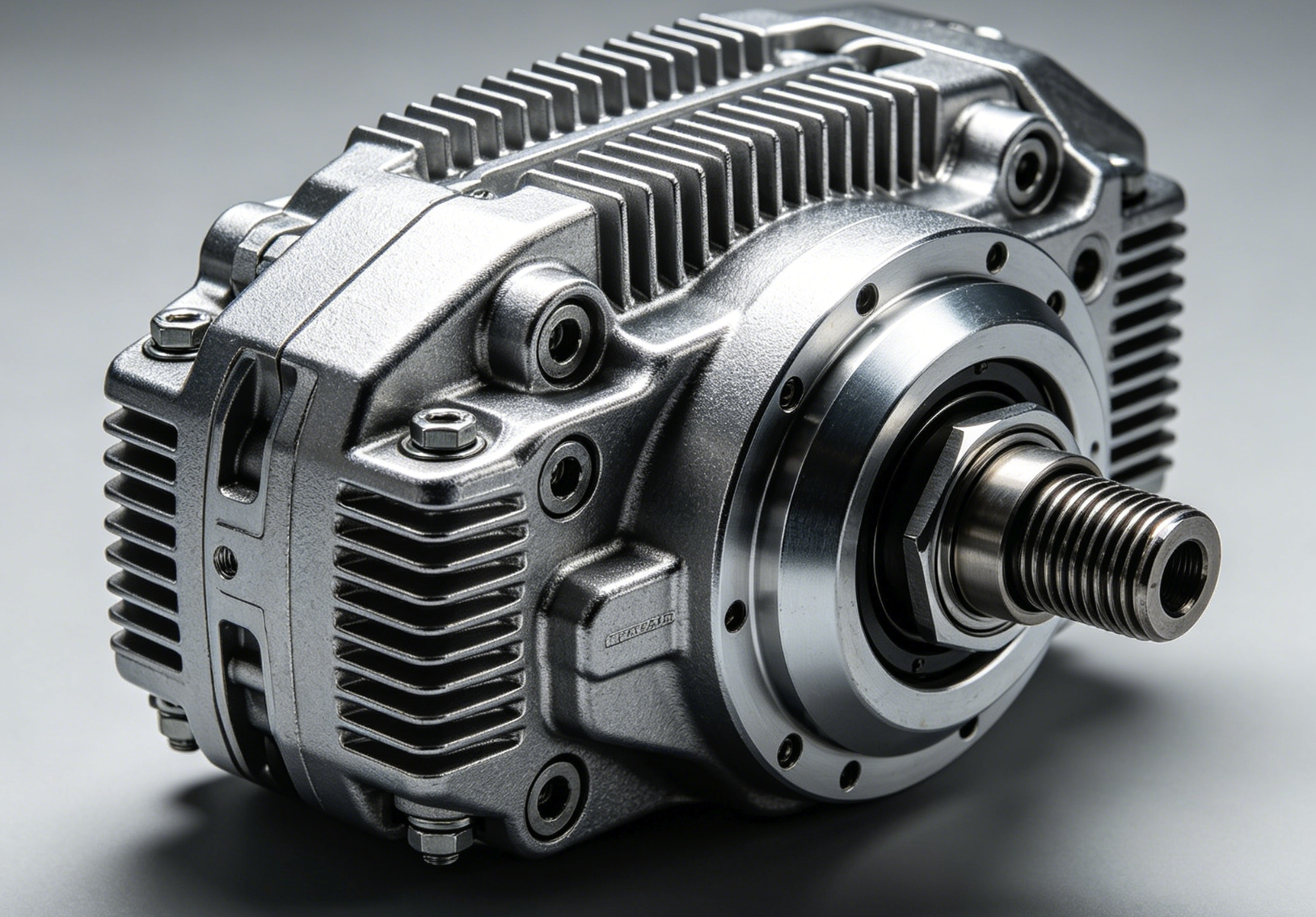
Advanced aluminum-lithium and silicon-carbide reinforced aluminum matrix composites are the primary materials used in the 2026 development of lightweight aluminum truck brake calipers. These materials offer a strength-to-weight ratio that allows a single caliper unit to be up to 45% lighter than its cast-iron predecessor. By reducing the overall mass of the Air Brake System, manufacturers can improve the responsiveness of the suspension and reduce tire wear caused by heavy oscillating masses.
Comparing Traditional Iron vs. Modern Aluminum Calipers
The following table highlights the technical differences between traditional materials and the latest 2026 aluminum developments.
| Feature | Traditional Cast Iron Calipers | 2026 Lightweight Aluminum Calipers |
|---|---|---|
| Average Weight | 12 kg – 18 kg | 6.5 kg – 9.5 kg |
| Thermal Conductivity | ~50 W/(m·K) | ~120-160 W/(m·K) |
| Corrosion Resistance | Moderate (Requires Coating) | High (Inherent Oxide Layer) |
| Unsprung Mass Impact | High | Low |
| Primary Use Case | Budget OEM / Heavy Mining | Long-haul Logistics / Electric Trucks |
Impact on Fuel Efficiency and Payload Capacity
Weight reduction in the braking assembly directly correlates to increased payload capacity for logistics providers. Every kilogram saved on the chassis allows for an equivalent increase in cargo weight, optimizing the revenue per kilometer for fleet owners. Furthermore, for the growing segment of electric heavy-duty trucks, reducing the weight of Brake Caliper assemblies is essential to extend battery range and offset the significant mass of onboard energy storage systems.
Thermal Management and Dissipation Performance
Aluminum calipers excel in heat dissipation, a critical factor in preventing brake fade during prolonged descents. According to the Society of Automotive Engineers (SAE), managing the thermal interface between the brake pad and the caliper housing is vital for maintaining consistent clamping force. High thermal conductivity in aluminum prevents the boiling of brake fluid, ensuring that the Brake Chamber pressure translates effectively into stopping power without pneumatic lag or hydraulic compressibility issues.
Engineering Challenges in Lightweight Caliper Design
Despite the benefits, aluminum calipers require sophisticated engineering to combat the lower modulus of elasticity compared to iron. To prevent “caliper spread” under high-pressure emergency braking, 2026 designs utilize monobloc construction or high-tensile steel bridge bolts. Engineers must ensure that Brake Slack Adjuster mechanisms remain compatible with the different expansion rates of aluminum housings to prevent over-adjustment during high-temperature cycles.
Sustainability and Environmental Standards in 2026
The shift toward aluminum aligns with global “Circular Economy” initiatives and stricter ELV (End-of-Life Vehicle) directives. Aluminum is highly recyclable, requiring only 5% of the energy to reprocess compared to primary production. Industry reports from the International Aluminum Institute indicate that the automotive sector’s demand for secondary aluminum has peaked in 2026, driven largely by the heavy-duty aftermarket’s need for sustainable replacement parts.
Maintenance and Aftermarket Replacement Trends
In the B2B aftermarket, the replacement of traditional iron units with lightweight aluminum versions is becoming a standard upgrade during major overhauls. Service centers focusing on Wheel Hub assemblies find that aluminum calipers are easier to handle, reducing labor strain and installation time. However, technicians must use specific torque settings and anti-corrosive lubricants to prevent galvanic corrosion when aluminum components interface with steel mounting brackets.
Selection Criteria for Fleet Procurement
When sourcing lightweight calipers, procurement officers must evaluate the specific alloy grade and the coating technology used. The following checklist provides a framework for selecting high-quality 2026 aluminum braking components.
Selection Checklist for Aluminum Calipers:
- Alloy Certification: Ensure the use of 6000 or 7000 series aerospace-grade aluminum.
- Piston Material: Verify if pistons are stainless steel or phenolic to reduce heat transfer to the fluid.
- Surface Treatment: Look for hard-anodized finishes for maximum wear resistance in harsh road salt environments.
- Seal Compatibility: Confirm that internal seals meet the temperature requirements of modern high-boiling-point fluids.
Market Outlook: The Future of Braking Materials
By the end of 2026, it is estimated that lightweight calipers will hold a 30% market share in the premium heavy-duty aftermarket. As manufacturing costs decrease through improved die-casting techniques, these components will likely become the standard for all “China Auto Parts Manufacturers” exporting to European and North American markets. Ongoing research into carbon-ceramic rotors paired with aluminum calipers suggests even further weight savings are on the horizon for 2030.
Technical Specification Overview
For technical departments and engineers, understanding the physical limits of new aluminum designs is paramount for safety.
| Specification | Standard Iron Caliper | 2026 Lightweight Caliper |
|---|---|---|
| Max Operating Pressure | 10 bar (Pneumatic) | 12 bar (Pneumatic) |
| Operating Temp Range | -40°C to +700°C | -50°C to +550°C (Fluid Limit) |
| Fatigue Life (Cycles) | 1,000,000 | 1,200,000 |
| Mounting Hardware | Grade 10.9 Steel | Grade 12.9 Steel |
Conclusion
The 2026 development of lightweight aluminum truck brake calipers is not merely a trend but a necessary evolution in response to the logistical and environmental demands of the modern world. By integrating these high-performance materials, the commercial vehicle industry achieves a balance between safety, efficiency, and sustainability. For the B2B aftermarket, this represents a significant opportunity to provide high-value, durable solutions that reduce the total cost of ownership for global fleets.
FAQ
1. Can aluminum calipers handle the high pressures of heavy-duty air brake systems?
Yes, 2026 aluminum calipers are engineered using high-tensile alloys and monobloc designs that exceed the pressure requirements of standard commercial vehicles. Advanced structural simulations ensure that these units maintain rigidity and prevent “spreading” even under extreme emergency braking conditions of 10-12 bar.
2. Do lightweight aluminum calipers require special maintenance compared to cast iron?
While the basic service intervals remain similar, aluminum calipers require the use of specific lubricants to prevent galvanic corrosion at contact points with steel brackets. Technicians should also strictly adhere to torque specifications, as aluminum threads can be more sensitive to over-tightening than traditional ductile iron housings.
3. Are these aluminum calipers compatible with existing heavy-duty truck axles?
Most 2026 lightweight calipers are designed as “bolt-on” replacements for standard cast iron units, meaning they share the same mounting dimensions. This allows fleet managers to upgrade existing vehicles during routine maintenance of the wheel end and braking system without requiring custom modifications to the axle.
4. How much fuel can a fleet save by switching to aluminum brake calipers?
While savings vary by route, reducing unsprung weight by approximately 40kg to 60kg per vehicle (across all axles) can improve fuel efficiency by an estimated 0.5% to 1%. For large-scale logistics operations, this translates into significant annual cost reductions and a lower carbon footprint across the entire fleet.
5. What is the expected lifespan of an aluminum caliper in a commercial application?
In standard long-haul conditions, a high-quality aluminum caliper is designed to last over 1.2 million cycles, often outlasting the vehicle’s secondary lifecycle. Their superior corrosion resistance compared to iron means they are less likely to suffer from “seizing” due to rust, which is a common failure point in iron calipers.
Post time: May-14-2026