




A brake chamber push rod that won’t return is a critical mechanical failure in commercial vehicle air brake systems that compromises safety and increases operational costs. This guide identifies the root causes of push rod stagnation and provides actionable solutions for fleet maintenance professionals and aftermarket distributors.
Understanding the Brake Chamber Push Rod Mechanism
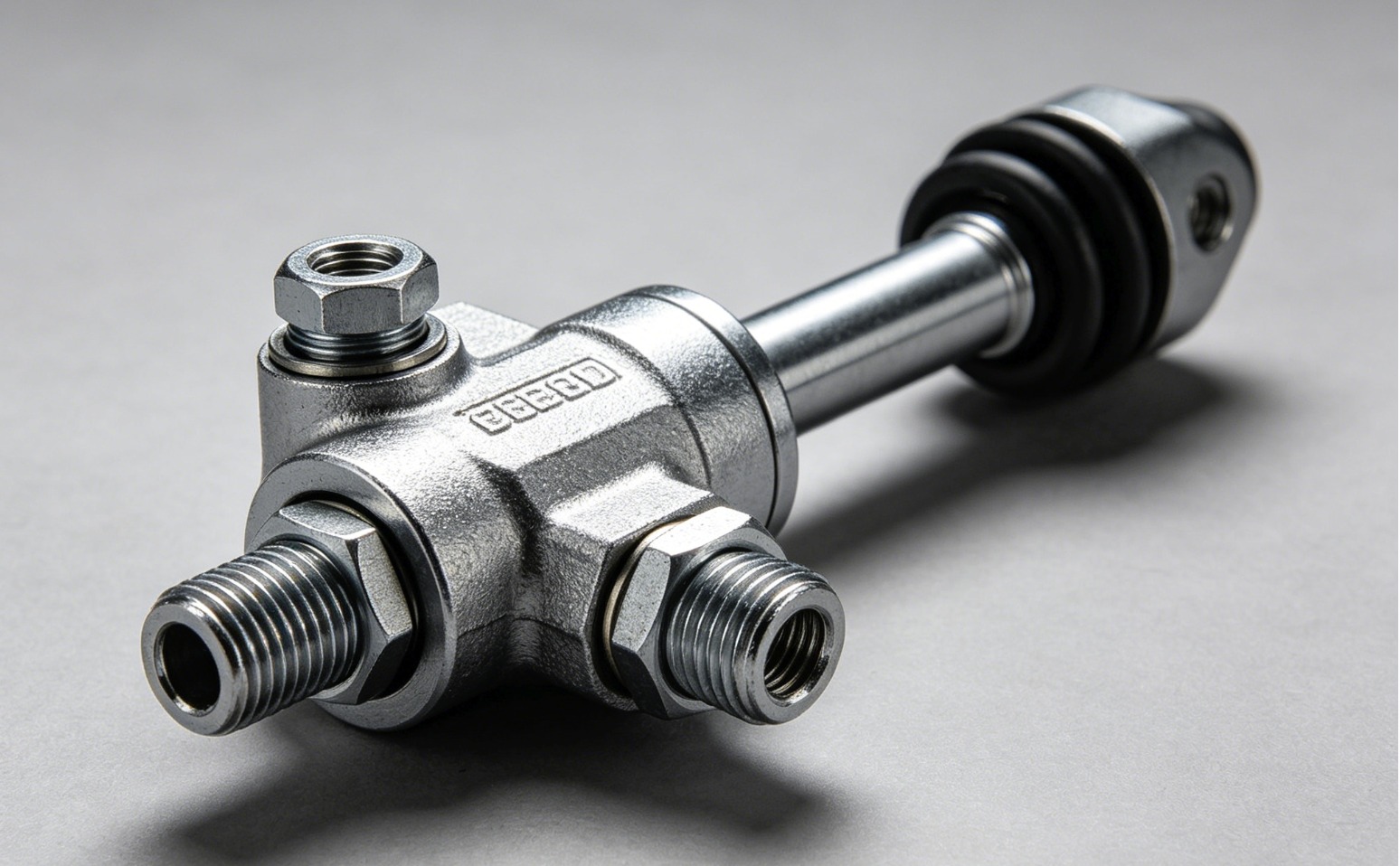
The brake chamber push rod is the mechanical link that translates pneumatic pressure into the physical force required to engage brake shoes against the drum. Under normal operation, when air pressure is released, an internal heavy-duty return spring forces the push rod back to its original “caged” or neutral position. If this return stroke fails, the vehicle may suffer from brake drag, overheating, or total wheel lockup.
In a standard S-cam brake system, the push rod connects to a Slack Adjuster, which manages the clearance between the lining and the drum. A failure in the return movement often indicates a loss of equilibrium between the internal spring force and external frictional resistance. According to the Commercial Vehicle Safety Alliance (CVSA), brake-related issues remain the top cause of out-of-service violations during roadside inspections in 2026.
Primary Causes of Push Rod Return Failure
1. Internal Spring Fatigue or Breakage
The most frequent cause of a push rod failing to retract is a broken or fatigued return spring within the service or spring brake section. Over years of duty cycles, the tempered steel can succumb to corrosion or mechanical stress, losing the tension required to overcome the friction of the foundation brakes.
2. Excessive Friction in the Foundation Brakes
Even a functional Brake Chamber cannot retract the push rod if the camshaft or slack adjuster is seized. Lack of lubrication on the S-cam bushings or anchor pins creates a “mechanical bind” that exceeds the spring’s return capacity.
3. Internal Contamination and Corrosion
Air systems that lack proper maintenance often harbor moisture and oil. This mixture creates sludge or ice (in cold climates) inside the chamber housing, physically obstructing the diaphragm and push rod assembly.
| Component | Common Failure Mode | Impact on Return Stroke |
|---|---|---|
| Return Spring | Corrosion or Fracture | Zero force to pull rod back |
| Diaphragm | Swelling or Bunching | Creates physical blockage |
| Push Rod Guide | Lack of Lubrication | High friction resistance |
| S-cam Bushing | Seizure | External mechanical bind |
Diagnostic Procedures for Sticking Push Rods
To determine if the issue is internal to the chamber or external in the linkage, technicians should perform a “disconnection test.” By removing the clevis pin that joins the push rod to the slack adjuster, you can isolate the components. If the rod remains extended after disconnection, the Truck Brake Caliper shell or chamber itself is defective.
If the rod snaps back instantly upon disconnection, the fault lies in the foundation brakes—likely a seized camshaft or a faulty Automatic Slack Adjuster. Proper diagnosis prevents the unnecessary replacement of functional parts. Industry standards from organizations like Technology & Maintenance Council (TMC) suggest that air system integrity should be verified before assuming mechanical failure.
Solutions and Corrective Actions
Replacing the Brake Chamber
If the internal spring is broken, the safest and most cost-effective solution in the B2B aftermarket is the replacement of the entire chamber. Modern service chambers are sealed units; attempting to replace internal springs is extremely hazardous due to the high potential energy stored within.
Lubrication and Maintenance of Linkages
Regular greasing of the Brake Master Cylinder linkages and foundation brake components is essential. Using a high-quality, water-resistant lithium grease on the cam bushings and slack adjuster ensures that the return spring only has to overcome minimal resistance.
Air System Decontamination
To prevent future occurrences, ensure the vehicle’s air dryer is functioning correctly. Purging the air tanks daily removes the moisture that leads to internal chamber corrosion and “frozen” push rods during winter operations.
| Solution Type | Action Required | Expected Outcome |
|---|---|---|
| Component Replacement | Install new T24/30 or T30/30 chamber | Restores factory return tension |
| System Lubrication | Grease S-cam and Slack Adjuster | Reduces return resistance |
| Pneumatic Service | Replace Air Dryer Cartridge | Prevents internal corrosion |
Selecting the Right Replacement Parts
For fleet managers, selecting a Solenoid Valve or brake chamber from a verified manufacturer is vital for long-term reliability. Ensure the replacement matches the original equipment (OE) specifications for stroke length and chamber size. Using a “Long Stroke” chamber where a standard stroke was intended can lead to imbalanced braking across the axle.
Data from recent 2025 industry reports suggest that high-quality aftermarket components manufactured under ISO9001 standards perform on par with OE parts while offering a significant reduction in Total Cost of Ownership (TCO).
Troubleshooting Flowchart: Push Rod Won’t Return
- Step 1: Release all air pressure from the system.
- Step 2: Inspect for visible debris or ice around the push rod dust boot.
- Step 3: Disconnect the clevis pin from the slack adjuster.
- Step 4: If the rod returns, lubricate the foundation brakes and check the Wheel Brake Cylinder if applicable.
- Step 5: If the rod stays out, replace the brake chamber immediately.
Conclusion: Prioritizing Brake System Health
A sticking push rod is more than a nuisance; it is a precursor to brake failure. By understanding the balance between internal spring force and external friction, maintenance teams can quickly resolve issues and keep commercial vehicles on the road. Consistent inspection of the Brake Pad wear and chamber integrity is the best defense against unexpected downtime. For further technical specifications, refer to the NHTSA Air Brake Systems Guide.
FAQ
1. Can I drive with a push rod that won’t fully return?
No, driving with a partially extended push rod causes constant friction between the brake linings and the drum. This generates extreme heat, which can lead to a wheel-end fire, brake fade, or permanent damage to the drum and slack adjuster components.
2. Why does my push rod only stick in cold weather?
This is typically caused by moisture in the air lines freezing into ice crystals. These crystals block the exhaust ports of valves or physically jam the diaphragm inside the chamber. Regular air dryer maintenance and tank draining are the primary solutions for this.
3. Is it possible to repair a broken return spring inside a chamber?
It is highly discouraged to open a spring brake chamber due to the “power spring” which is under thousands of pounds of pressure. For service chambers, while technically possible, the labor cost usually exceeds the price of a brand-new, factory-sealed replacement unit.
4. How often should I lubricate the brake chamber push rod?
While the rod itself doesn’t require grease, the clevis pin and the slack adjuster it connects to should be lubricated every 25,000 to 50,000 miles, or during every oil change, to ensure the return stroke remains unobstructed by external rust.
5. Does a stuck push rod mean my slack adjuster is broken?
Not necessarily, but they are closely linked. A seized slack adjuster will prevent a healthy push rod from returning. Conversely, a weak return spring in the chamber will make a functional slack adjuster appear to be stuck. Always disconnect them to isolate the fault.
Post time: May-20-2026