

Maintaining the integrity of wheel cylinder dust boots is critical for ensuring the safety and reliability of commercial vehicle braking systems. This article examines the specific dangers associated with damaged dust boots and provides a technical guide for emergency replacement to prevent brake failure in heavy-duty trucks and buses.
Understanding the Role of Wheel Cylinder Dust Boots
A wheel cylinder dust boot is a flexible rubber seal designed to protect the internal piston and cylinder bore from external contaminants. In the demanding environment of commercial transport, these components prevent road grime, water, and abrasive dust from entering the hydraulic system. A compromised boot allows debris to accumulate on the piston surface, which eventually scores the cylinder walls and leads to hydraulic fluid leaks. Maintaining these seals is a foundational aspect of professional Wheel Brake Cylinder maintenance for B2B fleet operators.
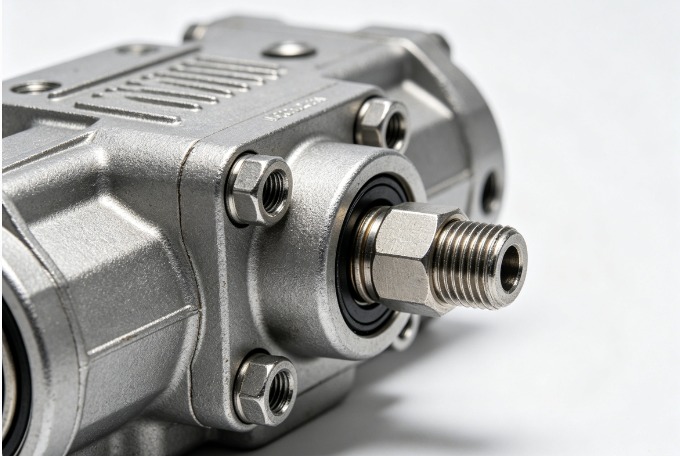
Immediate Dangers of Torn Wheel Cylinder Dust Boots
Torn wheel cylinder dust boots pose significant risks to the vehicle’s hydraulic integrity and overall stopping power. Once the seal is breached, moisture ingress promotes internal corrosion and oxidation of the metal components. This chemical degradation can cause the piston to seize or stick, resulting in uneven braking force or a complete “soft pedal” condition. According to industry safety standards, any compromise in the hydraulic sealing system is classified as a critical defect that requires immediate attention.
Risk Comparison: Intact vs. Damaged Dust Boots
| Feature | Intact Dust Boot | Torn/Damaged Dust Boot |
|---|---|---|
| Contaminant Protection | High (Excludes 99% of debris) | Low (Direct path for grime/water) |
| Internal Cylinder Life | Extended (Meets OEM lifecycle) | Significantly Reduced (Rapid wear) |
| Fluid Leak Risk | Minimal | High (Piston seal damage likely) |
| Braking Performance | Consistent and balanced | Potential for dragging or seizing |
Consequences of Neglecting Replacement
Neglecting a damaged dust boot often leads to the total failure of the wheel cylinder assembly. As abrasive particles bypass the torn rubber, they act as a grinding paste between the piston and the rubber cup seal. This friction destroys the primary seal, causing brake fluid to leak onto the brake linings. Contaminated linings lose their coefficient of friction, leading to a dangerous reduction in braking torque. For heavy-duty applications, sourcing high-quality Brake Pads and cylinders from a reliable manufacturer is essential to mitigate these cascading failures.
Emergency Replacement and Inspection Criteria
Emergency replacement of wheel cylinder dust boots is necessary when inspection reveals deep cracks, tears, or saturation with oil. Fleet technicians should evaluate the extent of the damage to determine if a simple boot replacement is sufficient or if the entire Brake Master Cylinder and wheel unit must be overhauled. If fluid is found weeping from behind the boot, the internal seals are already compromised, and the entire unit must be replaced to ensure roadworthiness.
Inspection Checklist for Fleet Maintenance
- Visual Check: Inspect for any visible punctures, dry rot, or heat-induced hardening of the rubber.
- Tactile Assessment: Feel the boot for flexibility; brittle rubber indicates imminent failure.
- Fluid Check: Pull back the edge of the boot slightly to check for the presence of hydraulic fluid.
- Hardware Inspection: Ensure the Automatic Slack Adjuster is operating correctly to prevent over-extension of the wheel cylinder.
Step-by-Step Emergency Replacement Guide
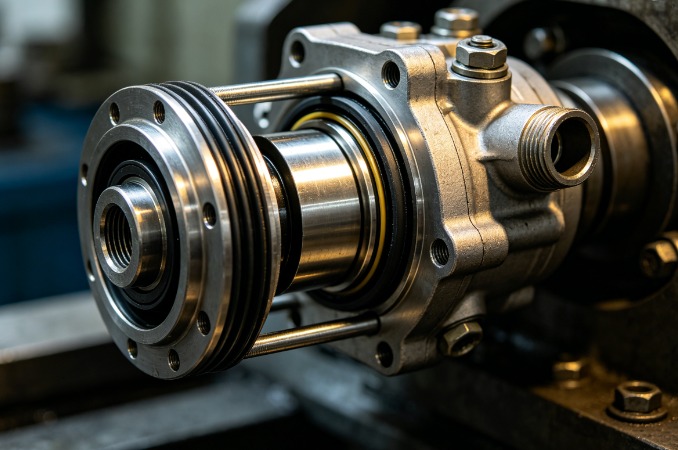
The process of replacing a dust boot in an emergency requires precision to avoid introducing further contaminants into the system. First, the vehicle must be secured and the wheel assembly removed to access the drum brake hardware. After cleaning the exterior of the cylinder, the old boot is carefully pried off without scratching the piston. A new, high-specification boot is then seated firmly into the cylinder grooves. For professional repairs, using components from a dedicated “China auto parts manufacturer, supplier, and factory” ensures compatibility with international commercial vehicle standards.
Required Tools and Components
- Replacement Wheel Cylinder Dust Boot (matched to OEM specs).
- High-quality brake cleaner (non-chlorinated).
- Silicone-based assembly lubricant.
- Small pick tool or flat-head screwdriver.
Mechanical Impact on Related Braking Components
A failure in the wheel cylinder environment often places additional stress on other parts of the air and hydraulic system. For example, if a wheel cylinder seizes due to dirt ingress, the Brake Chamber may experience higher resistance, leading to accelerated wear of the linkage. Ensuring that all components, including the Solenoid Valve and actuators, are functioning in harmony is vital for heavy-duty B2B service providers. Systematic maintenance reduces the total cost of ownership for commercial trailers and trucks.
Material Standards and Longevity
The longevity of a dust boot is determined by the quality of the EPDM (Ethylene Propylene Diene Monomer) rubber used in its construction. High-grade EPDM offers superior resistance to heat, ozone, and brake fluid, ensuring the boot remains flexible under extreme operating temperatures. Industry data suggests that premium-grade seals can last up to 40% longer in harsh road salt environments compared to generic alternatives. Sourcing parts from reputable suppliers who adhere to ISO/TS 16949 standards is the most effective way to ensure component reliability.
Material Performance Analysis
| Property | Premium EPDM | Standard Rubber |
|---|---|---|
| Heat Resistance | Up to 150°C | Up to 100°C |
| Chemical Stability | Excellent (Brake fluid resistant) | Fair (May swell or soften) |
| Ozone Resistance | High (Prevents dry rot) | Moderate (Prone to cracking) |
| Flexibility at -40°C | Remains pliable | Becomes brittle |
Conclusion: Prioritizing Brake System Integrity
Maintaining wheel cylinder dust boots is a low-cost preventive measure that avoids expensive repairs and dangerous road incidents. For commercial vehicle operators, the focus must remain on early detection and the use of professional-grade replacement parts. By adhering to rigorous inspection schedules and choosing reliable manufacturing partners, fleets can maintain optimal safety standards across their heavy-duty assets.
According to the Commercial Vehicle Safety Alliance (CVSA), brake-related violations remain the leading cause of out-of-service orders during roadside inspections in 2024. Furthermore, the National Highway Traffic Safety Administration (NHTSA) emphasizes that hydraulic integrity is paramount for heavy vehicle control. Leading organizations like the Society of Automotive Engineers (SAE International) provide the technical benchmarks used by factories to ensure these small rubber components meet the demands of modern logistics.
Frequently Asked Questions (FAQ)
Q1: How often should wheel cylinder dust boots be inspected in a commercial fleet?
Commercial vehicle dust boots should undergo a visual inspection during every scheduled brake service or every 25,000 miles. Given the harsh conditions of heavy-duty transport, more frequent checks are recommended for vehicles operating in coastal or high-salt environments to prevent premature rubber degradation.
Q2: Can I use universal dust boots for emergency truck repairs?
Universal boots are generally discouraged for commercial vehicles due to specific pressure and fitment requirements. It is critical to use boots that match the exact specifications of the wheel cylinder manufacturer to ensure a moisture-tight seal and prevent the piston from becoming exposed during operation.
Q3: What is the most common cause of premature dust boot failure?
The primary causes of failure include exposure to petroleum-based lubricants (which swell the rubber), extreme thermal cycling from heavy braking, and physical damage from road debris. Using only approved silicone-based assembly lubricants during installation is essential for maintaining the chemical integrity of the EPDM material.
Q4: Will a torn dust boot cause an immediate loss of braking power?
A torn boot does not cause an immediate hydraulic leak, but it initiates a process of internal contamination. Over time, the resulting cylinder scoring and seal wear will lead to fluid loss and a significant reduction in braking pressure, eventually resulting in a dangerous brake failure.
Q5: Is it better to replace the boot or the entire wheel cylinder?
If the inspection reveals any fluid dampness or internal corrosion, the entire wheel cylinder must be replaced. A boot replacement is only an effective emergency measure if the internal bore and piston remain in pristine, polished condition without any evidence of hydraulic fluid bypass.
Post time: May-19-2026