

The clutch slave cylinder is a critical hydraulic component that facilitates gear disengagement in commercial vehicles, and identifying early clutch slave cylinder wear is essential for preventing unexpected roadside failures. This guide provides technical insights into diagnosing hydraulic degradation, ensuring fleet managers and technicians can maintain vehicle uptime through proactive maintenance.
Understanding the Role of the Clutch Slave Cylinder in Heavy-Duty Vehicles
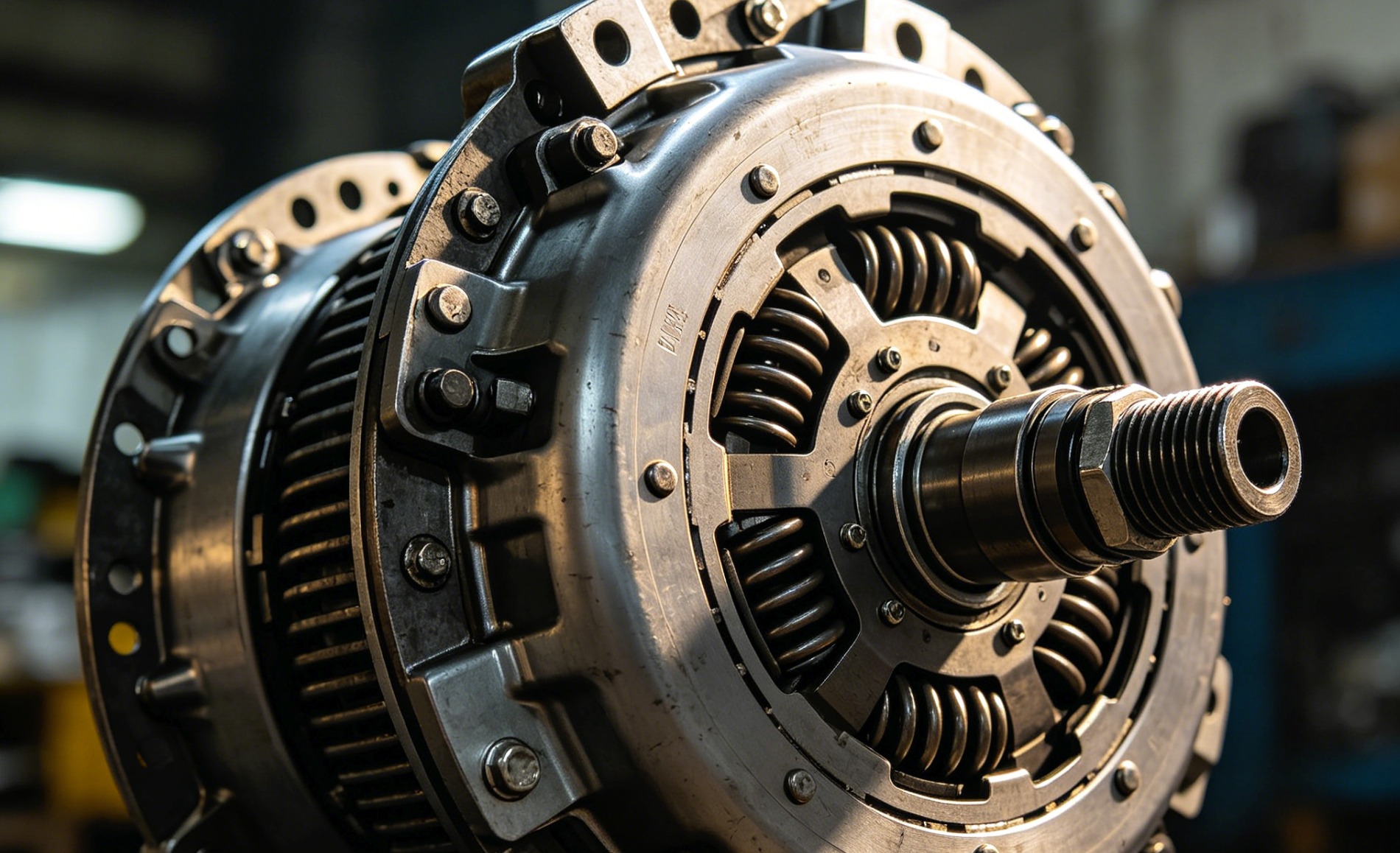
A clutch slave cylinder acts as the secondary hydraulic actuator that receives pressure from the master cylinder to move the release bearing. In the context of heavy-duty trucks and buses, this component must withstand significant thermal cycles and high mechanical pressure. Understanding the fundamental mechanics is the first step in recognizing when the part begins to deviate from standard operational parameters.
Reliable hydraulic performance depends on the integrity of internal seals and the piston bore finish. Most commercial vehicle systems utilize a Clutch Slave Cylinder designed to handle high-torque applications found in medium and heavy trucks. When these internal elements degrade, the driver loses the ability to shift gears cleanly, leading to syncromesh damage and transmission strain.
Early Warning Signs of Hydraulic Failure
Soft or “spongy” pedal feel is the most frequent early indicator of air intrusion or internal seal bypass within the hydraulic circuit. When the internal cup seals of the slave cylinder begin to harden or score, fluid bypasses the piston, resulting in a loss of effective stroke. This prevents the clutch from fully disengaging, which manifests as difficulty shifting into first or reverse gears while stationary.
Visual inspections often reveal slow-onset leaks around the dust boot or the mounting flange of the unit. While a catastrophic leak results in immediate pedal loss, a “weeping” cylinder can function for several weeks before failing. Technicians should monitor fluid levels in the reservoir; a consistent drop without visible external puddles often suggests an internal leak within the Air Brake Master Cylinder or the slave unit itself.
Technical Comparison: Internal vs. External Wear Symptoms
Distinguishing between internal hydraulic bypass and external fluid loss is vital for accurate troubleshooting. Internal wear involves fluid moving past seals without leaving the system, whereas external wear results in environmental contamination and rapid pressure loss.
| Symptom Category | Internal Seal Wear | External Housing Leak | Mechanical Piston Binding |
|---|---|---|---|
| Pedal Response | Spongy or sinks to floor slowly | Initial resistance followed by total loss | Intermittent sticking or high effort |
| Fluid Level | Remains constant or drops slightly | Rapid depletion of reservoir | Usually remains constant |
| Gear Engagement | Grinding in low gears | Total inability to shift | Harsh engagement/shudder |
| Visual Evidence | None (Internal bypass) | Wetness on bell housing/chassis | Scoring on the piston rod |
The Impact of Fluid Contamination on Component Longevity
Dark or cloudy hydraulic fluid indicates that the rubber seals inside the slave cylinder are disintegrating or that moisture has entered the system. According to the Car Care Council, brake and clutch fluid are hygroscopic, meaning they absorb water over time, which lowers the boiling point and causes internal corrosion. In heavy trucks, this moisture leads to pitting in the slave cylinder bore, which rapidly accelerates seal wear.
Regular fluid flushes are the primary defense against premature Brake Valve and hydraulic cylinder failure. If the fluid appears black, it contains microscopic rubber particles from the hoses or slave cylinder seals. Replacing the slave cylinder without flushing the entire line often leads to “infant mortality” of the new part, as residual contaminants damage the new seals immediately upon installation.
Diagnostic Procedures for Fleet Maintenance
The “static pressure test” is a reliable method for professional technicians to verify slave cylinder integrity without specialized electronic tools. By depressing the clutch pedal halfway and holding it for 60 seconds, a technician can feel if the pedal slowly creeps toward the floor. If the pedal moves while pressure is maintained, the internal seals are failing to hold the hydraulic load.
Another diagnostic step involves inspecting the slave cylinder’s pushrod travel. In many heavy-duty applications using an Air Power Booster, the stroke of the slave cylinder must meet specific manufacturer millimetric requirements. Short-stroking indicates that the hydraulic system is not displacing enough volume, usually due to air bubbles or a compromised master cylinder primary cup.
Proactive Replacement: When to Opt for New vs. Repair
Deciding between a seal kit and a complete unit replacement depends on the condition of the cylinder’s internal bore. While seal kits are cost-effective, they cannot compensate for a bore that has been pitted by corrosion or scored by debris. In the commercial aftermarket, installing a high-quality Clutch Booster or slave cylinder assembly is generally preferred to ensure long-term reliability and reduce labor “comebacks.”
Selection Criteria for Replacement Components
Selecting the correct slave cylinder requires matching the bore size, stroke length, and mounting orientation to the specific vehicle application. Using an undersized cylinder will result in insufficient clutch release, while an oversized unit may cause excessive pedal effort or over-travel of the pressure plate.
| Feature | OEM Specification Requirement | Impact of Non-Compliance |
|---|---|---|
| Bore Diameter | Precise match (e.g., 25.4mm) | Altered pedal ratio and force |
| Seal Material | EPDM or High-Temp Viton | Premature swelling or melting |
| Casting Material | Ductile Iron or Aluminum Alloy | Cracking under high-pressure cycles |
| Dust Boot Integrity | Multi-lip bellows | Contamination of the piston surface |
Environmental and Operational Factors Accelerating Wear
High-frequency shifting in urban delivery cycles significantly shortens the lifespan of hydraulic actuators compared to long-haul highway operations. Vehicles operating in coastal or high-humidity regions are more susceptible to internal corrosion due to moisture ingress through the reservoir breather. Furthermore, excessive engine heat can bake the slave cylinder seals, especially if the heat shielding has been removed or damaged during previous repairs.
Fleet operators should refer to the Technology & Maintenance Council (TMC) for recommended practices regarding hydraulic system intervals. Adhering to these standards ensures that the Spring Brake Chamber and clutch hydraulics are serviced before they reach the point of critical failure. Proactive replacement at 300,000 miles is a common benchmark for many heavy-duty line-haul applications.
Integration with Air-Assisted Systems
Many modern heavy trucks utilize air-over-hydraulic systems where the slave cylinder works in tandem with a pneumatic booster. In these configurations, a failure in the air system can mimic a slave cylinder fault. It is essential to verify that the air pressure reaching the booster is within the 7.0 to 8.5 bar range before condemning the hydraulic slave cylinder. A faulty air seal can lead to “heavy pedal” complaints even if the hydraulic slave cylinder is technically functional.
Conclusion: Maintaining the Hydraulic Chain
Effective maintenance of the clutch system requires a holistic view of the hydraulic and pneumatic circuits. By identifying the subtle signs of clutch slave cylinder wear—such as fluid discoloration, spongy pedal feel, and minor weeping—operators can schedule repairs during planned downtime. Utilizing high-quality replacement parts from established manufacturers ensures that the vehicle remains productive and safe on the road.
Frequently Asked Questions
1. Can I drive a truck with a leaking clutch slave cylinder?
Operating a vehicle with a leaking slave cylinder is highly discouraged because hydraulic pressure can fail completely without warning. Once the fluid level drops below the intake port, the clutch will no longer disengage, leaving the vehicle stuck in gear and creating a significant safety risk during stops.
2. Why does my clutch pedal stay on the floor in cold weather?
Cold temperatures cause worn rubber seals to contract and harden, allowing air to bypass the seal or fluid to leak internally. If the pedal stays down when cold but returns to normal after the engine warms up, the slave cylinder seals have likely lost their elasticity and require replacement.
3. Is it necessary to replace the master cylinder when the slave cylinder fails?
While not strictly mandatory, it is a best practice because both cylinders share the same fluid and operating cycles. Contaminants from a failing slave cylinder often migrate to the master cylinder, and the new slave cylinder’s increased pressure efficiency can quickly overwhelm the older seals in a worn master cylinder.
4. How do I know if there is air in my clutch hydraulic system?
Air in the system is characterized by a pedal that feels “soft” for the first half of its travel and only engages the clutch near the very bottom. Unlike a mechanical failure, air-related issues can often be temporarily improved by “pumping” the pedal rapidly to build momentary pressure.
5. What is the average lifespan of a commercial vehicle slave cylinder?
In typical long-haul applications, a high-quality slave cylinder should last between 250,000 and 400,000 miles. However, this lifespan is significantly reduced by poor fluid maintenance, extreme heat, or high-stop-count urban driving, which increases the total number of cycles performed by the piston and seals.
Post time: May-21-2026