

This comprehensive technical guide provides a detailed Iveco & MAN commercial vehicle clutch master cylinder cross reference to assist fleet managers and parts distributors in identifying compatible hydraulic components for heavy-duty transmission systems. By understanding the interchangeability between European OEM specifications and high-quality aftermarket alternatives, maintenance professionals can ensure optimal vehicle uptime and braking system reliability.

The Role of Clutch Master Cylinders in Heavy-Duty Transmissions
A clutch master cylinder serves as the primary hydraulic command center in a manual or automated manual transmission (AMT) system. It converts the mechanical pressure from the driver’s foot into hydraulic pressure, which is then transmitted to the clutch slave cylinder to disengage the engine from the gearbox. In commercial vehicles like the Iveco Stralis or MAN TGS, these components must withstand extreme pressure cycles and temperature fluctuations.
Precision manufacturing is critical for these parts to prevent internal fluid bypass, which often leads to “soft pedal” symptoms. For global sourcing, identifying a reliable China auto parts manufacturer is a common strategy for obtaining components that meet or exceed ISO/TS 16949 standards while maintaining cost-efficiency in the secondary market.
Understanding OEM Part Numbering Systems for Iveco and MAN
Iveco and MAN utilize distinct alphanumeric systems for their genuine parts. Iveco typically uses 7 to 10-digit numeric codes (e.g., 504046241), while MAN parts often follow a XX.XXXXX-XXXX format (e.g., 81.30725.6053). Cross-referencing requires mapping these specific numbers to universal industry standards like TecDoc or VMRS codes.
When sourcing from a truck parts supplier, it is essential to verify the bore diameter and thread pitch of the hydraulic ports. Even if a cylinder looks identical externally, a slight variation in the internal piston diameter can significantly alter the pedal feel and clutch release timing, potentially leading to premature synchronized gear wear.
Technical Specification Comparison: Iveco vs. MAN
While both brands utilize hydraulic systems provided by Tier-1 suppliers like ZF or Wabco, the mounting configurations and port orientations differ. Iveco master cylinders often feature plastic reservoirs integrated directly into the body, whereas MAN designs frequently utilize remote reservoirs connected via high-pressure hoses.
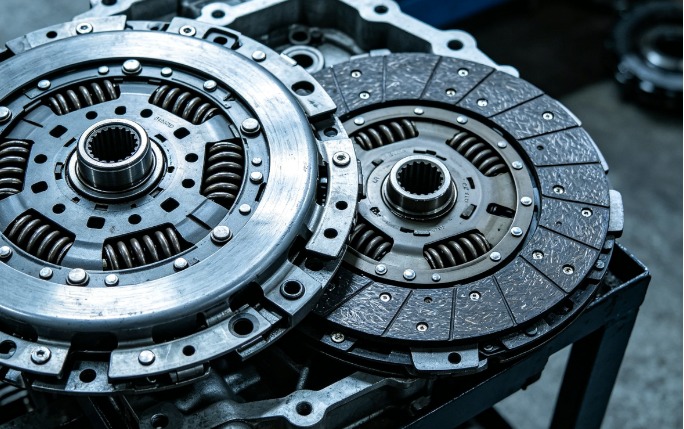
The following table outlines the typical technical parameters found in popular models:
| Feature | Iveco Stralis/EuroCargo | MAN TGA/TGX/TGS |
|---|---|---|
| Common Bore Sizes | 19.05mm, 22.22mm | 23.81mm, 26.99mm |
| Body Material | Cast Iron or Reinforced Nylon | Cast Aluminum or Ductile Iron |
| Port Thread | M12x1 or M14x1.5 | M12x1.5 or Quick-Connect |
| Operating Fluid | DOT 4 or Mineral Oil | DOT 4 Brake Fluid |
| Standard Service Life | 300,000 – 500,000 KM | 400,000 – 600,000 KM |
Cross Reference Table for Popular Clutch Master Cylinders
Establishing a reliable cross-reference list is the foundation of efficient inventory management for European truck parts. For B2B buyers working with a clutch master cylinder factory, referencing the original equipment (OE) number against aftermarket identifiers ensures a 100% fitment rate.
| OEM Brand | OE Part Number | Major Aftermarket Cross-Reference | Application Focus |
|---|---|---|---|
| Iveco | 504010121 | KG22040.1.1 (FAG), 21223 (Febi) | Iveco Trakker / Stralis |
| Iveco | 98416629 | 01.30.076 (Trucktec), 505-010 | Iveco EuroCargo |
| MAN | 81.30725.6062 | 6284 000 033 (Sachs), 3.32014 | MAN TGA / TGS / TGX |
| MAN | 81.30725.6095 | 1222471 (KNORR), 020.245 | MAN F2000 / L2000 |
Signs of Clutch Master Cylinder Failure in Commercial Fleets
Early detection of hydraulic failure prevents roadside breakdowns and expensive towing fees. The most frequent indicator is fluid leakage at the pedal linkage, often caused by the degradation of the primary seal. In heavy-duty applications, heat soak from the engine bay can accelerate the hardening of EPDM rubber seals, leading to pressure loss.
If a driver reports difficulty shifting into first or reverse gear while stationary, the master cylinder is likely failing to move enough volume to fully disengage the clutch. Replacing the unit with components from a specialized commercial vehicle parts manufacturer ensures that the internal seals are compatible with modern synthetic hydraulic fluids used in cold-climate regions like Northern Europe and Canada.
Installation Best Practices for Hydraulic Clutch Components
Correct installation is as vital as the quality of the part itself. When replacing a clutch master cylinder, the entire hydraulic circuit must be flushed to remove contaminants. Microscopic metal shavings from a failing slave cylinder can migrate back into the new master cylinder, scoring the cylinder bore and causing immediate seal failure.
- Bench Bleeding: Pre-filling the cylinder with fluid before mounting to the firewall reduces the amount of air trapped in the system.
- Torque Specs: Ensure mounting bolts are torqued to manufacturer specifications to avoid stress-fracturing the flange, especially on composite bodies.
- Fluid Compatibility: Never mix mineral-based oils with glycol-based DOT fluids, as this will cause total seal swelling and system failure within hours.
Material Science in Modern Aftermarket Production
The shift from cast iron to lightweight aluminum and high-strength polymers has redefined the manufacturing of brake and clutch components. Aluminum bodies offer superior heat dissipation and weight reduction, which contributes to overall fuel efficiency in long-haul trucking. High-performance units often feature “mirror-finish” internal bores to reduce friction and extend seal life.
According to the European Association of Automotive Suppliers (CLEPA) , the trend toward electrification in commercial vehicles is also influencing hydraulic designs, leading to the development of e-actuators. However, for the existing internal combustion engine (ICE) fleet, mechanical-hydraulic master cylinders remain the industry standard for reliability and serviceability.
Sourcing Strategies for International Parts Distributors
Distributors must balance cost and quality when managing an Iveco & MAN commercial vehicle clutch master cylinder cross reference catalog. Sourcing directly from ISO-certified factories in China allows for customized branding and packaging while ensuring that the technical specs align with European standards.
It is advisable to verify the manufacturer’s testing protocols. Reputable suppliers perform 100% pressure testing and “end-of-line” leakage checks on every unit. Furthermore, referencing data from the Society of Automotive Engineers (SAE International) regarding hydraulic hose and fitting standards ensures that the master cylinder will interface perfectly with existing chassis lines.
Evaluating Supplier Credibility in the B2B Market
When selecting a long-term partner, the E-E-A-T (Experience, Expertise, Authoritativeness, Trustworthiness) of the manufacturer is paramount. A supplier with decades of experience in the “China Auto Parts” sector will have a deeper understanding of the metallurgical requirements for heavy-duty components.
Look for manufacturers that provide detailed CAD drawings and material certificates (e.g., DIN standards). Trust is built through transparency in the supply chain and the ability to provide rigorous testing data, such as salt spray tests for corrosion resistance on external metal surfaces.
Conclusion: Maintaining Systematic Interchangeability
Mastering the cross-reference between Iveco, MAN, and aftermarket brands allows for a more resilient supply chain. By utilizing the data provided in this guide, fleet operators can reduce their dependence on expensive OEM-only channels without sacrificing the safety or performance of their commercial vehicles. High-quality hydraulic components are the silent guardians of drivetrain longevity, and their selection should be treated with technical rigor.
Frequently Asked Questions
How do I confirm the cross-reference for an older Iveco EuroStar model?
To confirm fitment for older models, you should match the original 484 series OE number with the cylinder’s total length and pushrod stroke. Since older Iveco models often used specific casting designs, checking the mounting hole centers (measured in mm) against aftermarket technical drawings from a trusted truck parts factory is the most reliable method.
Can a MAN TGA clutch master cylinder be used on an Iveco Stralis?
Generally, no. Although both use hydraulic pressure, the mounting patterns and the mechanical connection to the pedal (clevis or ball-joint) differ between MAN and Iveco. Always use a brand-specific cross-reference to ensure the hydraulic volume displacement matches the requirements of the specific clutch pressure plate installed in the vehicle.
What are the risks of using a low-quality clutch master cylinder?
Low-quality cylinders often use inferior rubber compounds for seals, which can fail under the high-temperature conditions of a heavy-duty engine bay. A failure results in the inability to disengage the gears, which is a major safety hazard for heavy trucks and can cause significant damage to the transmission’s synchronized rings and gears.
Is it necessary to replace the clutch slave cylinder at the same time?
Industry experts and the Automotive Aftermarket Suppliers Association (AASA) recommend replacing both the master and slave cylinders simultaneously. Since both components share the same fluid and operate under the same number of cycles, the failure of one usually indicates that the other is nearing the end of its functional lifespan.
Does this cross-reference apply to right-hand drive (RHD) vehicles?
In most cases, yes, the hydraulic internals remain identical. However, the external casting or the orientation of the reservoir may differ for RHD configurations to clear steering column components. Always verify the “LHD/RHD” designation in the manufacturer’s catalog before finalizing a bulk purchase for international markets.
Post time: May-19-2026