

Choosing between manual and automatic slack adjusters is a critical decision for fleet maintenance managers and independent technicians focusing on commercial vehicle brake system repairs. This comprehensive guide compares the technical specifications, maintenance requirements, and safety implications of both components to help you determine the optimal replacement part for heavy-duty trucks, buses, and trailers.
Understanding the Role of Slack Adjusters in Braking Systems
A slack adjuster is a mechanical link between the brake chamber pushrod and the camshaft in S-cam brakes, designed to compensate for brake lining wear. By maintaining the correct clearance between the brake drum and the lining, these components ensure that the braking force remains consistent across all wheels. In the aftermarket sector, selecting high-quality brake system components is essential for restoring a vehicle to its original safety standards.
Manual slack adjusters require a technician to physically tighten the adjustment bolt to take up the “slack” created as brake pads wear down. Conversely, automatic slack adjusters (ASAs) feature an internal mechanism that adjusts the brake stroke automatically during normal operation. According to the Commercial Vehicle Safety Alliance (CVSA), improper brake adjustment remains one of the leading causes of out-of-service violations during roadside inspections.
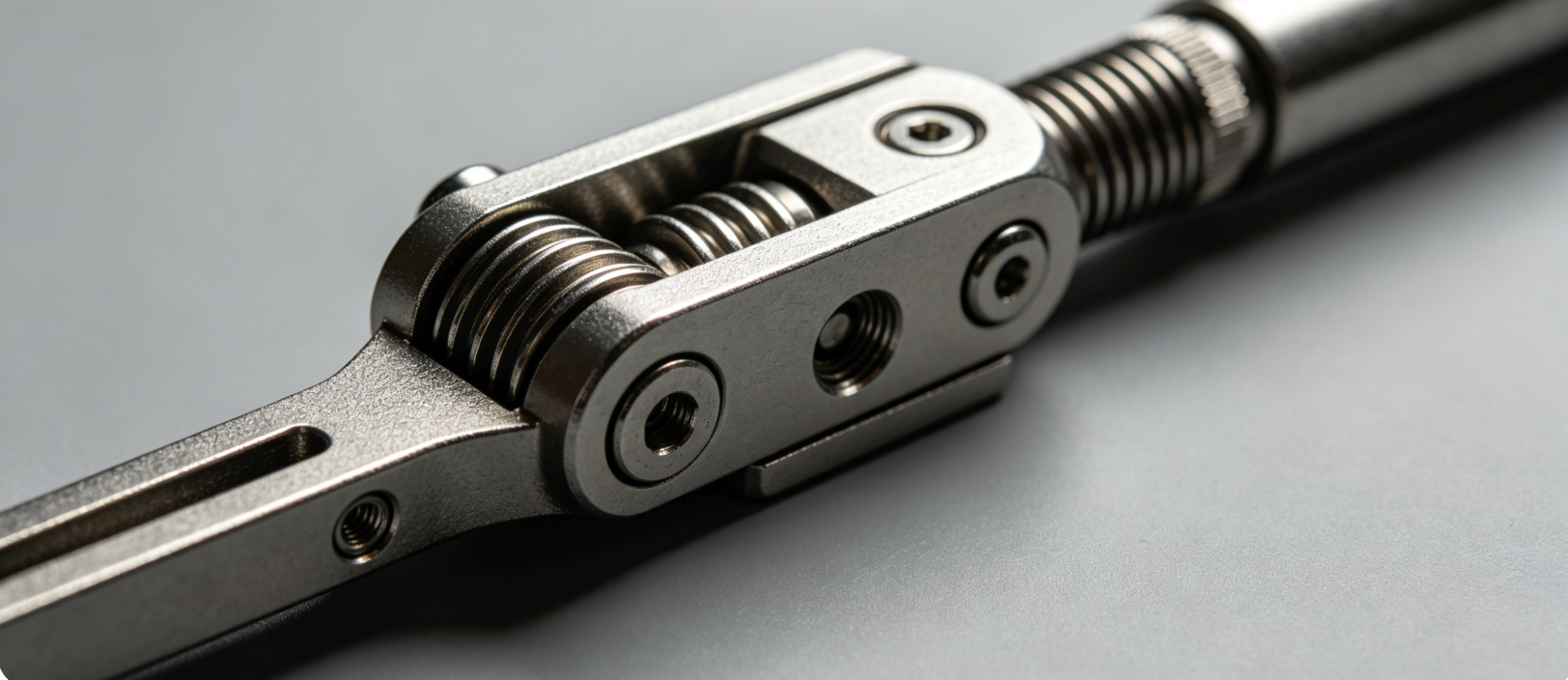
Technical Comparison: Manual vs. Automatic Slack Adjusters
The primary difference between manual and automatic slack adjusters lies in their operational complexity and their method of maintaining the pushrod stroke. Manual versions are simpler, consisting of a gear set that only moves when adjusted with a wrench. Automatic versions utilize either “stroke-sensing” or “clearance-sensing” technology to monitor the movement of the brake system and adjust the clearance incrementally.
| Feature | Manual Slack Adjuster | Automatic Slack Adjuster (ASA) |
|---|---|---|
| Adjustment Method | Manual intervention required | Self-adjusting during brake applications |
| Mechanical Complexity | Low (Internal gears and bolts) | High (Clutches, actuators, and springs) |
| Reliability | Highly predictable; fewer failure points | Subject to internal wear; requires lubrication |
| Initial Cost | Lower | Higher |
| Regulatory Status | Allowed for older vehicles/specific retrofits | Mandatory on US trucks built after 1994 |
When to Choose Manual Slack Adjusters for Repair
Manual slack adjusters are often preferred for specific aftermarket repairs where the vehicle was originally equipped with them and operates in environments where daily manual inspections are feasible. Because they lack complex internal clutches, manual adjusters are less susceptible to seizing in harsh, corrosive environments where road salt is prevalent. Technicians often find that a manual slack adjuster offers a robust, cost-effective solution for older trailers or specialized off-road equipment.
However, the use of manual adjusters requires a disciplined maintenance schedule. The National Highway Traffic Safety Administration (NHTSA) emphasizes that brakes must be checked daily to ensure the pushrod stroke does not exceed the legal limit. Failure to manually adjust these components results in “brake fade,” where the drum expands due to heat and the shoes cannot reach the surface, leading to a total loss of braking power.
The Advantages of Automatic Slack Adjusters in Modern Fleets
Automatic slack adjusters are the industry standard for modern commercial vehicles because they significantly reduce the labor time required for brake maintenance. By constantly maintaining the optimal clearance, ASAs ensure that the vehicle remains compliant with federal brake stroke limits without needing a technician to go under the chassis between scheduled service intervals. Installing a high-performance automatic slack adjuster can improve the overall safety rating of a fleet.
The “clearance-sensing” ASA is particularly effective because it measures the gap between the lining and the drum, rather than the total stroke of the pushrod. This prevents over-adjustment, which can occur if the brake drum is hot and expanded. Most modern air brake valve systems work in tandem with ASAs to provide balanced braking across all axles, reducing tire wear and extending the life of the brake linings.
Maintenance and Installation Considerations
The reliability of any slack adjuster is dependent on proper lubrication and installation. ASAs, in particular, are sensitive to the type of grease used; using the wrong lubricant can lead to internal clutch slippage. For repair shops, replacing a worn unit with a new brake camshaft and adjuster assembly is often more efficient than attempting to rebuild a seized component.
Comparison of Maintenance Requirements
| Task | Manual Slack Adjuster | Automatic Slack Adjuster |
|---|---|---|
| Lubrication Frequency | Every 10,000 – 25,000 miles | Every 25,000 – 50,000 miles (or every oil change) |
| Inspection | Daily/Pre-trip check of stroke | Every PM (Preventative Maintenance) cycle |
| Adjustment | Required when stroke exceeds limit | Prohibited unless during initial installation |
| Common Failure | Stripped threads/Rounded bolts | Seized internal clutch/Worn actuator |
Industry standards from the Society of Automotive Engineers (SAE) suggest that manual adjustment of an ASA to “fix” an out-of-adjustment brake is a temporary measure that usually indicates the adjuster has failed and needs replacement.
Cost-Benefit Analysis for Repair and Replacement
While the initial purchase price of an automatic slack adjuster is higher than a manual one, the total cost of ownership is generally lower for high-mileage commercial vehicles. The labor savings from eliminated manual adjustments quickly offset the higher part cost. For B2B buyers and wholesalers, sourcing from a reputable commercial vehicle parts supplier ensures that the replacement components meet international ISO standards for durability.
For older trailers or vehicles operating in extreme conditions with low annual mileage, manual adjusters may still be a viable economic choice. However, for any vehicle subject to DOT inspections, the safety and compliance benefits of ASAs are difficult to ignore. According to 2024 industry data, over 90% of new heavy-duty brake system repairs in North America utilize automatic adjusters to ensure consistent performance.
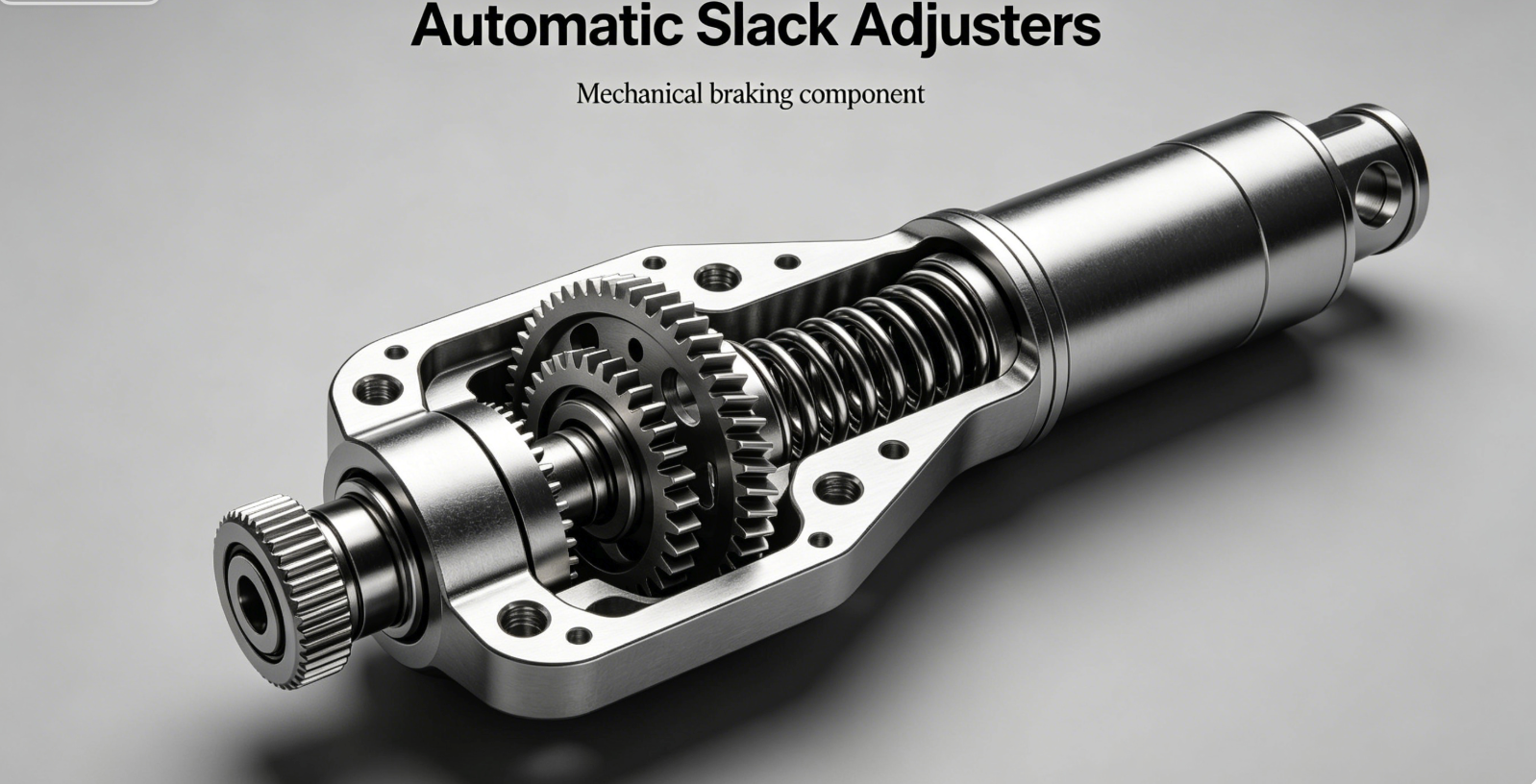
Selection Checklist for Brake Repair
When deciding which component to purchase for a repair, use the following checklist to ensure compatibility and safety:
- Original Equipment Specification: Does the vehicle’s vocational application require ASAs by law?
- Axle Type: Is the adjuster intended for a steer axle, drive axle, or trailer axle? (Spline counts vary).
- Operating Environment: Will the part be exposed to high heat or heavy corrosion?
- Maintenance Capability: Does the fleet have the personnel to perform daily manual adjustments?
- Brake Chamber Size: Is the adjuster rated for the torque produced by the specific brake chamber size (e.g., Type 30)?
Conclusion
The choice between manual and automatic slack adjusters depends on a balance of regulatory compliance, maintenance discipline, and budget. While manual adjusters offer simplicity and lower upfront costs, automatic slack adjusters provide superior safety and long-term labor savings. For professional repairs, always prioritize components that match the original vehicle configuration and meet stringent quality standards to ensure road safety.
Frequently Asked Questions (FAQ)
1. Can I replace an automatic slack adjuster with a manual one?
In many jurisdictions, it is illegal to replace an automatic slack adjuster with a manual one if the vehicle was originally manufactured with ASAs. Doing so can lead to immediate out-of-service violations during inspections and increases the risk of brake failure due to neglect.
2. Why should you never manually adjust an automatic slack adjuster?
Manually adjusting an ASA to correct an over-stroke condition is a sign of internal mechanical failure. If the ASA is not maintaining the stroke on its own, the internal clutch or gear mechanism is likely worn out, and the part should be replaced immediately to ensure safety.
3. How often should slack adjusters be lubricated?
For most commercial applications, slack adjusters should be greased every 25,000 to 50,000 miles or during every preventative maintenance service. Using a high-quality, lithium-based grease helps prevent internal corrosion and ensures the self-adjusting mechanism functions smoothly throughout the life of the brake lining.
4. What are the signs that a slack adjuster is failing?
Common symptoms include uneven brake wear, the vehicle pulling to one side during braking, or a visible “over-stroke” during inspection. For automatic models, if the pushrod travel increases over time without self-correction, the unit is considered defective and requires professional replacement.
5. Are manual slack adjusters still used in 2026?
Yes, manual slack adjusters are still utilized for specific applications, such as older vintage trucks, certain agricultural trailers, and specialized off-road machinery. However, their use in long-haul commercial transport has largely been phased out in favor of the more reliable and labor-efficient automatic designs.
Post time: May-12-2026