

A heavy truck clutch master cylinder leak is a critical hydraulic failure that compromises vehicle gear engagement and operational safety. This comprehensive technical guide analyzes the primary causes of cylinder seal degradation and provides a standardized, professional procedure for replacement and system bleeding in commercial vehicles.
The Role of the Clutch Master Cylinder in Heavy-Duty Systems
The clutch master cylinder serves as the primary hydraulic pressure generator in a manual transmission system. When the driver depresses the clutch pedal, the master cylinder converts mechanical energy into hydraulic pressure, which travels through high-pressure lines to the clutch slave cylinder or release bearing. In the commercial vehicle aftermarket, ensuring the integrity of this component is vital for minimizing downtime and preventing catastrophic transmission wear.
For fleet managers and technicians, identifying whether a failure originates in the master cylinder or the auxiliary components is the first step in effective maintenance. High-quality heavy truck brake valves and hydraulic components manufactured by specialized Chinese factories often incorporate reinforced seals to withstand the high-cycle demands of long-haul logistics.
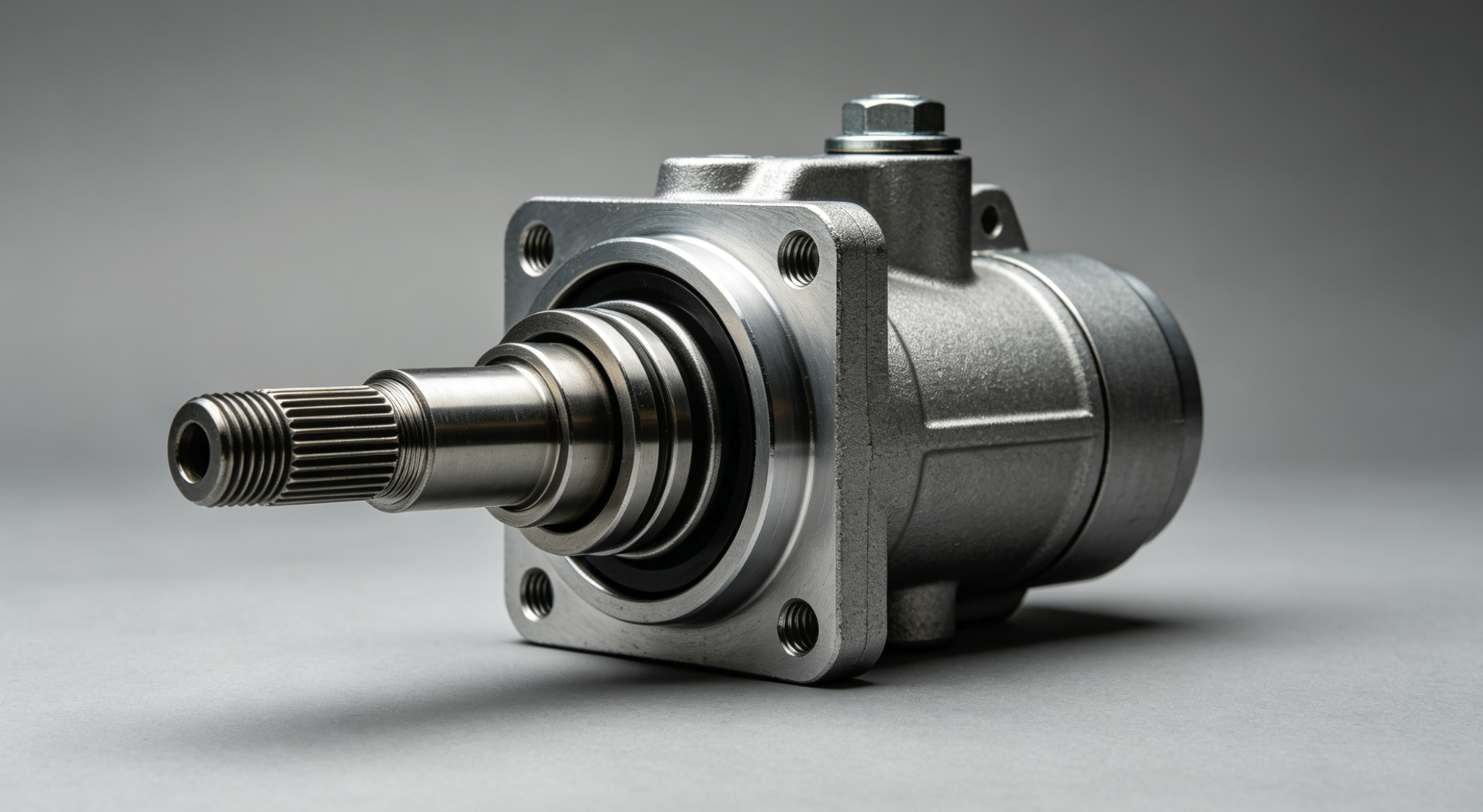
Primary Causes of Clutch Master Cylinder Leaks
Leakage typically occurs in two forms: external leaks, where fluid escapes the cylinder housing, and internal leaks, where fluid bypasses the internal piston seals. Identifying the root cause is essential for selecting the correct replacement parts from a reliable commercial vehicle parts supplier.
1. Seal Degradation and Contamination
The most common cause of failure is the wear of rubber elastomers (seals) inside the cylinder bore. Over time, hydraulic fluid absorbs moisture from the atmosphere—a process known as hygroscopy. According to Brake & Front End, moisture lowers the boiling point of the fluid and causes internal corrosion, which creates abrasive particles that tear the seals.
2. Mechanical Wear and Bore Pitting
In heavy-duty applications, the constant cycling of the clutch pedal leads to physical wear on the cylinder’s inner walls. If the master cylinder is made of cast iron or low-grade aluminum, pitting can occur. Once the bore surface is no longer smooth, the seals cannot maintain a vacuum or pressure, leading to a “spongy” pedal feel.
3. High-Pressure Stress and Vibration
Heavy trucks operate under extreme vibrational loads. These vibrations can loosen hydraulic fittings or cause stress cracks in the plastic reservoirs attached to the clutch master cylinder. Frequent inspections of the clutch booster and connecting lines are necessary to ensure vibration hasn’t compromised the sealing interfaces.
Technical Comparison: Cylinder Failure Symptoms
| Symptom | Probable Root Cause | Impact on Vehicle |
|---|---|---|
| Low Fluid Level | External leak at primary seal or reservoir | Total clutch failure if air enters the lines |
| Dark/Cloudy Fluid | Rubber seal disintegration or moisture | Accelerated wear of the clutch slave cylinder |
| Pedal Stays to Floor | Internal bypass or severe air ingestion | Inability to disengage gears safely |
| Grinding Noises | Insufficient stroke due to pressure loss | Synchronizer and gear tooth damage |
Step-by-Step Repair and Replacement Procedure
Replacing a master cylinder on a heavy truck requires precision to ensure the hydraulic circuit is free of air. Following a standardized protocol ensures the longevity of the new air brake system components and hydraulic linkages.
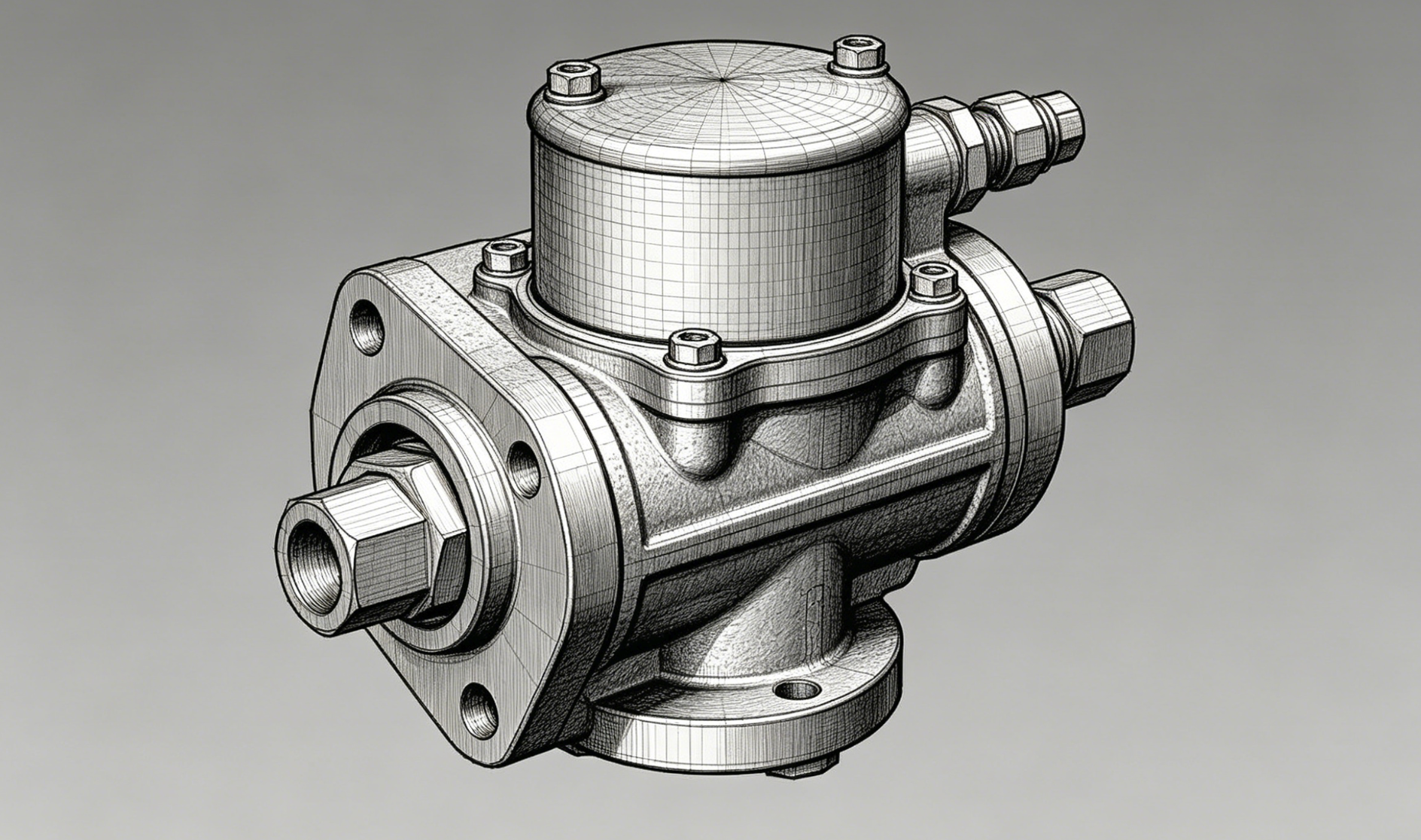
Step 1: Preparation and Fluid Drainage
Position the truck on a level surface and engage the parking brake. Locate the master cylinder, typically mounted on the firewall. Use a fluid syringe to remove as much old fluid as possible from the reservoir to prevent spilling caustic hydraulic fluid on painted surfaces.
Step 2: Disconnecting Linkages and Lines
Disconnect the pushrod from the clutch pedal arm by removing the clevis pin. Use a flare nut wrench to disconnect the high-pressure hydraulic line. It is vital to use the correct tools to avoid stripping the threads on the clutch master cylinder inlet.
Step 3: Removing the Failed Unit
Unbolt the mounting nuts securing the cylinder to the firewall. In some heavy-duty designs, the cylinder may be integrated with a bracket that also supports the brake master cylinder. Remove the unit carefully, ensuring no debris enters the open hydraulic lines.
Step 4: Bench Bleeding the New Cylinder
Before installation, “bench bleed” the new cylinder. This involves filling the reservoir and manually cycling the piston with a screwdriver while the ports are looped back into the reservoir. This prevents air from being trapped in the cylinder’s internal chambers, which is a common issue with large-bore truck brake valves.
Step 5: Installation and System Bleeding
Bolt the new unit into place and reconnect the hydraulic lines. The final step is a full system bleed. Standard procedure involves a “bottom-up” pressure bleed, where fluid is forced from the clutch slave cylinder up to the master cylinder to ensure all air bubbles are purged.
Criteria for Selecting Replacement Components
When sourcing parts from a China auto parts manufacturer, it is critical to evaluate the material specifications. Commercial vehicles require components that meet or exceed OEM standards for pressure rating and thermal stability.
Component Selection Checklist
- Bore Finish: Ensure the internal bore has a micro-finish to reduce seal friction.
- Material: Choose anodized aluminum or treated cast iron for corrosion resistance.
- Seal Material: EPDM (Ethylene Propylene Diene Monomer) is preferred for its compatibility with DOT 3 and DOT 4 fluids.
- Compatibility: Verify that the output pressure matches the requirements of your specific heavy truck air brake system.
Comparison of Master Cylinder Materials
| Material | Advantage | Disadvantage | Application |
|---|---|---|---|
| Cast Iron | High durability, low cost | Heavy, prone to internal rust | Older vocational trucks |
| Aluminum Alloy | Lightweight, corrosion resistant | Higher cost, heat sensitive | Modern long-haul tractors |
| Composite/Plastic | Non-corrosive, lightest | Lower pressure ceiling | Light-to-medium duty trucks |
Maintaining the Hydraulic Clutch System
Preventative maintenance is the most effective way to avoid unexpected leaks. Industry experts at SAE International suggest that hydraulic fluids in commercial vehicles should be tested for moisture content every 12 months.
Regularly greasing the pedal pivot points and inspecting the clutch booster for signs of air-over-hydraulic oil mixing can extend the life of the master cylinder significantly. If the truck operates in high-humidity environments, more frequent fluid flushes are recommended to protect the heavy truck brake valves and hydraulic seals.
For B2B buyers, partnering with a reliable China auto parts factory ensures access to a consistent supply of high-performance components. For a full range of commercial vehicle solutions, visit CNFJ Auto Parts to explore specialized braking and clutch system products designed for the global aftermarket.
Frequently Asked Questions (FAQ)
1. How often should heavy truck clutch fluid be replaced?
To prevent master cylinder leaks, hydraulic fluid should be flushed every 100,000 miles or two years. Moisture accumulation in the fluid causes internal corrosion of the cylinder bore and destroys the rubber seals, leading to pressure loss and gear shifting difficulties in commercial vehicles.
2. Can I replace just the seals instead of the whole master cylinder?
While seal kits exist, professional technicians usually recommend replacing the entire clutch master cylinder assembly. In heavy-duty trucks, the internal bore often develops microscopic pitting or wear patterns that new seals cannot bridge, leading to premature failure and increased labor costs.
3. What is the difference between an internal and external leak?
An external leak shows visible fluid on the firewall or floor mat, indicating a primary seal failure. An internal leak, or “bypassing,” occurs when fluid slips past the piston inside the bore. This results in a pedal that sinks to the floor without visible fluid loss.
4. Why does my clutch pedal feel spongy after replacing the master cylinder?
A spongy pedal is a classic symptom of trapped air within the hydraulic lines. Heavy truck systems often require pressure bleeding or vacuum bleeding from the clutch slave cylinder upward to ensure all air pockets are removed from the complex routing of the chassis.
5. How do I choose the right master cylinder for a Chinese-branded truck?
You should match the OEM part number and check the bore diameter specifically. When sourcing from a China auto parts supplier, ensure the component is rated for your vehicle’s Gross Vehicle Weight Rating (GVWR) and is compatible with the existing clutch booster configuration.
Post time: May-22-2026