

Slack adjusters are mechanical links between the brake chamber pushrod and the camshaft in S-cam drum brake systems. Their primary function is to regulate the distance that the brake shoes must travel before contacting the brake drum, commonly referred to as “slack.” Proper adjustment ensures that the pushrod stroke remains within the legal limits defined by the Federal Motor Carrier Safety Administration (FMCSA). Data from the FMCSA 2023 Roadcheck Results indicate that brake system violations remain the leading cause of vehicle out-of-service (OOS) orders, accounting for 25.2% of all vehicle-related removals. Choosing between manual and automatic configurations directly impacts fleet safety ratings and maintenance overhead.
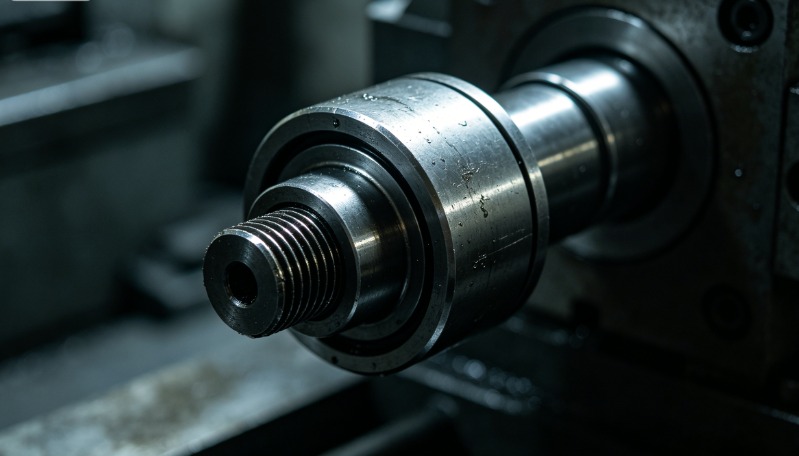
Technical Comparison: Manual vs. Automatic Slack Adjusters (ASA)
Manual slack adjusters require a technician or driver to physically rotate an adjustment bolt to take up the clearance caused by lining wear. In contrast, Automatic Slack Adjusters (ASA) are designed to adjust themselves during normal brake applications. According to the National Highway Traffic Safety Administration (NHTSA) Standard No. 121, all commercial vehicles manufactured after October 20, 1994, equipped with air brakes must feature automatic adjusters. While older trailers or specific off-road equipment may still utilize manual versions, the industry has shifted toward automation to mitigate human error in brake calibration.
Performance and Maintenance Metrics
| Feature | Manual Slack Adjuster | Automatic Slack Adjuster (ASA) |
|---|---|---|
| Adjustment Logic | Manual intervention required | Self-adjusting via stroke or clearance |
| Regulatory Status | Allowed on pre-1994 equipment | Mandatory for modern heavy-duty vehicles |
| Reliability | High (simple mechanical design) | Dependent on regular lubrication |
| Labor Cost | High (requires frequent inspection) | Lower (automated during operation) |
| Risk Factor | High (human error in adjustment) | Moderate (potential for internal seizure) |
The Mechanics of Manual Slack Adjusters in Legacy Fleets
A manual slack adjuster serves as a lever arm, converting the linear force of the brake chamber into torque on the camshaft. Fleet operators managing legacy equipment often retain manual adjusters due to their simplicity and lower initial component cost. However, maintaining these systems requires consistent monitoring of the pushrod stroke. Under CVSA (Commercial Vehicle Safety Alliance) inspection criteria, a 20-inch brake chamber has a maximum legal stroke limit of 1.75 inches. Manual units do not compensate for the rapid wear experienced during heavy-duty hauling or steep-grade descents, necessitating manual recalibration at every service interval to prevent “brake fade.”
Operational Benefits of Automatic Slack Adjusters (ASA)
Automatic Slack Adjusters (ASA) improve fleet safety by maintaining a consistent brake stroke without manual labor. These components utilize either “stroke-sensing” or “clearance-sensing” technology to detect excessive travel. When the brake is applied, the internal mechanism clicks to a new position if the clearance exceeds the set tolerance. Research by the University of Michigan Transportation Research Institute (UMTRI) highlights that ASAs significantly reduce the variance in braking force across different wheel ends. For fleets looking to replace aging components, high-quality slack adjusters provide the precision needed to satisfy modern safety electronic logging and inspection protocols.
Comparative Cost Analysis for Fleet Managers
While the purchase price of an ASA is typically 30% to 50% higher than a manual unit, the Total Cost of Ownership (TCO) favors automation. A study by the Technology & Maintenance Council (TMC) suggests that manual brake adjustments take approximately 15 to 20 minutes per vehicle. For a fleet of 50 trucks, this translates to significant labor hours over a fiscal year. Furthermore, the risk of a single Out-of-Service (OOS) violation can cost a fleet upwards of 800to1,500 in fines and lost productivity. Investing in reliable brake system components minimizes these hidden costs by ensuring the vehicle remains compliant between scheduled preventative maintenance cycles.
Critical Maintenance Protocols for Automatic Systems
A common industry misconception is that Automatic Slack Adjusters are “set and forget” components. In reality, ASAs require specific lubrication intervals to prevent the internal clutching mechanism from seizing due to road salt and debris. Most manufacturers recommend using a high-quality lithium-base grease every 25,000 miles or every four months. NTSB safety recommendations emphasize that technicians should never “manually adjust” an ASA to fix an out-of-adjustment brake unless the unit is being replaced or the brake is being relined. Constant manual adjustment of an ASA can damage the internal gears and masks underlying mechanical issues.
Selection Criteria: Choosing the Right Adjuster for Your Application
Selecting the correct slack adjuster requires identifying the engine torque, axle weight rating, and the specific spline count of the camshaft. Most heavy-duty applications use a 10-spline or 28-spline configuration. For fleets operating in corrosive environments, such as North American winter corridors, selecting heavy-duty hardware with enhanced sealing is vital. The Society of Automotive Engineers (SAE) J1462 standard provides the testing benchmarks for slack adjuster durability. Fleet managers should prioritize units that meet or exceed these standards to ensure longevity under high-cycle braking conditions typical of urban delivery routes.
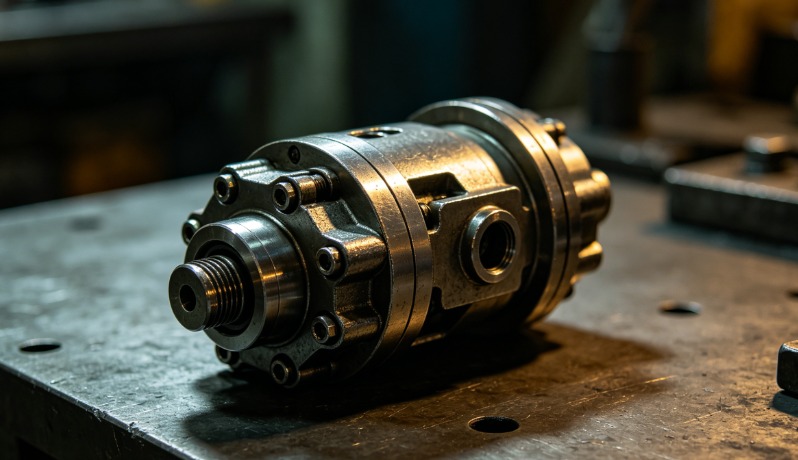
Environmental and Duty Cycle Considerations
The duty cycle of a vehicle heavily influences the wear rate of brake components. Vehicles involved in “Stop-and-Go” operations, such as refuse trucks or transit buses, generate higher thermal loads on the brake drums. This thermal expansion can cause “over-adjustment” in some older ASA designs. Modern precision-engineered parts are calibrated to account for drum expansion, ensuring that brakes do not drag when the system cools. Utilizing reflective safety equipment alongside robust mechanical parts further enhances vehicle visibility and safety during roadside inspections in low-light environments.
Integration with Electronic Braking Systems (EBS)
As the trucking industry moves toward Autonomous Emergency Braking (AEB) and Advanced Driver Assistance Systems (ADAS), the role of the slack adjuster becomes even more critical. These electronic systems rely on predictable mechanical responses to software commands. If a slack adjuster is worn or improperly calibrated, the lag time in brake engagement can compromise the effectiveness of collision avoidance algorithms. Ensuring that all truck and trailer parts are synchronized with the vehicle’s electronic infrastructure is a prerequisite for operating Tier 1 safety technology in 2026 and beyond.
Summary of Key Selection Factors
| Criterion | Manual Adjuster Recommendation | ASA Recommendation |
|---|---|---|
| Vehicle Age | Pre-1994 / Show Trucks | Post-1994 / Commercial Use |
| Fleet Size | Owner-Operator (high oversight) | Large Fleet (standardized maintenance) |
| Duty Cycle | Low-mileage / Occasional use | High-mileage / Heavy-duty |
| Safety Priority | Requires manual verification | Built-in compliance |
FAQ: Professional Insights on Slack Adjusters
What is the primary difference between manual and automatic slack adjusters?
The primary difference lies in the method of compensation for brake lining wear. Manual slack adjusters require a technician to manually turn an adjusting nut to restore proper pushrod travel. Automatic slack adjusters (ASA) perform this task mechanically during brake applications, ensuring the brake stroke remains within legal limits without manual intervention.
How do I determine if an automatic slack adjuster is failing?
An ASA failure is typically indicated by a consistent out-of-adjustment stroke despite the absence of other mechanical issues. If the pushrod travel exceeds CVSA limits and manual greasing does not restore function, the internal clutching mechanism may be worn. Technicians should use a stroke-checking tool to verify performance under 80-90 psi of air pressure.
Can manual slack adjusters be replaced with automatic ones?
Yes, manual slack adjusters can be retrofitted with automatic versions, provided the camshaft spline count and arm length match. This is a common upgrade for older trailers to improve safety and reduce maintenance time. It is essential to ensure the air brake system’s geometry remains compatible with the new ASA’s dimensions.
Why is manual adjustment of an automatic slack adjuster discouraged?
Manually adjusting an ASA is a temporary fix that often hides a larger problem, such as a failed adjuster or worn brake bushings. Repeated manual adjustment can wear out the internal one-way clutch, eventually leading to a complete loss of automatic adjustment capability. If an ASA is out of adjustment, it generally requires repair or replacement.
What are the specific lubrication requirements for slack adjusters?
Slack adjusters should be lubricated with high-pressure, multi-purpose lithium grease at every 25,000-mile interval or during every oil change. Proper lubrication involves pumping grease into the zerk fitting until clean grease exits from the camshaft end and the release hole. This prevents moisture ingress and internal corrosion of the gear set.
Post time: May-07-2026