

This Wabco vs Knorr Brake Chamber Replacement Compatibility Analysis examines the technical feasibility and safety implications of swapping air brake components between these two leading brands. Understanding the nuances of a Wabco vs Knorr brake chamber replacement is essential for fleet managers and technicians to ensure optimal braking performance and regulatory compliance during maintenance.
Understanding Brake Chamber Fundamentals and Design Philosophy
A brake chamber is a critical energy-conversion device in a commercial vehicle’s pneumatic system, transforming compressed air into the mechanical force required to actuate the foundation brakes. While both Wabco and Knorr-Bremse adhere to international standards such as DIN or SAE, their internal engineering often differs in terms of diaphragm material, return spring rates, and sealing technologies. A Wabco vs Knorr brake chamber replacement requires a precise match of the “Type” designation (e.g., Type 24/30 or Type 30/30) to maintain balanced braking across an axle.
Technical Compatibility: Can You Interchange Wabco and Knorr?
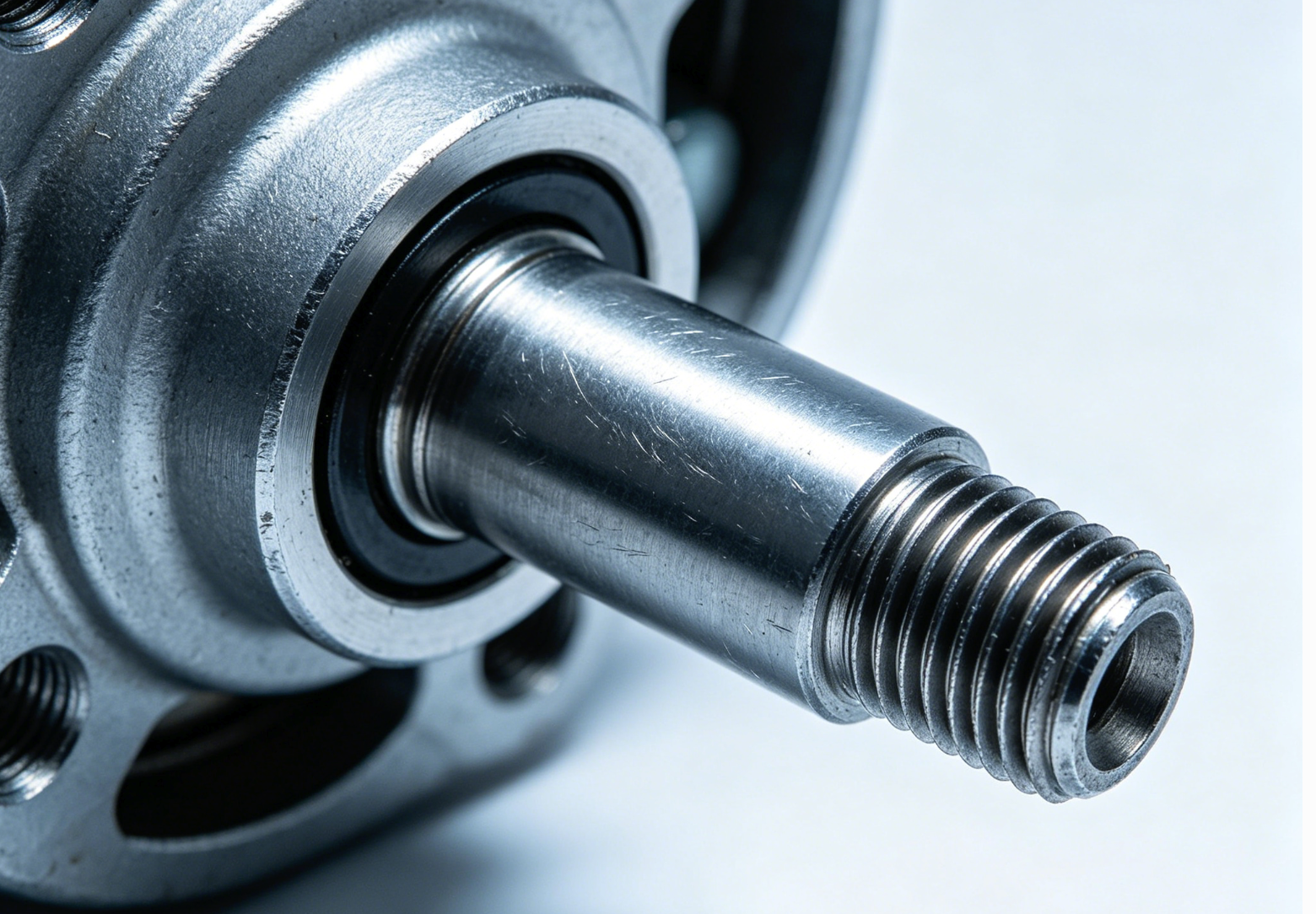
In the aftermarket industry, many truck brake chambers are designed as “universal fit” replacements, but direct brand-to-brand swapping between Wabco and Knorr requires verification of mounting dimensions. The Wabco vs Knorr brake chamber replacement compatibility generally hinges on three factors: the bolt pattern (typically 120.7mm), the pushrod length, and the air port threading (metric vs. imperial). If these physical attributes match, the units are often considered functionally equivalent for heavy-duty service.
Comparison of Key Technical Specifications
| Feature | Wabco Standard Series | Knorr-Bremse NG Series | Compatibility Verdict |
|---|---|---|---|
| Mounting Bolt Center | 120.7 mm (4.75 in) | 120.7 mm (4.75 in) | High |
| Air Port Thread | M16 x 1.5 / M22 x 1.5 | M16 x 1.5 / M22 x 1.5 | High |
| Pushrod Connection | Yoke / Clevis Type | Yoke / Clevis Type | High |
| Internal Volume | Optimized for fast release | Optimized for progressive feel | Moderate |
| Service Life | 1 million+ cycles | 1 million+ cycles | High |
Performance Variance in Emergency Braking Scenarios
A Wabco vs Knorr brake chamber replacement can lead to subtle variations in “brake feel” and response time due to different internal spring tensions. In a dual-circuit system, if one side of an axle uses a spring brake chamber from Wabco and the other from Knorr, a slight pneumatic imbalance may occur. According to industry estimates, while the force output might be identical at a specific PSI, the millisecond-level delay in air volume filling could theoretically lead to uneven tire wear or pull during emergency stops.
Critical Considerations for Replacement Parts
When selecting a brake chamber for trucks, technicians must prioritize the “Effective Area” (the “Type” number) over the brand name. The Wabco vs Knorr brake chamber replacement process is straightforward if the technician uses a high-quality aftermarket unit that meets OEM specifications for both brands. It is crucial to never mix different chamber types (e.g., a Type 24 with a Type 30) on the same axle, as this creates a dangerous braking force differential.
Installation Alignment and Slack Adjuster Interaction
The successful Wabco vs Knorr brake chamber replacement also depends on the integration with the automatic slack adjuster. Since the chamber pushrod drives the slack adjuster, any change in the stroke length or angle can compromise the automatic adjustment mechanism. High-quality truck brake parts are manufactured to ensure that the pushrod stroke remains consistent across different housing designs, preventing over-stroking or dragging brakes.
Selection Checklist for Compatibility
- Verify Type: Ensure both are Type 24, 30, or the appropriate combination (e.g., 30/30).
- Measure Stroke: Compare “Standard Stroke” vs. “Long Stroke” versions.
- Check Port Orientation: Ensure air line inlets are positioned correctly for your vehicle’s hose routing.
- Confirm Yoke Type: Check if the clevis pin diameter matches the existing brake caliper or drum hardware.
- Seal Quality: Look for units with heavy-duty epoxy coatings to prevent internal corrosion.
Cost-Benefit Analysis of Aftermarket vs. OEM
Many B2B buyers find that a Wabco vs Knorr brake chamber replacement using certified aftermarket components offers significant cost savings without sacrificing safety. While OEM units from Knorr or Wabco carry a premium price, independent brake chamber factories produce units that often exceed the rigorous standards set by the Commercial Vehicle Safety Alliance (CVSA) . Investing in mid-range, high-quality replacements is often the most cost-effective strategy for older fleets.
Environmental and Durability Factors
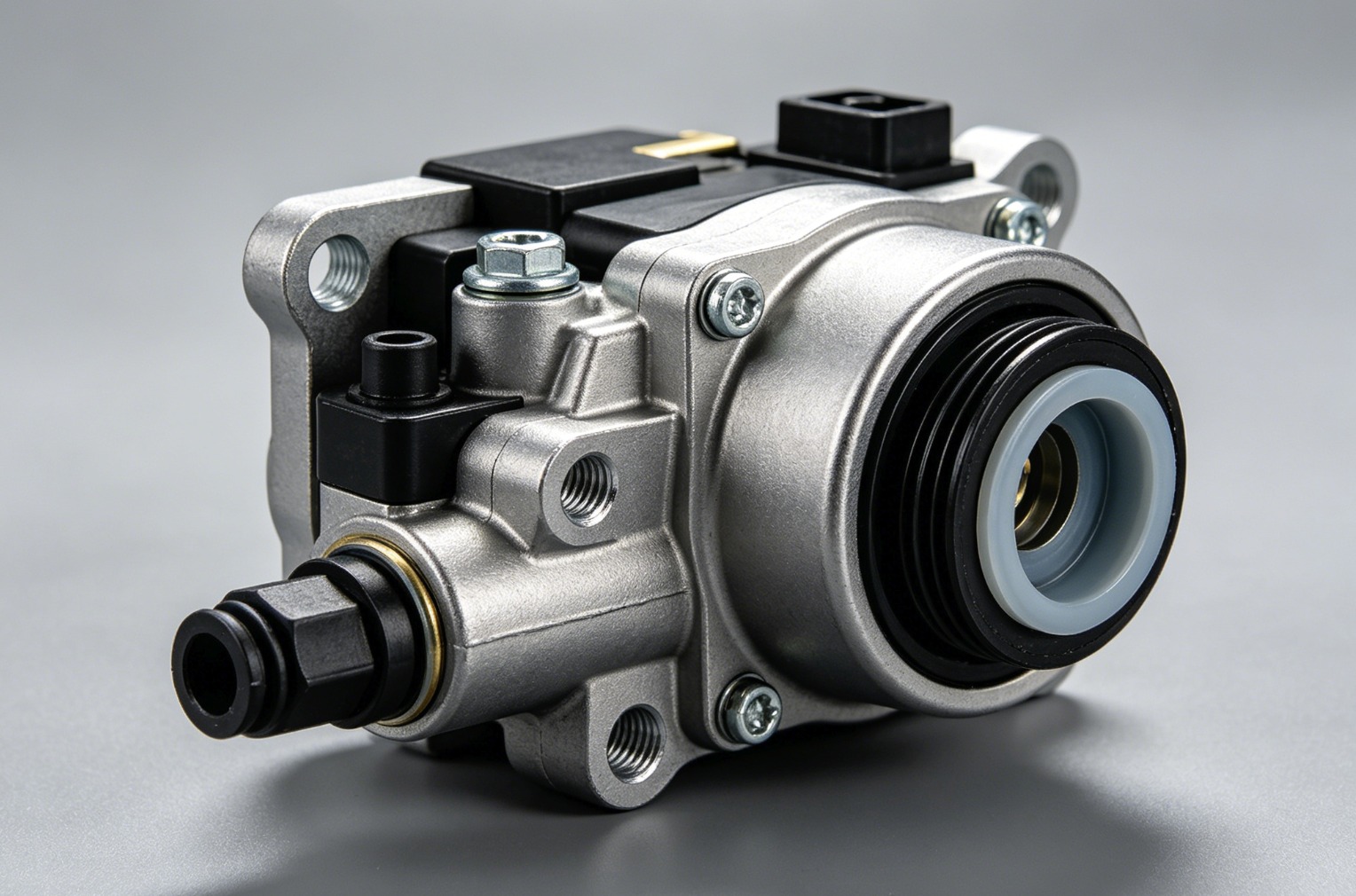
Environmental conditions such as road salt and humidity affect the longevity of these components. The Wabco vs Knorr brake chamber replacement frequency is largely determined by the quality of the external housing and the internal return spring coating. Knorr units are often cited for their robust NG (New Generation) sealing, while Wabco is praised for its lightweight aluminum designs. Users should choose replacements with superior corrosion resistance, such as those featuring stainless steel components or advanced powder coating.
Durability and Maintenance Analysis
| Analysis Metric | Wabco Series | Knorr NG Series | Aftermarket Premium |
|---|---|---|---|
| Corrosion Resistance | Excellent (Powder Coat) | Superior (Multi-layer) | Very Good (Epoxy) |
| Diaphragm Material | Natural Rubber/EPDM | Synthetic Blend | High-grade EPDM |
| Weight | Moderate | Lightweight | Varies by Model |
| Ease of Service | High (Modular) | High (Modular) | Moderate |
Best Practices for Fleet-Wide Interchangeability
For fleets managing a mix of vehicles, standardizing on a single high-quality aftermarket brake chamber model can simplify inventory and training. When performing a Wabco vs Knorr brake chamber replacement, documenting the change and ensuring the pushrod is cut to the exact OEM length is paramount. Standardizing components ensures that drivers experience a consistent pedal feel across different trucks in the fleet, enhancing overall road safety.
Conclusion: Balancing Brand and Functionality
Ultimately, the Wabco vs Knorr brake chamber replacement is technically viable and common in the global truck repair industry. As long as the physical dimensions, type ratings, and stroke lengths are identical, these components can be interchanged. For B2B distributors and repair shops, the focus should remain on sourcing truck brake system components from reputable manufacturers who provide comprehensive testing data and follow ISO quality management systems.
Frequently Asked Questions
Can I install a Wabco brake chamber on a Knorr-equipped axle?
Yes, you can install a Wabco chamber on an axle originally equipped with Knorr, provided the “Type” and “Stroke” ratings match exactly. For safety and performance balance, it is highly recommended to replace both chambers on the same axle at the same time to ensure uniform braking force.
What are the risks of using a “long stroke” chamber as a replacement for a “standard stroke”?
Using a long-stroke chamber where a standard-stroke is required can cause the brake system to fall out of adjustment parameters. This may lead to a “brake out of adjustment” violation during inspections or, in worst-case scenarios, insufficient braking force during high-temperature operations or emergency stops.
Do Wabco and Knorr use the same air port thread sizes?
Most modern European and North American commercial vehicles use standardized metric (M16 or M22) or NPT (imperial) threads. However, some older models may differ. Always verify the thread pitch and diameter before attempting a Wabco vs Knorr brake chamber replacement to prevent air leaks or damaged fittings.
How do I identify if a brake chamber is a Knorr or Wabco model?
Identification is typically found on the aluminum housing or the steel clamp band. Look for embossed logos, part numbers, or the “Type” designation. If the tag is missing, measure the diaphragm diameter and the stroke length to determine the functional specifications for a suitable replacement.
Is it necessary to replace the slack adjuster when replacing the brake chamber?
It is not strictly necessary to replace the automatic slack adjuster unless it shows signs of wear or failure. However, since the brake chamber must be removed anyway, technicians often inspect the slack adjuster’s gear teeth and lubrication to ensure the entire braking subsystem is in peak condition.
Post time: May-20-2026