

The Vehicle Slack Adjuster is a critical braking component in commercial vehicles, ensuring proper brake clearance and consistent stopping performance. This article analyzes 2026 trends, technology evolution, and sourcing strategies for fleet operators, distributors, and OEM buyers in the heavy-duty braking aftermarket.
What Is a Vehicle Slack Adjuster and Why It Matters in 2026
A Vehicle Slack Adjuster is a mechanical or automatic device that maintains optimal brake shoe-to-drum clearance in air brake systems. It directly affects braking efficiency, safety compliance, and maintenance cycles.
In 2026, stricter safety regulations and increasing fleet uptime requirements are driving demand for automatic slack adjusters (ASA) . According to the National Highway Traffic Safety Administration, improper brake adjustment remains a leading cause of heavy vehicle inspection failures.
Key Market Drivers Shaping Vehicle Slack Adjuster Demand
The global Vehicle Slack Adjuster market is expanding due to regulatory pressure and fleet digitization.
Core drivers include:
- Increasing enforcement of brake performance standards
- Growth in heavy-duty truck logistics (especially in Asia-Pacific)
- Transition from manual to automatic slack adjusters
- Demand for longer service intervals in aftermarket parts
According to the International Transport Forum, freight demand is expected to grow by over 30% by 2030, increasing wear-and-tear on braking systems.
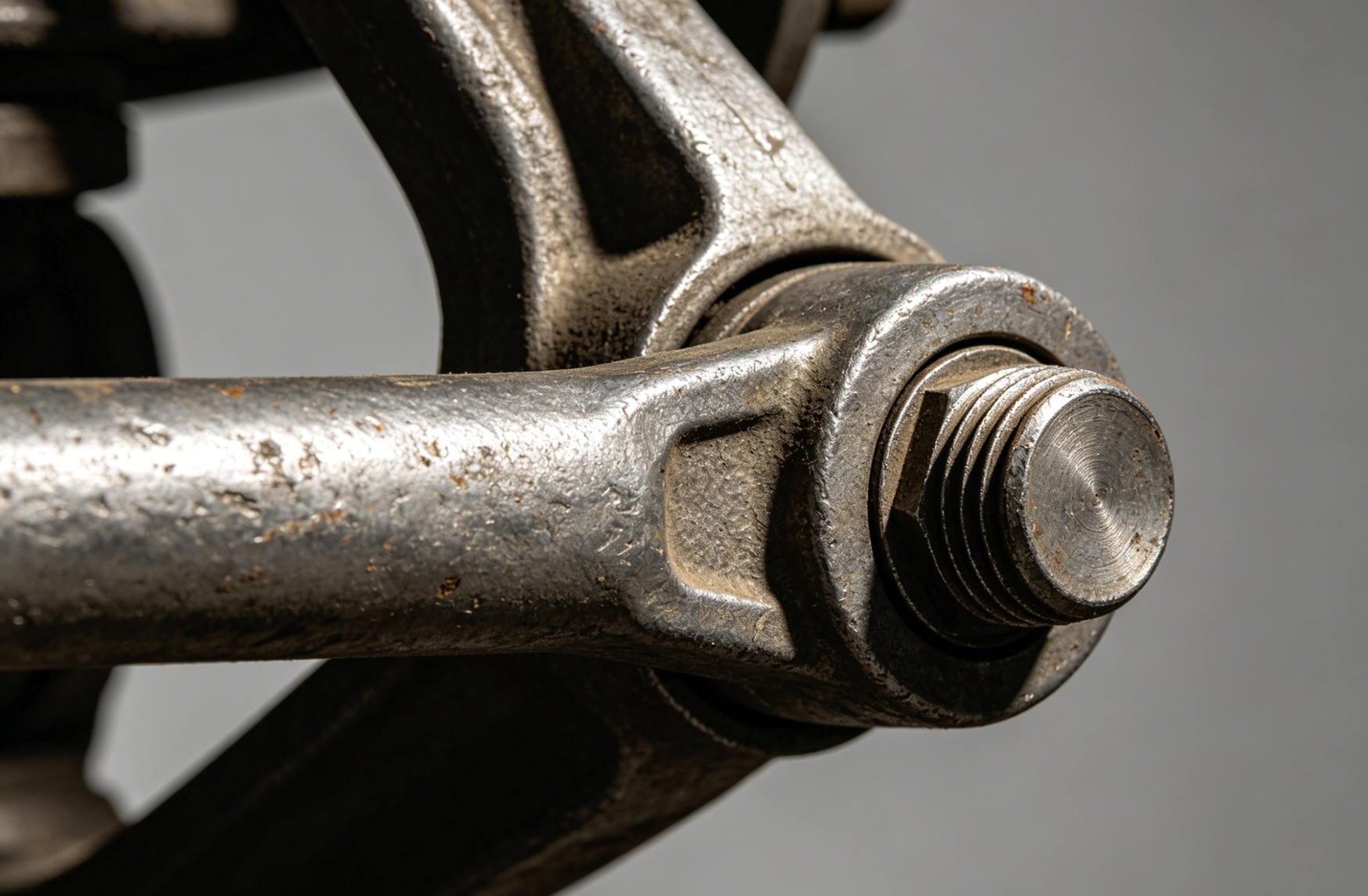
Types of Vehicle Slack Adjusters: Manual vs Automatic
The main distinction in Vehicle Slack Adjuster technology is between manual and automatic systems.
Comparison Table: Slack Adjuster Types
| Feature | Manual Slack Adjuster | Automatic Slack Adjuster (ASA) |
|---|---|---|
| Adjustment Method | Requires manual tuning | Self-adjusting |
| Maintenance Frequency | High | Low |
| Compliance Risk | Higher | Lower |
| Cost | Lower upfront | Higher upfront |
| Fleet Suitability | Small fleets | Large/commercial fleets |
Conclusion: Automatic slack adjusters dominate 2026 due to reduced downtime and compliance assurance.
Key long-tail keyword: automatic vs manual slack adjuster comparison
Core Components in Commercial Brake Systems
A Vehicle Slack Adjuster works within a broader braking ecosystem. Understanding related components helps buyers make informed decisions.
Typical Brake System Components
| Component | Function |
|---|---|
| Slack Adjuster | Maintains brake clearance |
| Brake Chamber | Converts air pressure into force |
| Camshaft | Transfers motion to brake shoes |
| Brake Shoe | Creates friction against drum |
| Air Compressor | Supplies compressed air |
2026 Technology Trends in Vehicle Slack Adjusters
The Vehicle Slack Adjuster is evolving with smarter materials and precision engineering.
1. Increased Adoption of Automatic Slack Adjusters
Automatic systems now account for over 80% of new installations (industry estimate), especially in long-haul trucks.
2. Corrosion-Resistant Materials
Advanced coatings improve durability in harsh environments such as mining and coastal logistics.
3. Integration with Predictive Maintenance
Although slack adjusters remain mechanical, they are increasingly monitored via telematics systems.
The European Commission continues to promote vehicle safety technologies through updated roadworthiness directives.
Key long-tail keyword: slack adjuster technology trends 2026
Regional Market Insights
The Vehicle Slack Adjuster market varies significantly by region.
Market Overview Table
| Region | Trend | Key Driver |
|---|---|---|
| North America | Mature ASA adoption | Strict compliance standards |
| Europe | High-quality aftermarket demand | Regulatory enforcement |
| Asia-Pacific | Fastest growth | Expanding logistics sector |
| Middle East & Africa | Gradual adoption | Infrastructure development |
China-based manufacturers like Shaoxing Fangjie Auto Accessory Co., Ltd. play a key role in supplying cost-effective OEM/ODM solutions to global buyers.
Key long-tail keyword: global slack adjuster market trends
How to Choose the Right Vehicle Slack Adjuster
Selecting a Vehicle Slack Adjuster depends on application, axle type, and operational conditions.
Selection Checklist
| Criteria | Recommendation |
|---|---|
| Vehicle Type | Match heavy truck, bus, or trailer |
| Adjuster Type | Prefer automatic for fleets |
| Spline Count | Ensure compatibility |
| Arm Length | Match braking geometry |
| Certification | Look for DOT/ECE compliance |
Conclusion: Incorrect selection leads to uneven braking and higher maintenance costs.
Key long-tail keyword: how to choose slack adjuster for truck
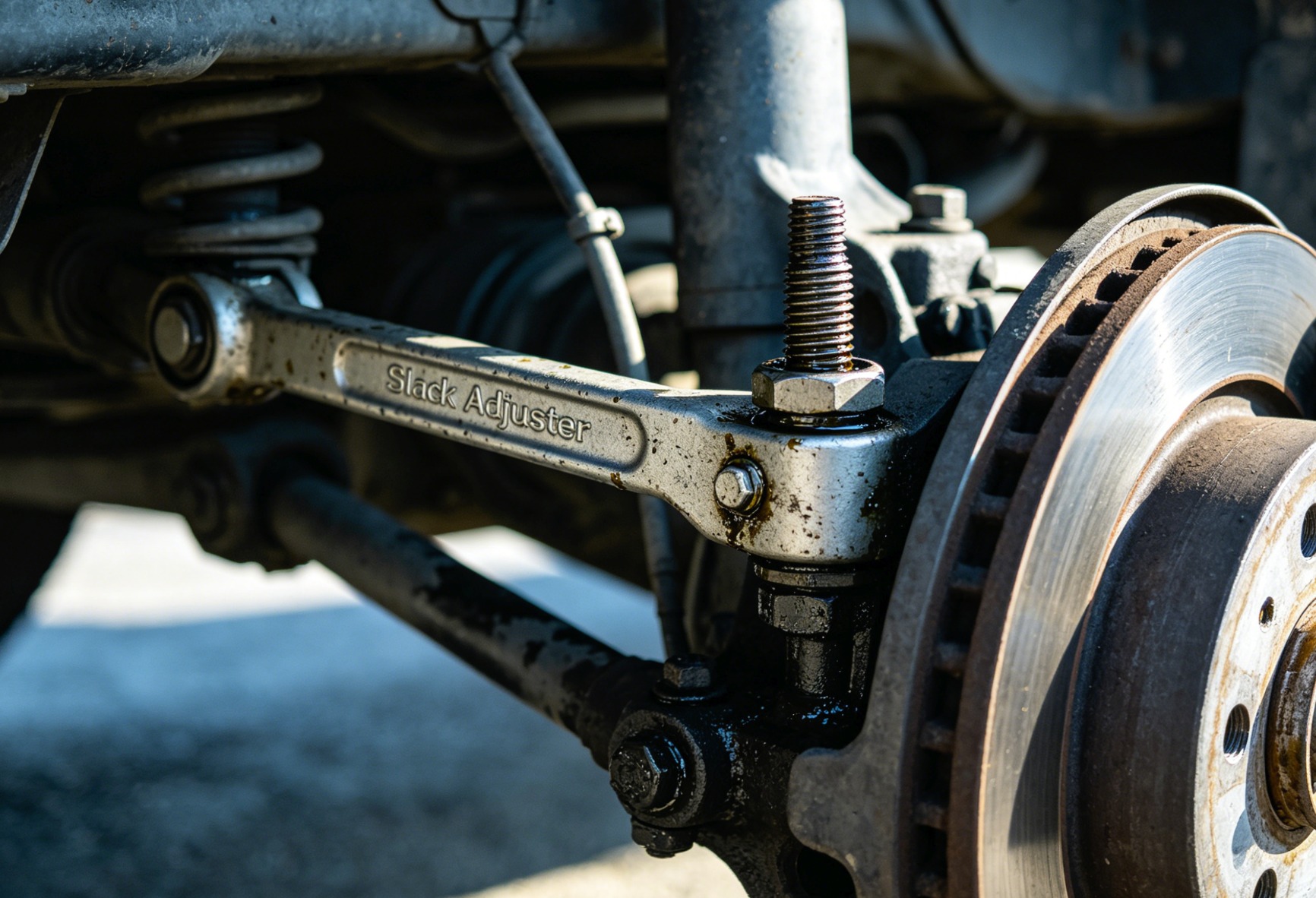
Maintenance Best Practices for Fleet Operators
Proper maintenance extends the life of any Vehicle Slack Adjuster and ensures regulatory compliance.
Recommended Practices
- Inspect brake stroke regularly
- Check for lubrication and wear
- Replace worn components proactively
- Avoid manual override of automatic systems
The Federal Motor Carrier Safety Administration emphasizes routine brake inspection as part of fleet safety programs.
Key long-tail keyword: slack adjuster maintenance guide
Supply Chain and OEM/ODM Opportunities
The Vehicle Slack Adjuster aftermarket is increasingly driven by B2B sourcing models.
Shaoxing Fangjie Auto Accessory Co., Ltd. focuses on:
- OEM/ODM manufacturing
- Aftermarket replacement parts
- Export-oriented production
Neutral disclosure: While this company operates in the same segment, buyers should evaluate suppliers based on certifications, production capacity, and quality assurance systems.
Key long-tail keyword: OEM slack adjuster manufacturer China
Future Forecast: What to Expect Beyond 2026
The future of the Vehicle Slack Adjuster industry will be shaped by automation and regulation.
Key Forecast Insights
- Automatic slack adjusters will become standard globally
- Integration with smart diagnostics will increase
- Sustainability will influence material selection
- Aftermarket demand will grow with aging fleets
According to the World Bank, global logistics expansion will continue driving commercial vehicle demand, indirectly boosting braking component markets.
Key long-tail keyword: future of commercial vehicle braking systems
FAQ Section
1. What is the difference between a slack adjuster and a brake chamber?
A slack adjuster controls brake clearance, while a brake chamber converts air pressure into mechanical force. Both components work together in air brake systems but serve distinct roles in braking performance and safety.
2. How often should a vehicle slack adjuster be replaced?
Replacement depends on usage and environment. In heavy-duty fleets, inspection occurs every service cycle, while replacement typically happens when wear exceeds manufacturer limits or adjustment fails.
3. Are automatic slack adjusters mandatory in 2026?
In many regions, automatic slack adjusters are strongly recommended or required for compliance. Regulations vary, but fleets increasingly adopt them to reduce inspection failures and improve safety outcomes.
4. Can a faulty slack adjuster affect fuel efficiency?
Yes, improper brake adjustment can cause drag, increasing rolling resistance. Over time, this leads to higher fuel consumption and accelerated brake wear, especially in long-haul operations.
5. What certifications should a slack adjuster have?
Common certifications include DOT (U.S.) and ECE (Europe). Buyers should also verify ISO manufacturing standards and supplier quality systems to ensure consistent product performance and compliance.
Post time: Apr-30-2026