

The 2026 core standards for screening heavy vehicle solenoid OEM suppliers focus on durability, electronic integration, and stringent B2B aftermarket compliance. Procuring high-quality Heavy Vehicle Solenoid components is essential for maintaining the safety and reliability of commercial vehicle braking and transmission systems in the demanding global aftermarket.
Defining the 2026 Heavy Vehicle Solenoid OEM Standards
A Heavy Vehicle Solenoid is an electromechanical device that converts electrical energy into mechanical movement to control the flow of air or fluid within a commercial vehicle’s pneumatic or hydraulic systems. By 2026, the industry standard has shifted from basic functionality to smart diagnostics and high-cycle reliability. For B2B buyers, identifying a supplier that adheres to these evolving specifications is critical for reducing fleet downtime. These components are vital for the operation of the Solenoid Valve units found in modern medium and heavy-duty trucks.
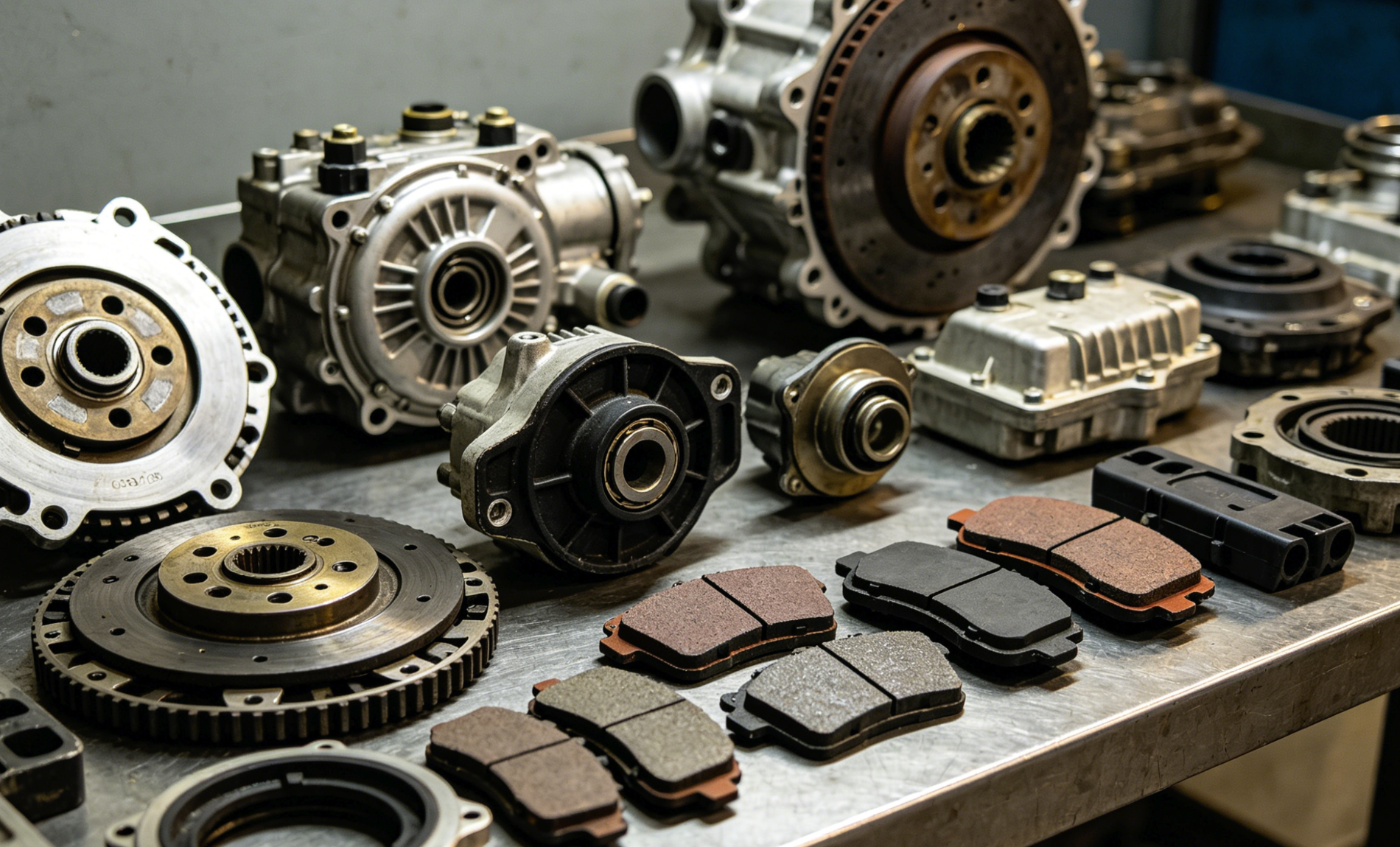
Technical Proficiency and Manufacturing Capabilities
The manufacturing of a solenoid for heavy-duty applications requires precision engineering to handle extreme pressure and temperature fluctuations. Leading manufacturers must utilize automated CNC machining and rigorous testing protocols to ensure every unit meets the “Zero Defect” goal prevalent in 2026. Evaluating a supplier’s internal R&D capacity is paramount, especially for specialized parts like the Gearbox Valve used in Scania or Volvo trucks. According to the International Organization for Standardization (ISO), specialized automotive components must now meet updated IATF 16949:2024 certifications to be considered globally competitive.
Material Integrity and Environmental Resistance
Durability in the heavy vehicle aftermarket is defined by a component’s ability to withstand salt spray, vibration, and chemical exposure. Modern solenoid housings are typically constructed from high-grade aluminum alloys or reinforced polymers to prevent corrosion. The internal coils must feature high-temperature insulation to prevent electrical shorts during prolonged operation. This level of material integrity is also a prerequisite for related braking components, such as a high-performance Brake Chamber, which operates in similarly harsh environments under the vehicle chassis.
Performance Comparison: 2026 OEM vs. Standard Aftermarket
| Feature | 2026 OEM Standard | Standard Aftermarket (Low-Tier) |
|---|---|---|
| Response Time | < 30 milliseconds | 50 – 100 milliseconds |
| Cycle Life | > 5 Million Cycles | < 1.5 Million Cycles |
| Protection Rating | IP69K (Water/Dust Proof) | IP65 or lower |
| Operating Temp | -40°C to +125°C | -20°C to +80°C |
Integration with Advanced Braking Systems
In 2026, the integration between solenoids and electronic braking systems (EBS) is more profound than ever. Suppliers must provide solenoids that are compatible with rapid-fire pulse-width modulation (PWM) signals used in anti-lock braking. This compatibility ensures that the ABS Solenoid Valve can modulate air pressure with millisecond precision to prevent wheel lockup. The Society of Automotive Engineers (SAE) provides updated guidelines on electronic signal interference for commercial vehicles, which all reputable OEM suppliers must follow.
Quality Control and Validation Protocols
A reliable OEM supplier implements multi-stage validation, including End-of-Line (EOL) testing for every batch produced. These tests verify pull-in/drop-out voltage, leak rates, and flow capacity under maximum load. Documentation of these tests is a hallmark of professional transparency in the B2B sector. Such rigorous quality control is consistent with the production of other safety-critical items like the Brake Caliper, where failure can lead to catastrophic system loss. Verification against ISO 9001 standards remains the baseline for operational excellence.
Supply Chain Stability and Aftermarket Support
Selecting a supplier in 2026 involves more than just evaluating the product; it requires assessing the stability of the global supply chain. B2B buyers prioritize manufacturers who maintain a robust inventory of “ready-to-ship” components to mitigate logistics delays. Effective communication and technical support are essential when sourcing complex assemblies such as a Brake Master Cylinder or solenoid kits. According to recent data from the Automotive Aftermarket Suppliers Association (AASA), supply chain resilience is now the second most important factor in vendor selection after product quality.
Supplier Evaluation Checklist for 2026
- Certification Status: Verify valid IATF 16949 and ISO 14001 certificates.
- Technical Documentation: Request detailed CAD drawings and material safety data sheets (MSDS).
- Testing Infrastructure: Ensure the factory possesses salt spray, vibration, and high-low temperature chambers.
- Production Capacity: Confirm the ability to scale production for large-scale aftermarket distribution.
- Logistical Traceability: Check for laser-etched QR codes or serial numbers on each solenoid for lifetime tracking.
Logistics and B2B Procurement Efficiency
The procurement of heavy-duty components in 2026 leverages digital platforms for real-time tracking and quality assurance. Efficiency in the B2B sector is driven by the supplier’s ability to provide accurate lead times and consolidated shipping for varied parts like Slack Adjuster units and solenoids. Leading Chinese manufacturers have optimized their export processes to meet the rapid replenishment needs of European and North American repair networks. Industry reports from Mckinsey & Company suggest that digitized procurement can reduce operational costs for fleet managers by up to 15%.
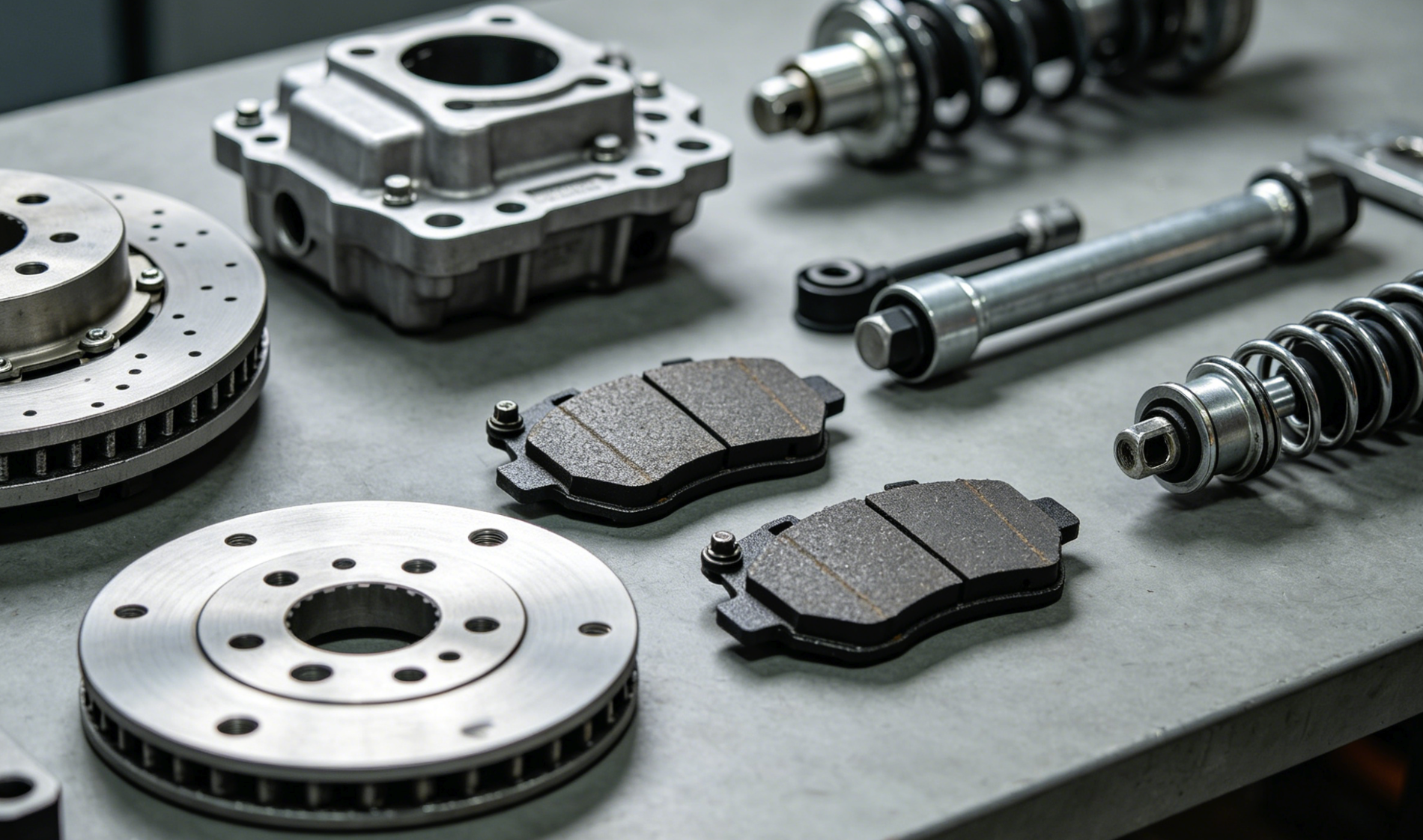
Conclusion: Future-Proofing Your Component Sourcing
Adhering to the 2026 core standards for heavy vehicle solenoid OEM suppliers ensures that your inventory meets the highest safety benchmarks. By focusing on technical precision, material durability, and electronic compatibility, B2B buyers can secure a competitive edge in the heavy-duty aftermarket. As commercial vehicles become more sophisticated, the role of high-quality electromechanical components will only increase in importance for global transportation safety.
FAQ
What is the expected service life of a 2026-standard heavy vehicle solenoid?
Under normal operating conditions, a 2026-standard solenoid is expected to exceed 5 million cycles or roughly 500,000 kilometers of vehicle travel. Factors such as air system cleanliness and voltage stability significantly influence this lifespan. High-quality OEM suppliers provide warranty periods that reflect this increased durability and reliability.
How do I verify if a solenoid is compatible with my fleet’s ABS system?
Compatibility is verified by checking the OEM part number cross-reference and the electrical connector type (typically DIN or Deutsch). Furthermore, the solenoid must match the voltage requirements (usually 24V for heavy trucks) and the specific flow rate mandated by the braking system manufacturer’s technical specifications.
Why is IP69K rating important for solenoids in 2026?
The IP69K rating ensures the solenoid is completely dust-tight and can withstand high-pressure, high-temperature washdowns. Since solenoids are often mounted on the chassis, they are exposed to road debris, mud, and power washing during maintenance. This rating prevents internal moisture ingress and subsequent electrical failure.
Can a gearbox solenoid be used interchangeably with a braking solenoid?
No, they are generally not interchangeable due to different pressure ratings, flow characteristics, and internal seals. Gearbox valves often handle transmission fluid or specific pneumatic pressures unique to shifting, while braking solenoids are designed for the rapid exhaust and delivery of air in safety-critical braking circuits.
What are the primary indicators of a sub-standard OEM solenoid?
Common indicators include inconsistent pull-in voltages, audible air leaks during the “off” cycle, and poor-quality plastic housings that show signs of stress cracking. Additionally, the absence of laser-etched traceability markings or standardized certifications like IATF 16949 often signals a low-tier manufacturer that may compromise vehicle safety.
Post time: May-24-2026