

Maintaining optimal braking performance in commercial vehicles requires a precise understanding of 2026 Quality Standards for Heavy Duty Slack Adjuster OEM Parts. This technical guide outlines the rigorous manufacturing requirements, material specifications, and testing protocols essential for ensuring safety and reliability in modern heavy-duty truck and trailer braking systems.
Defining 2026 OEM Quality Standards for Slack Adjusters
OEM quality standards for slack adjusters represent the benchmark for mechanical reliability in air brake systems, ensuring that brake clearance is maintained within tight tolerances. As we move into 2026, these standards prioritize automated precision, resistance to environmental corrosion, and enhanced fatigue life for high-cycle operations in heavy-duty commercial vehicles.
A compliant automatic slack adjuster must facilitate consistent brake shoe-to-drum clearance without manual intervention, directly impacting stopping distances. For B2B procurement, identifying parts that meet these updated OEM specifications is critical for fleet longevity and minimizing the risk of roadside inspection violations.
Material Integrity and Manufacturing Precision
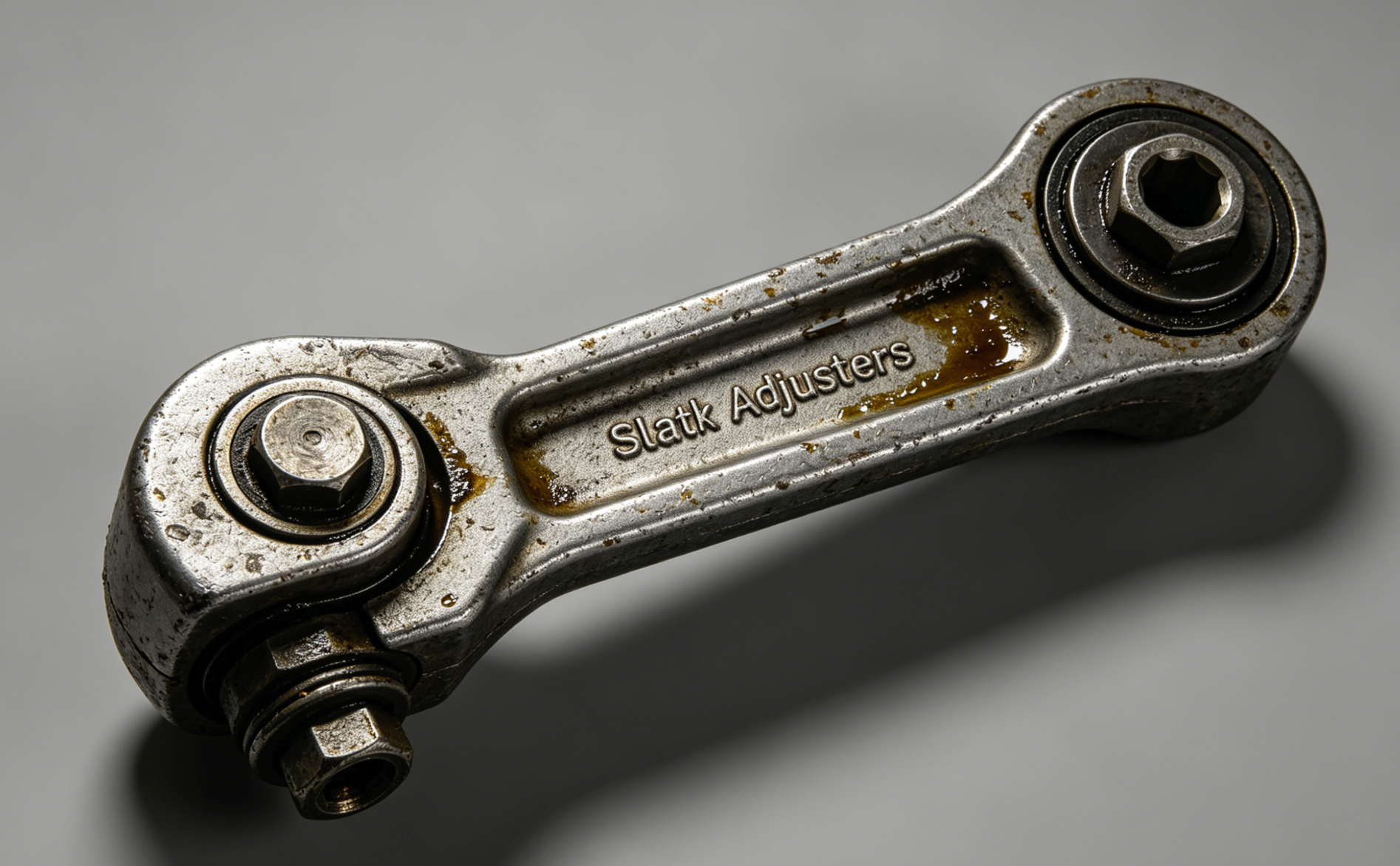
High-performance slack adjusters in 2026 are characterized by the use of high-strength alloy steels and advanced heat treatment processes. OEM-grade components utilize forged bodies rather than cast iron to provide superior tensile strength and resistance to the extreme torque generated during heavy braking events.
The internal gear sets must feature precision-machined tooth profiles to ensure smooth adjustment increments. According to industry estimates, OEM parts now require surface coatings that exceed 500 hours of salt spray testing to combat the corrosive effects of winter road chemicals.
| Feature | OEM Standard (2026) | Conventional Aftermarket |
|---|---|---|
| Body Material | Forged Alloy Steel | Cast Iron / Low-grade Steel |
| Adjustment Accuracy | < 0.05 mm increments | 0.10 – 0.20 mm increments |
| Corrosion Resistance | 500+ Hours Salt Spray | 100 – 240 Hours Salt Spray |
| Fatigue Life | 1,000,000+ Cycles | 500,000 Cycles |
Integration with Advanced Brake Components
The performance of a slack adjuster is inherently linked to the health of the surrounding brake system architecture. Modern Truck brake automatic slack adjusters are designed to work in synergy with high-output Brake Chambers to provide immediate mechanical response.
When selecting replacement parts, it is vital to ensure compatibility with the specific air brake configuration. For instance, a heavy-duty Truck Brake Caliper shell and high-friction Brake Pads require a slack adjuster that can handle higher thermal loads without losing adjustment calibration.
Comparative Analysis: Automatic vs. Manual Systems
While manual slack adjusters are still found in certain niche applications, 2026 safety standards almost exclusively favor automatic versions for heavy-duty commercial fleets. Automatic systems reduce human error and ensure that every wheel on a multi-axle trailer maintains uniform braking force, which is essential for vehicle stability during emergency maneuvers.
| System Type | Operational Benefit | Maintenance Requirement |
|---|---|---|
| Automatic Slack Adjuster | Consistent stroke; safer operation. | Regular lubrication; visual inspection. |
| Manual Slack Adjuster | Lower initial cost; simpler design. | Frequent manual measurement; high labor. |
Technical Requirements for B2B Procurement
B2B buyers focusing on the “aftermarket” repair and replacement sector must verify that their suppliers adhere to IATF 16949 quality management systems. This certification ensures that every Solenoid Valve or slack adjuster produced meets the rigorous traceability and process control standards required for OEM-equivalent performance.
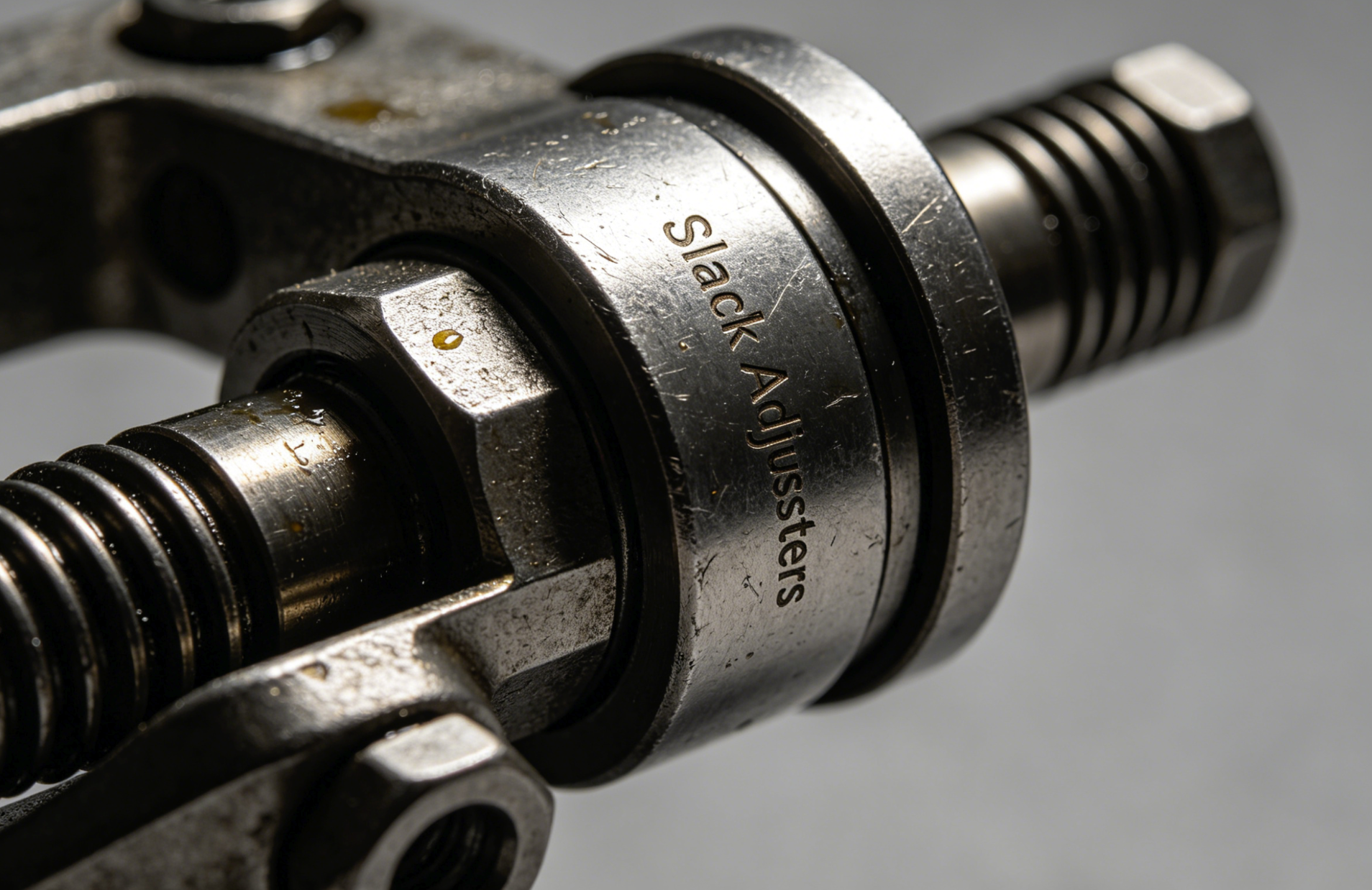
Furthermore, procurement teams should evaluate the seal integrity of the adjusting mechanism. In 2026, premium parts utilize multi-lip synthetic rubber seals to prevent the ingress of moisture and road debris, which are the leading causes of premature internal gear failure in heavy-duty environments.
Testing Protocols and Performance Validation
Every batch of OEM-standard slack adjusters undergoes destructive and non-destructive testing to validate performance under extreme conditions. This includes cycle testing at maximum rated torque and temperature swing tests ranging from -40°C to +80°C to simulate global operational environments.
Performance validation also extends to the hydraulic and pneumatic interfaces. For example, a high-quality Clutch Master Cylinder or brake master cylinder must demonstrate zero leakage at 1.5 times the maximum operating pressure to be considered compliant with 2026 safety mandates.
2026 Quality Checklist for Procurement Managers
To ensure the highest levels of safety and operational efficiency, procurement managers should utilize a standardized checklist when evaluating new suppliers of heavy-duty braking components.
- Certification Verification: Confirm ISO 9001 and IATF 16949 compliance.
- Material Reports: Request metallurgical analysis for forged components.
- Compatibility Testing: Ensure fitment accuracy for major brands like Meritor, Haldex, or Bendix.
- Environmental Durability: Review salt spray and thermal cycling test results.
- Warranty and Support: Evaluate the manufacturer’s field performance data and return rates.
The Role of Precision in Commercial Vehicle Safety
The difference between an OEM-standard part and a low-quality alternative is often measured in millimeters of brake stroke. Excessive stroke can lead to “brake fade,” a condition where the drum expands away from the shoes due to heat, potentially resulting in total braking loss during long descents.
By adhering to 2026 quality standards, fleets can significantly reduce the frequency of “out-of-service” orders during Commercial Vehicle Safety Alliance (CVSA) inspections. Reliable Slack Adjusters are not just a maintenance item; they are a fundamental safety component that protects both the driver and the public.
External Industry References
For more detailed information on commercial vehicle safety standards and braking regulations, please refer to the following authoritative sources:
- Commercial Vehicle Safety Alliance (CVSA): North American Standard Out-of-Service Criteria
- National Highway Traffic Safety Administration (NHTSA): Federal Motor Vehicle Safety Standard (FMVSS) No. 121 – Air Brake Systems
- Society of Automotive Engineers (SAE International): J1461 Manual and Automatic Slack Adjuster Performance Requirements
- Heavy Duty Manufacturers Association (HDMA): Market Trends and Regulatory Updates for 2025-2026
Frequently Asked Questions (FAQ)
What are the primary differences between 2026 OEM and standard aftermarket slack adjusters?
2026 OEM standards require higher corrosion resistance, often exceeding 500 hours of salt spray testing, and utilize forged alloy steel for increased fatigue life. Standard aftermarket parts may use cast materials and have lower adjustment precision, potentially leading to inconsistent braking force and shorter service intervals in heavy-duty applications.
How often should automatic slack adjusters be inspected in a commercial fleet?
According to 2026 maintenance best practices, automatic slack adjusters should undergo a visual inspection during every scheduled grease interval, typically every 25,000 to 50,000 miles. Technicians should verify the operational stroke and ensure the internal clutch mechanism is functioning without binding or excessive play to maintain regulatory compliance.
Can manual slack adjusters still meet 2026 safety standards for heavy trucks?
While manual slack adjusters are legal in some jurisdictions for specific older models, they generally do not meet the efficiency and safety requirements of modern 2026 fleet operations. Automatic slack adjusters are mandated for most new heavy-duty vehicles to ensure consistent braking performance and reduce the risk of human error during manual adjustments.
What causes an automatic slack adjuster to fail prematurely in harsh environments?
Premature failure is most commonly caused by moisture ingress, road salt corrosion, or lack of proper lubrication. In 2026, high-quality OEM parts address these issues by using advanced multi-lip seals and specialized surface coatings that prevent internal rust and ensure the adjusting gears remain mobile under extreme weather conditions.
Are slack adjusters interchangeable between different truck and trailer axle brands?
Slack adjusters are not universally interchangeable; they must match the spline count, arm length, and offset of the specific S-cam shaft and brake chamber configuration. Using an incorrect model can result in improper leverage ratios and compromised braking power, making it essential to consult OEM cross-reference guides during procurement.
Post time: May-27-2026