

Understanding the core structure breakdown of heavy duty truck disc brake calipers is essential for fleet maintenance managers and aftermarket parts distributors specializing in commercial vehicle safety. This technical guide explores the intricate mechanical architecture of high-performance air disc brake (ADB) systems, detailing how integrated components work together to deliver reliable stopping power for medium and heavy-duty trucks.
Primary Components of Commercial Vehicle Disc Brake Calipers
A commercial vehicle disc brake caliper is a sophisticated assembly designed to convert pneumatic pressure into mechanical clamping force. Unlike hydraulic systems in passenger cars, heavy-duty truck calipers must manage extreme thermal loads while maintaining precise alignment over hundreds of thousands of miles. The primary housing, often referred to as the Truck Brake Caliper shell, acts as the structural foundation, containing the internal actuation mechanism and protecting it from road debris.
The internal architecture typically consists of the lever, eccentric shaft, and a bridge that transmits force to the pistons. High-quality Brake Caliper units utilize advanced metallurgy to prevent housing deflection under maximum braking torque, ensuring that the Brake Pad remains parallel to the rotor surface. This structural integrity is a hallmark of premium Chinese auto parts manufacturing for the global aftermarket.
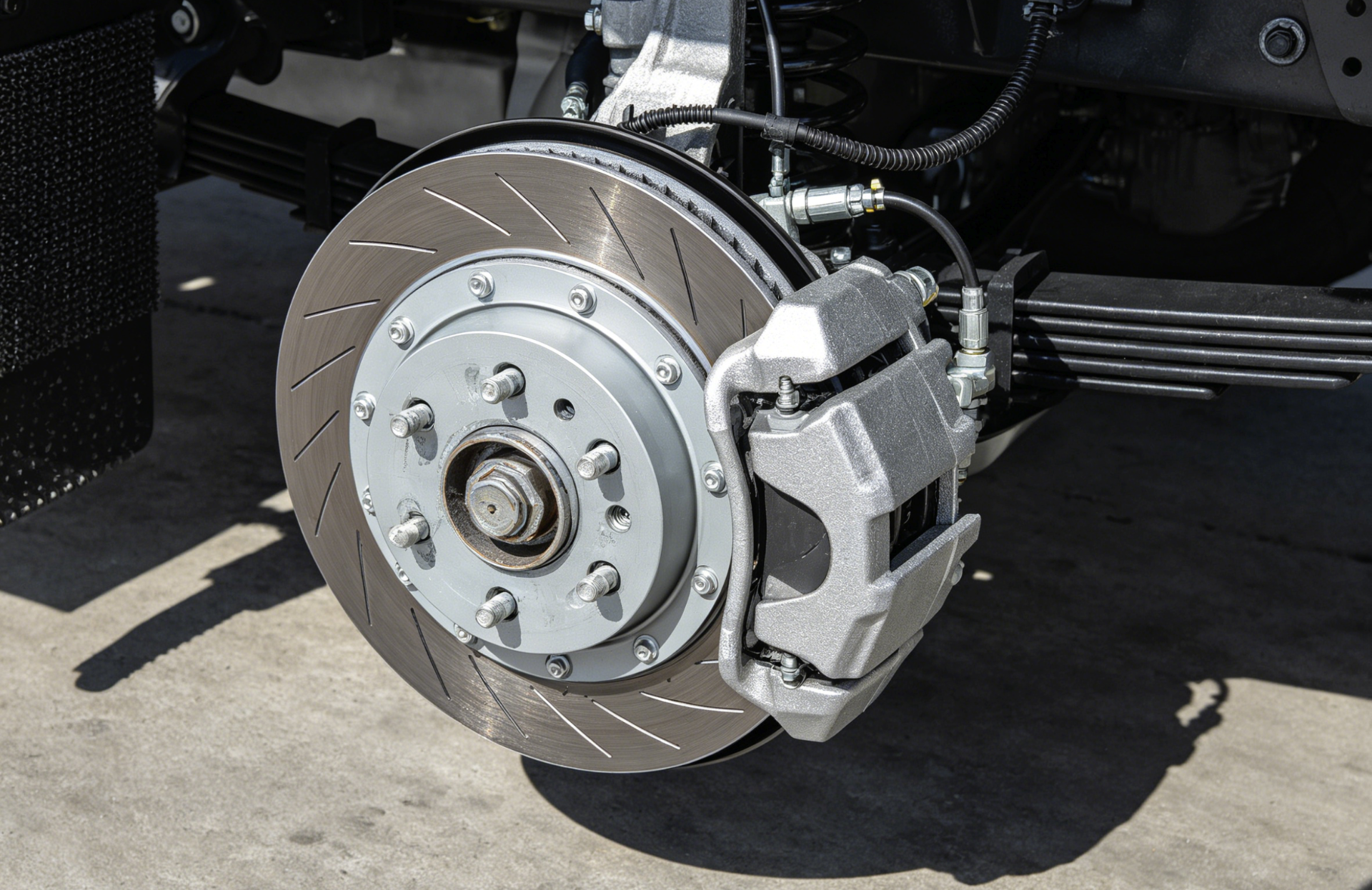
Table 1: Core Component Functions in Heavy Duty Calipers
| Component Name | Primary Material | Main Function |
|---|---|---|
| Caliper Housing | Nodular Cast Iron | Provides structural rigidity and houses internal parts. |
| Pistons (Dual) | Stainless Steel/Plated | Transfers mechanical force to the brake pads. |
| Internal Adjuster | Hardened Alloy Steel | Automatically compensates for brake pad wear. |
| Boot and Seal Kit | High-Temp Elastomer | Prevents contamination and retains lubrication. |
| Guide Pins | Case-Hardened Steel | Allows the caliper to float for even pressure distribution. |
The Role of the Actuation Mechanism
The actuation mechanism is the “brain” within the core structure breakdown of heavy duty truck disc brake calipers. When the driver applies the brakes, the Brake Chamber pushes a rod against the caliper’s internal lever. This lever rotates an eccentric shaft, which pushes the bridge and pistons forward, clamping the pads against the rotor. This mechanical advantage is critical for stopping vehicles that can exceed 40 tons in gross weight.
Efficiency in this mechanism is measured by the ratio of input pneumatic pressure to output clamping force. According to the Commercial Vehicle Safety Alliance (CVSA), air disc brakes generally offer shorter stopping distances and better fade resistance compared to traditional drum brakes due to this direct-acting structural design. Maintenance of the lever and eccentric assembly is vital, as excessive friction here can lead to dragging brakes or reduced braking efficiency.
Automatic Adjustment and Wear Compensation
Modern heavy-duty calipers feature an integrated self-adjusting mechanism that maintains a constant air gap between the pad and the rotor. This system functions similarly to an Automatic Slack Adjuster in drum systems, ensuring that the brake stroke remains within legal and operational limits regardless of pad thickness. This feature significantly reduces the need for manual inspections and ensures a consistent pedal feel for the operator.
The adjustment mechanism is highly sensitive to moisture and dirt. Therefore, the integrity of the sealing system, including the tappet boots and the main housing seal, is paramount. In the aftermarket sector, choosing a Brake Caliper supplier that adheres to strict ISO/TS 16949 standards ensures that these internal adjusters meet the durability requirements of long-haul trucking.
Material Standards and Thermal Management
Thermal management is a critical aspect of the core structure breakdown of heavy duty truck disc brake calipers. During downhill descents or emergency stops, brake rotors can reach temperatures exceeding 600°C. The caliper must be designed to dissipate this heat rapidly to protect the Solenoid Valve and other pneumatic components in the air circuit from overheating.
The use of nodular cast iron for the caliper body provides an optimal balance between weight, cost, and thermal conductivity. According to technical documentation from SAE International, the structural design must account for “thermal blooming,” where the caliper expands slightly under heat. Precision engineering ensures that this expansion does not cause the guide pins to seize or the pistons to bind.
Table 2: Comparison of Material Performance for Caliper Components
| Property | Nodular Cast Iron (Body) | Stainless Steel (Pistons) | EPDM Rubber (Seals) |
|---|---|---|---|
| Heat Resistance | Excellent | High | Moderate |
| Corrosion Resistance | Moderate (Coating required) | Superior | High |
| Strength-to-Weight | High | High | N/A |
| Primary Failure Mode | Fatigue Cracking | Pitting/Scoring | Hardening/Cracking |
Floating vs. Fixed Caliper Structures in Heavy Trucks
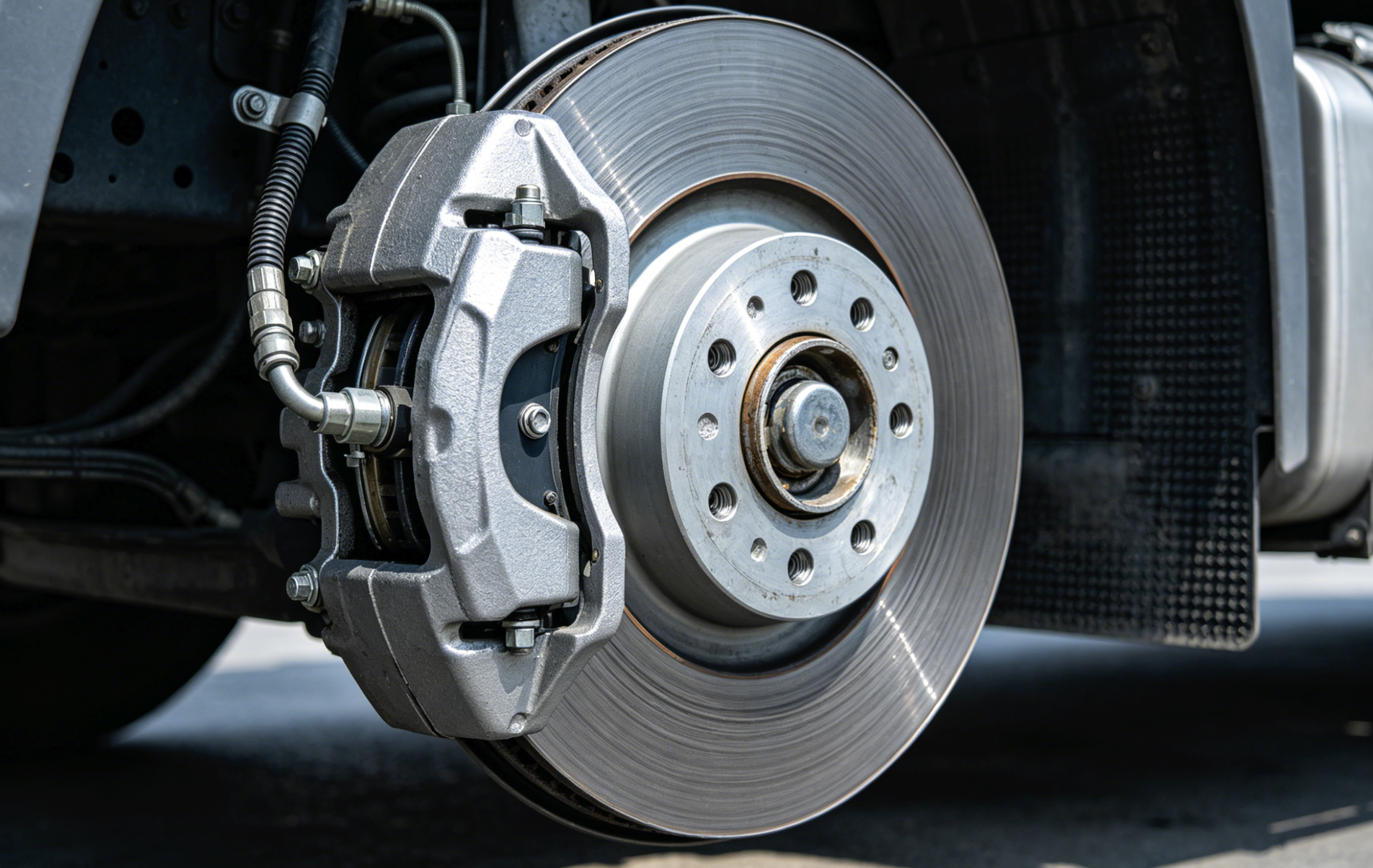
While most passenger vehicles use floating calipers, the core structure breakdown of heavy duty truck disc brake calipers often emphasizes a sliding (floating) design for commercial use. This allows the caliper to move along guide pins to compensate for rotor movement and pad wear on both sides. A sliding caliper design is generally more compact and easier to service in a “post-market” environment, where downtime must be minimized.
The guide pin system is the most common point of failure in this structure. Regular lubrication with specialized high-temperature grease is required to prevent “pin seizure,” which leads to uneven pad wear and reduced stopping power. Industry experts at the Technology & Maintenance Council (TMC) recommend inspecting these components at every oil change to ensure the sliding action remains smooth.
Conclusion: Selecting Quality Aftermarket Calipers
Choosing the right components for a core structure breakdown of heavy duty truck disc brake calipers involves more than just matching part numbers. For B2B buyers, it is essential to partner with manufacturers who understand the specific stresses of the commercial vehicle aftermarket. Whether you are replacing a Clutch Master Cylinder or a complete disc brake assembly, verifying the metallurgy and sealing technology is key to fleet safety.
Table 3: Selection Checklist for Heavy Duty Calipers
| Checkpoint | Requirement | Importance |
|---|---|---|
| Casting Quality | No visible porosity or inclusions | Critical for safety |
| Seal Integrity | Double-lip dust boots | Prevents premature wear |
| Adjuster Test | Smooth, incremental clicks | Ensures even braking |
| Coating | Zinc or Geomet plating | Corrosion protection |
Frequently Asked Questions (FAQ)
1. How do I identify a failing internal adjuster in a truck disc brake caliper?
A failing internal adjuster usually manifests as uneven pad wear or a “soft” brake pedal. If the air gap between the pad and rotor exceeds the manufacturer’s specification (typically 0.6mm to 1.0mm) after several brake applications, the internal mechanism is likely seized or stripped.
2. Why is the caliper shell material so important for heavy-duty applications?
The caliper shell must withstand several tons of clamping force without flexing. Excessive flexing, or deflection, reduces the effective pressure applied to the pads and can cause the brake fluid or air system to work harder, leading to increased component wear and potential system failure.
3. Can I replace individual internal parts of a heavy-duty disc brake caliper?
While repair kits for boots, seals, and guide pins are common in the aftermarket, internal components like the eccentric shaft or lever are often not sold separately due to safety risks. Replacing the entire caliper assembly is generally recommended to ensure all internal tolerances meet original equipment standards.
4. What is the difference between air disc brakes and hydraulic disc brakes in terms of structure?
Air disc brakes use a mechanical lever and power screw assembly to multiply force from a pneumatic chamber, whereas hydraulic calipers use fluid pressure to push pistons directly. The air system is more robust for heavy loads and fails “safe” by using spring pressure to apply brakes if air is lost.
5. How often should the guide pins in a commercial caliper be inspected?
In heavy-duty applications, guide pins should be inspected every 50,000 miles or during every brake pad replacement. Ensuring the caliper slides freely on its pins prevents “drag,” which can significantly improve fuel economy and extend the lifespan of the rotors and pads.
Post time: May-27-2026