

Determining the ideal braking component for heavy-duty commercial vehicles is critical for maintaining operational safety and regulatory compliance. This comprehensive technical guide compares Automatic Slack Adjusters and manual alternatives to assist fleet managers and technicians in selecting the most reliable repair solution for modern braking systems.
Understanding the Role of Slack Adjusters in Commercial Braking
A slack adjuster serves as a mechanical link between the brake chamber and the camshaft, functioning as a lever to multiply the force applied by air pressure. Its primary responsibility is to regulate the clearance between the brake shoe and the drum. When this clearance is optimal, the vehicle achieves maximum braking efficiency with minimal air consumption. Automatic Slack Adjusters perform this task dynamically, responding to wear without requiring external intervention.
Regular maintenance of these components is essential to prevent “out-of-adjustment” citations during roadside inspections. As the industry shifts toward higher safety standards, the use of automated mechanisms has become a standard requirement for many long-haul applications. Reliability in these components directly correlates with the durability of the Brake Chamber and overall system longevity.
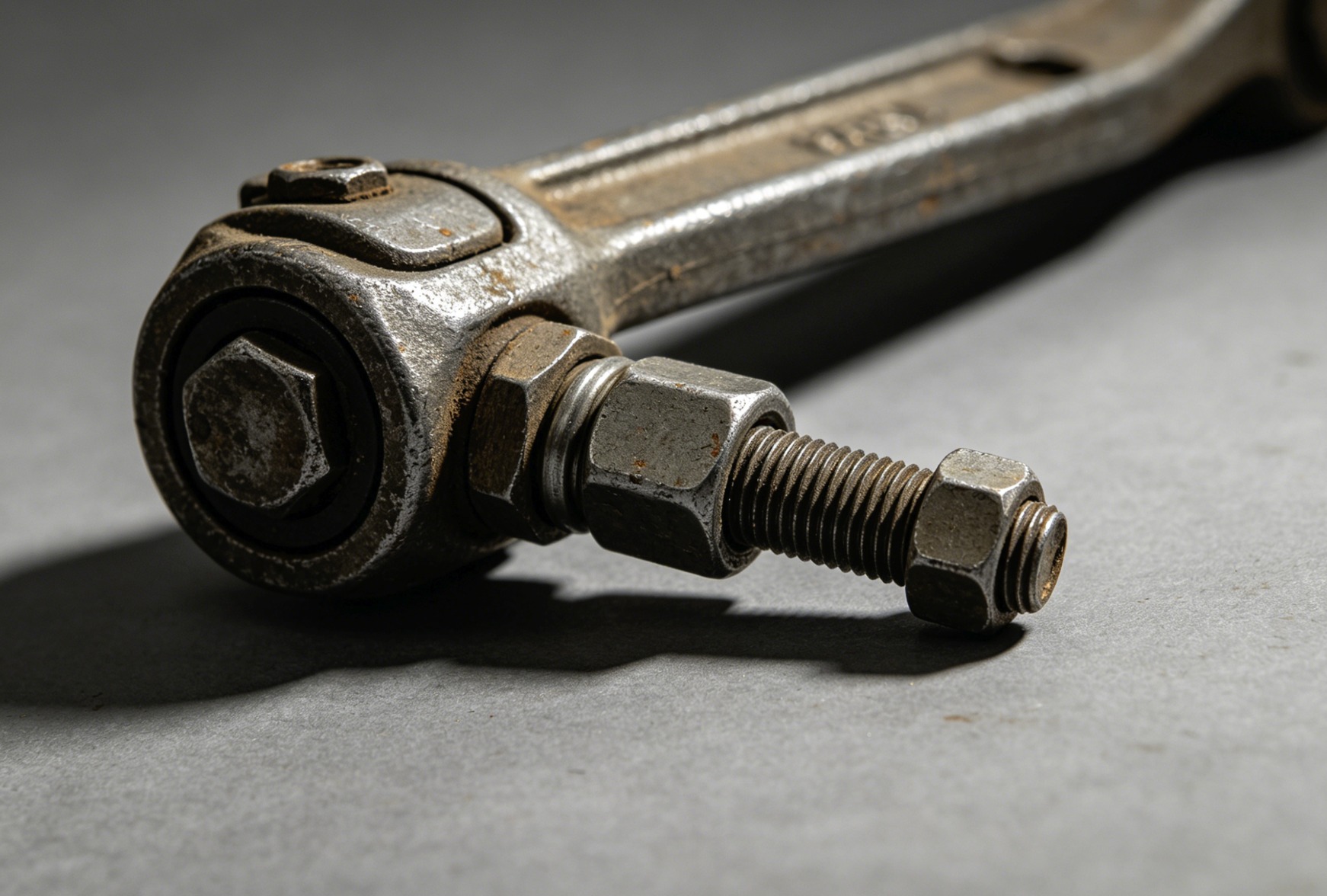
Technical Comparison: Manual vs Automatic Slack Adjusters
Choosing between manual and automated systems involves evaluating long-term maintenance costs against initial investment. Manual slack adjusters require a technician to physically tighten the mechanism using a wrench, a process that is prone to human error and inconsistent adjustment. In contrast, Automatic Slack Adjusters utilize an internal ratcheting mechanism or clutch to advance the gear as the lining wears down.
| Feature | Manual Slack Adjusters | Automatic Slack Adjusters |
|---|---|---|
| Adjustment Method | Manual technician intervention | Self-adjusting during brake cycles |
| Adjustment Precision | Variable (depends on technician) | Consistent (meets OEM specs) |
| Labor Requirement | High (frequent inspections) | Low (periodic lubrication only) |
| Safety Compliance | Higher risk of manual error | Aligns with CVSA safety standards |
| Component Life | Moderate | High (with proper lubrication) |
The Mechanics of Automatic Slack Adjusters
The operational principle of Automatic Slack Adjusters centers on the stroke length of the brake actuator. When the actuator stroke exceeds a predetermined limit due to brake lining wear, the adjuster’s internal mechanism rotates the worm shaft. This rotation moves the S-cam, effectively bringing the shoes closer to the drum. This continuous cycle ensures that the Automatic Slack Adjuster maintains a consistent “power stroke.”
It is important to note that self-adjusting components should never be manually adjusted to “fix” an over-stroke condition unless the mechanism is being replaced or the brakes are being relined. Forced manual adjustment of an automated unit can damage the internal sensitive gears, leading to premature failure.
Advantages of Upgrading to Automatic Systems
Fleet operators prioritize Automatic Slack Adjusters primarily for their ability to maintain constant brake balance across all axles. When all wheels exert equal braking force, the risk of jackknifing or tire flat-spotting is significantly reduced. Furthermore, the reduction in labor hours for brake adjustments translates to higher vehicle uptime and lower total cost of ownership (TCO).
- Enhanced Safety: Constant adjustment prevents brake fade during heavy descents.
- Regulatory Compliance: Automated units are often required by law (e.g., FMVSS 121) for vehicles equipped with air brakes.
- Reduced Wear: Consistent clearance protects the Brake Pad and drums from uneven heat distribution.
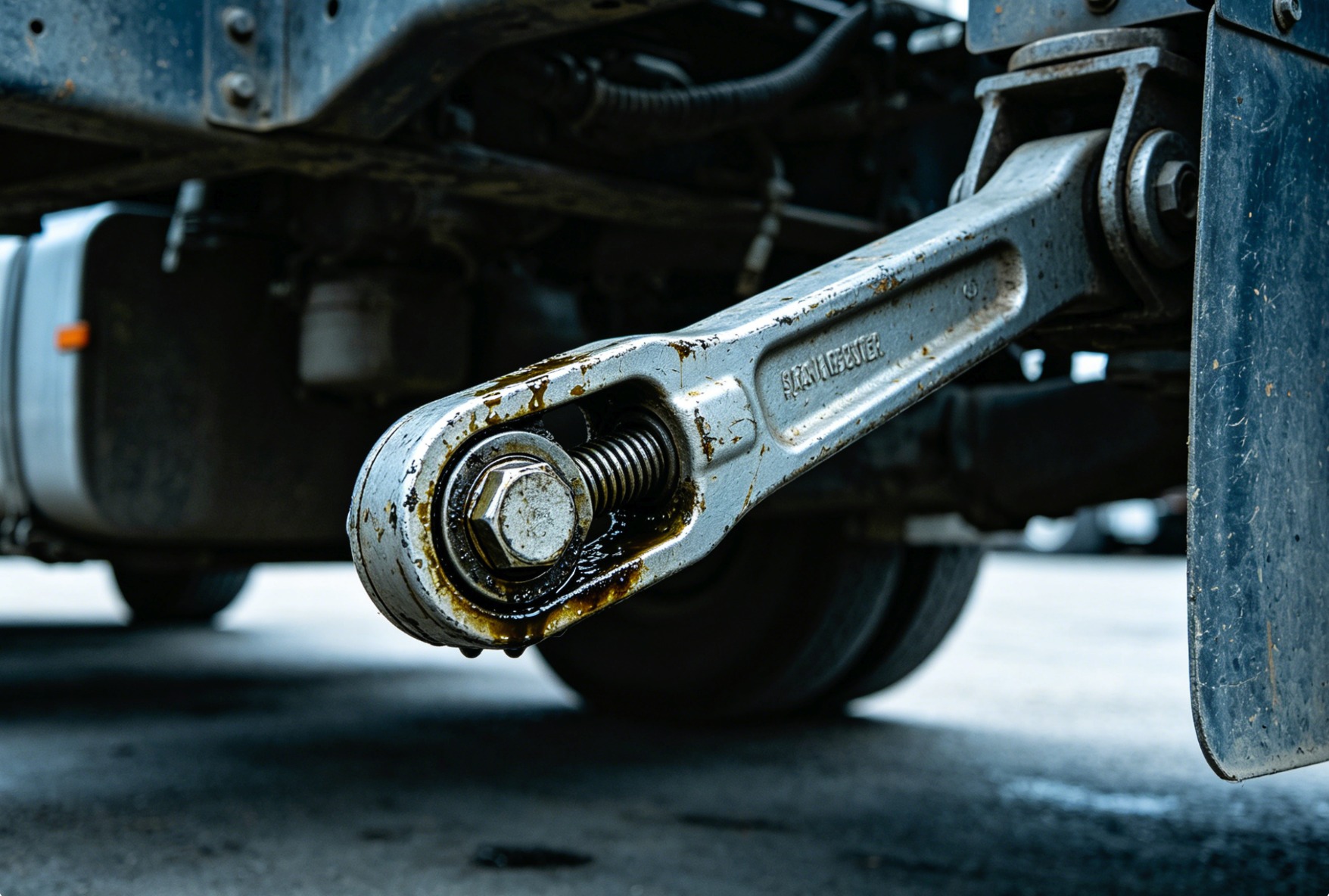
Maintenance Requirements for Repair and Replacement
While Automatic Slack Adjusters are self-correcting, they are not “maintenance-free.” They require high-quality grease to protect internal moving parts from moisture and road contaminants. During a repair cycle, technicians must verify that the clevis pins move freely and the mounting brackets are secure. If a unit fails to maintain adjustment, it typically indicates internal wear or a seized Solenoid Valve within the wider air system affecting pressure delivery.
According to the Commercial Vehicle Safety Alliance (CVSA), brake-related issues remain the leading cause of vehicle out-of-service orders. Utilizing precision-engineered Truck Brake Caliper components and adjusters from reputable manufacturers ensures that the system meets the 2024 North American Standard Out-of-Service Criteria.
Selecting the Right Component for Your Fleet
When selecting a replacement, compatibility with existing hardware is paramount. Technicians must identify the spline count, arm length, and the specific brand of the axle. For example, some heavy-duty trailers may require specialized configurations to handle high-torque applications. Ensuring the Clutch Master Cylinder and brake actuators are synchronized with the adjuster’s stroke capacity is a hallmark of professional maintenance.
Selection Checklist for Repair
- Spline Specification: Match the camshaft spline count (e.g., 10, 28, or 37 splines).
- Arm Length: Measure from the center of the camshaft to the center of the clevis pin.
- Application Type: Differentiate between steer, drive, and trailer axle requirements.
- Brand Compatibility: Ensure the unit fits Meritor, Haldex, or Bendix style configurations.
Impact of Environment on Slack Adjuster Performance
Environmental factors such as road salt and extreme temperatures can degrade the seals of any slack adjuster. Automatic Slack Adjusters with high-grade sealing technology offer superior resistance to corrosion. Regular inspections should focus on the integrity of the boots and the presence of fresh grease at the purge valves. Industry data from 2025 indicates that fleets utilizing proactive lubrication schedules see a 30% increase in component life.
Conclusion: Why Automatic is the Professional Choice
For modern commercial vehicle repair, Automatic Slack Adjusters provide an unassailable advantage in safety and efficiency. While manual units may persist in niche or vintage applications, the precision and consistency of automated technology are essential for the rigorous demands of today’s logistics industry. Investing in high-quality components from established manufacturers like Fangjie Auto Accessory ensures that your braking system remains a reliable asset on the road.
Frequently Asked Questions (FAQ)
1. Can I replace a manual slack adjuster with an automatic one?
Yes, most manual slack adjusters can be upgraded to Automatic Slack Adjusters, provided the mounting brackets and camshaft splines are compatible. This upgrade is highly recommended to improve vehicle safety and ensure the braking system complies with modern DOT regulations regarding stroke consistency and automatic adjustment standards.
2. Why should I never manually adjust an automatic slack adjuster?
Manually adjusting an automatic unit usually masks an underlying mechanical problem, such as a worn brake foundation or a failing internal clutch. Repeated manual overrides can strip the internal gears and void the manufacturer’s warranty. If the adjuster is out of spec, it likely requires replacement or professional repair.
3. How often should automatic slack adjusters be lubricated?
Industry standards from organizations like the Technology & Maintenance Council (TMC) suggest lubricating adjusters every 25,000 to 50,000 miles, or during every oil change. Using the correct grade of grease ensures the internal pawls and gears move smoothly, preventing the unit from seizing in harsh environments.
4. What are the signs that a slack adjuster is failing?
Common indicators of failure include uneven brake wear, excessive chamber stroke during inspection, or a visible grease leak from the housing. If the brakes feel “soft” or the vehicle pulls to one side during deceleration, the Automatic Slack Adjuster may no longer be maintaining the correct shoe-to-drum clearance.
5. Are automatic slack adjusters required by law for all trucks?
In the United States, federal law (FMVSS 121) has mandated Automatic Slack Adjusters on all new air-braked vehicles manufactured since 1994. For older vehicles being repaired, technicians almost always install automated units to meet modern safety requirements and pass rigorous annual vehicle inspections conducted by state and federal authorities.
Post time: Apr-30-2026