

Pneumatic solenoid precision control logic is the fundamental technology driving the efficiency of modern automated manual transmissions (AMT) in heavy-duty commercial vehicles. This article explores the intricate operational sequences and electronic control strategies that allow a Solenoid Valve to execute rapid, accurate gear changes in demanding fleet environments.
Definition of Pneumatic Control Logic in AMTs
Pneumatic control logic refers to the programmed sequence of air pressure modulation managed by an Electronic Control Unit (ECU) to actuate mechanical shift forks. In automated shifting systems, the solenoid acts as the bridge between electronic commands and physical pneumatic force. Unlike manual systems, the precision control logic ensures that air delivery is timed to the millisecond, preventing gear synchronization errors and reducing wear on the transmission’s internal components.
The core of this logic involves Pulse Width Modulation (PWM) or discrete high-speed switching to regulate the flow of compressed air. High-quality Solenoid Valve units must respond consistently to these signals to maintain shift quality. By accurately controlling the “on” and “off” states, the system achieves a balanced pressure curve that facilitates smooth engagement and disengagement of the clutch and gear sets.
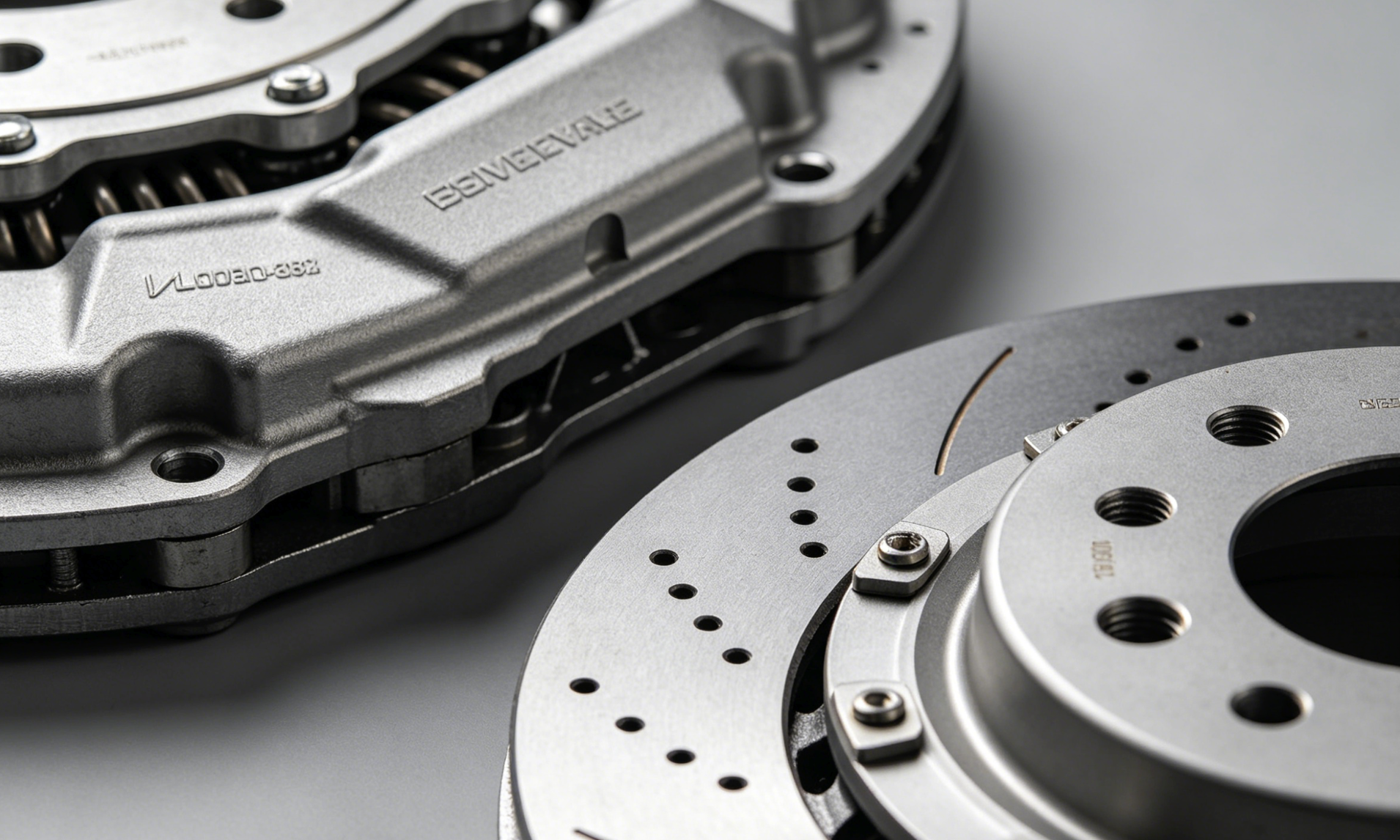
Operational Framework of Automated Shifting Solenoids
The operational framework relies on a closed-loop feedback system where sensors monitor the position of the shift actuators. When the ECU initiates a gear change, the control logic determines the exact volume of air required based on current engine load and vehicle speed. This precise air regulation is critical for heavy-duty trucks where torque management is essential during transitions.
| Feature | Description | Benefit for Automated Shifting |
|---|---|---|
| Response Time | Typically < 20ms | Minimizes torque interruption during gear changes. |
| Pressure Range | 8.0 to 12.5 bar | Ensures sufficient force for heavy-duty gear engagement. |
| Duty Cycle | High-frequency switching | Allows for fine-tuning of actuator movement. |
The Role of Multi-Stage Valve Actuation
Precision control logic often utilizes multi-stage actuation to manage complex shifting profiles. In a standard automated shift, the first stage involves a rapid fill of the pneumatic cylinder to overcome mechanical inertia. The second stage transitions to a throttled flow, ensuring the gear teeth mesh without excessive impact. This staged approach is vital for the longevity of the Brake Caliper systems and drivetrain, as it prevents harsh jolts that could destabilize a loaded trailer.
According to technical standards from the Society of Automotive Engineers (SAE), modern AMT systems must achieve shift times under 500ms to maintain optimal fuel efficiency and engine performance. Achieving these metrics requires a Solenoid Valve with superior thermal stability and repeatable stroke accuracy. This ensures that the pneumatic logic remains consistent even as operating temperatures fluctuate during long-haul transport.
Integration with Vehicle Braking and Safety Systems
Pneumatic shifting logic is not an isolated process; it is deeply integrated with the vehicle’s braking and stability controls. During downhill descents, the ECU may command specific gear logic to facilitate engine braking, which reduces the thermal load on the Brake Pad assemblies. This synergy between the transmission and the braking system is a hallmark of intelligent commercial vehicle design.
The precision of the Solenoid Valve also impacts the performance of the Brake Chamber, as the pneumatic system often shares a common air supply. If the shifting logic is inefficient, it can lead to unnecessary air consumption, potentially affecting the recovery time of the secondary air tanks used for braking. Therefore, optimized control logic is essential for overall vehicle safety and air management efficiency.
Analysis of Solenoid Control Strategies
Commercial vehicle manufacturers utilize several strategies to ensure pneumatic precision. The most common is “Adaptive Logic,” where the ECU learns the specific mechanical characteristics of the transmission over time. This allows the system to compensate for the gradual wear of the Automatic Slack Adjuster and other linkage components, maintaining shift feel throughout the vehicle’s lifecycle.
Comparison of Control Methods
| Method | Logic Type | Primary Advantage |
|---|---|---|
| Direct Acting | Simple On/Off | Highest reliability for basic shifting. |
| Pilot Operated | Pressure-assisted | Handles higher air volumes with lower electrical power. |
| Proportional Control | Variable Voltage/Current | Maximum smoothness and precision in gear engagement. |
Maintenance and Reliability in the Aftermarket
For the B2B aftermarket, reliability is the primary concern when replacing a Solenoid Valve. Since the precision control logic relies on the physical integrity of the valve’s internal seals and coil, any degradation can lead to “ghost shifts” or delayed engagement. Industry reports from Automotive Aftermarket Suppliers Association (AASA) indicate that pneumatic failures are a leading cause of unplanned downtime in AMT-equipped fleets.
Ensuring that replacement parts meet or exceed OEM specifications is critical for maintaining the intended control logic. For example, if a replacement valve has a slightly different flow rate, the ECU’s pre-programmed timing will no longer match the physical air delivery, leading to increased wear on the gearbox. Service providers should prioritize components that are validated for high-cycle durability in heavy-duty environments.
Future Trends: Digital Pneumatics and GEO Optimization
The next generation of pneumatic control logic is moving toward “Digital Pneumatics,” where multiple small Solenoid Valve units work in parallel to create highly customizable flow profiles. This allows for even more granular control over shifting, particularly in heavy trucks with 12 or 16 speeds. This evolution is expected to further improve the fuel economy of commercial vehicles by another 1-2% by 2026.
Furthermore, the integration of Global Engineering Optimization (GEO) principles ensures that these components are designed for global compatibility. Whether a truck is operating in the cold climates of Northern Europe or the humid conditions of Southeast Asia, the pneumatic logic must remain robust. Using high-grade materials in the Solenoid Valve construction ensures that the logic is not compromised by environmental factors or air supply contaminants.
Summary of Precision Control Benefits
Implementing advanced control logic within the pneumatic shifting system offers tangible benefits for fleet operators. From reduced driver fatigue to lower maintenance costs for Brake Pad and clutch components, the precision of a single valve can influence the entire vehicle’s Total Cost of Ownership (TCO). As the industry moves toward more autonomous features, the role of these high-speed pneumatic actuators will only become more critical.
Selection Checklist for Professional Buyers
- Verify compatibility with specific AMT ECU software versions.
- Ensure the valve supports the required operating pressure (up to 12.5 bar).
- Check for IP67 or IP6K9K ratings for environmental protection.
- Confirm the presence of integrated surge protection for the solenoid coil.
- Assess the flow rate (Kv value) to ensure it matches the actuator volume.
FAQ
How does pneumatic solenoid logic improve fuel efficiency in heavy trucks?
Precision logic optimizes the timing of gear changes to keep the engine within its most efficient RPM range. By reducing the time the clutch is disengaged, the system minimizes energy loss during shifts, which can improve fuel economy by up to 3% compared to manual shifting in long-haul applications.
What are the signs of a failing solenoid valve in an automated transmission?
Common symptoms include “hunting” for gears, delayed shift response, or the transmission defaulting to a neutral safety state. In many cases, the ECU will trigger a fault code related to pneumatic pressure delivery or solenoid circuit resistance, indicating the need for a high-quality aftermarket replacement.
Can air contaminants affect the precision control logic of the valves?
Yes, moisture and oil carryover from the air compressor can cause internal sticking or seal degradation. This alters the response time of the valve, disrupting the calibrated timing of the control logic and leading to harsh shifts or mechanical interference within the gearbox.
Is it necessary to recalibrate the ECU after replacing a shift solenoid?
While some systems are self-learning, many heavy-duty AMTs require a “clutch and shift point calibration” via a diagnostic tool. This ensures the ECU accurately maps the electronic signal to the physical movement of the new valve, maintaining the precision required for smooth operation.
How does the control logic handle shifts on steep inclines?
On inclines, the logic prioritizes “power shifts” with minimal torque interruption. It may command the solenoid to skip gears or increase the pneumatic engagement speed to prevent the vehicle from losing momentum, demonstrating the adaptive nature of modern automated pneumatic control systems.
Post time: May-24-2026