

Understanding the mechanical distinctions between a Spring Brake Chamber and a Double Diaphragm system is essential for maintaining the safety and efficiency of heavy-duty commercial vehicle braking systems. This technical guide examines the unique structural configurations and functional roles of these components within a pneumatic brake circuit, providing professional insights for the aftermarket repair sector.
Defining the Spring Brake Chamber and Double Diaphragm
A Spring Brake Chamber is a dual-purpose actuator used on rear axles of trucks and trailers to provide both service braking and emergency/parking brake functions. Structurally, the “Double Diaphragm” refers to the specific internal design of a spring brake chamber, where two separate rubber diaphragms manage distinct air pressure chambers.
In commercial vehicle terminology, a Spring Brake Chamber often refers to the entire assembly, while “Double Diaphragm” describes its internal mechanical architecture. These units are critical for “fail-safe” operations, as they utilize a powerful internal coil spring to apply brakes if air pressure is lost, ensuring the vehicle remains stationary.
Structural Anatomy: How They Are Built
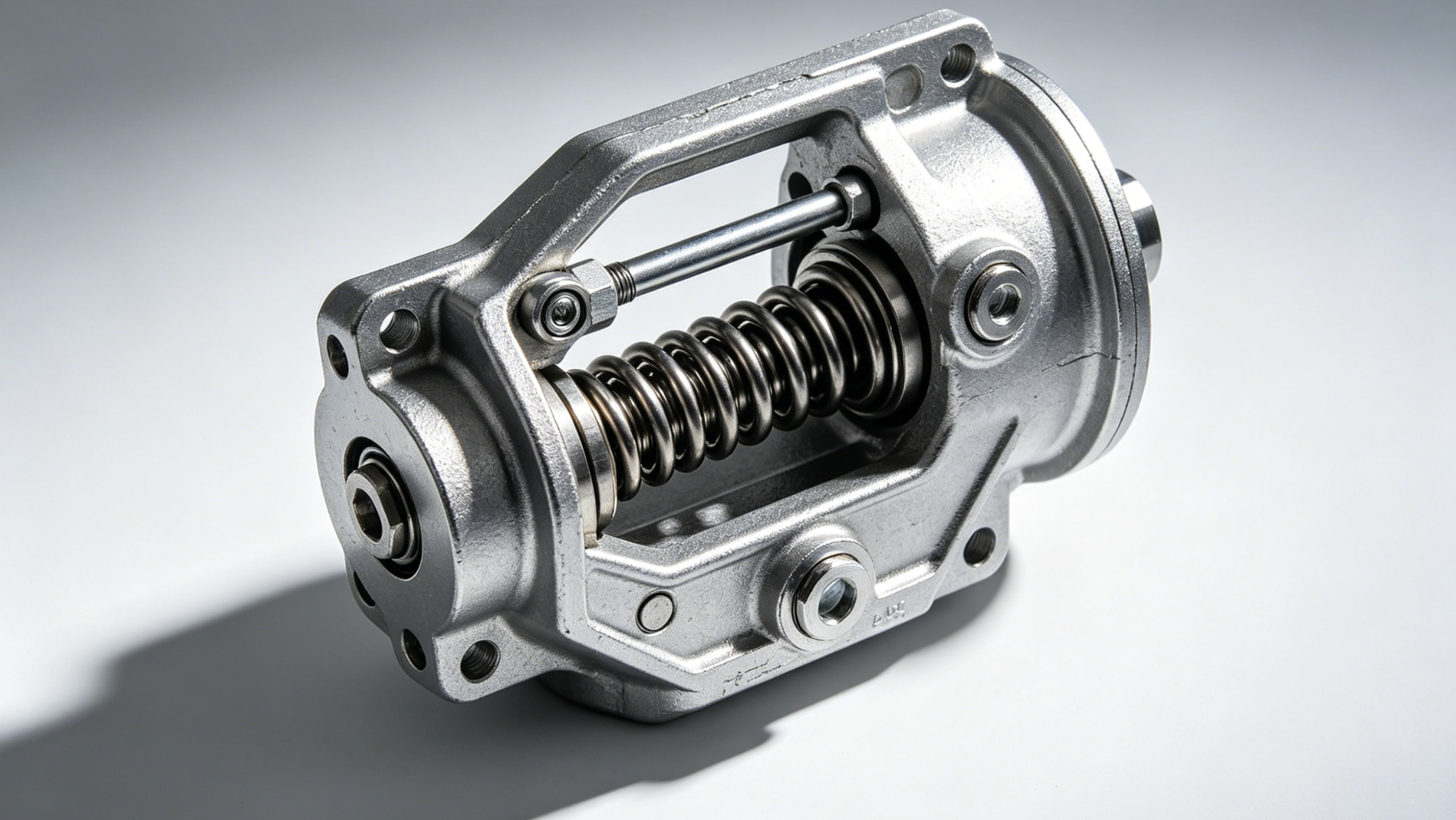
The structure of a modern double diaphragm spring brake chamber is divided into two main sections: the service chamber and the emergency (spring) chamber. The service chamber, located closest to the Slack Adjuster, contains the first diaphragm which responds to pedal application.
The rear section, known as the “piggyback” or emergency side, houses the heavy-duty compression spring and the second diaphragm. This second diaphragm acts as a barrier that holds the spring in a compressed state using system air pressure. According to industry standards such as SAE J1469, these components must withstand extreme pressure cycles and environmental corrosion to ensure reliability in the field.
Table 1: Structural Components Comparison
| Component | Service Chamber Section | Emergency / Spring Section |
|---|---|---|
| Primary Actuator | Rubber Diaphragm | Large Heavy-Duty Coil Spring |
| Pressure Barrier | Single Diaphragm | Secondary Diaphragm (Double Diaphragm Setup) |
| Housing Material | Rolled Steel or Die-cast Aluminum | Deep-drawn Steel (Spring Housing) |
| Internal Parts | Return Spring, Pushrod | Power Spring, Caging Bolt, Diaphragm |
| Typical Use | Active Braking during Driving | Parking and Emergency Fail-safe |
Functional Dynamics: Operation and Air Flow
The function of a Spring Brake Chamber relies on the controlled management of compressed air. During normal driving, air pressure is supplied to the emergency port, pushing against the secondary diaphragm to compress the “power spring,” which releases the brakes.
When the driver applies the brake pedal, air enters the service port, inflating the primary diaphragm in the service chamber. This force moves the pushrod to rotate the Automatic Slack Adjuster, which then presses the Brake Pad against the drum or disc. This dual-functionality is what defines the “double diaphragm” operational logic in modern heavy-duty applications.
Key Differences Between Single and Double Diaphragm Units
While a standard service chamber uses a single diaphragm, a Spring Brake Chamber is almost always a double diaphragm unit. The single diaphragm chamber is strictly for service braking (usually found on front steer axles), whereas the double diaphragm unit provides the mechanical force needed for parking.
Data from the Commercial Vehicle Safety Alliance (CVSA) suggests that improper maintenance of the secondary diaphragm in double-chamber units is a leading cause of roadside inspection failures. If the secondary diaphragm leaks, the power spring may partially apply, causing brake drag, overheating, and potential wheel-end fires.
Table 2: Performance Comparison: Single vs. Double Diaphragm
| Feature | Single Diaphragm (Service Only) | Double Diaphragm (Spring Brake) |
|---|---|---|
| Axle Application | Steer Axles (Front) | Drive and Trailer Axles (Rear) |
| Parking Brake Capability | No | Yes (via Mechanical Spring) |
| Emergency Braking | Dependent on Air Supply | Automatic upon Air Loss |
| Size/Weight | Compact and Lightweight | Larger and Heavier due to Spring |
| Maintenance Complexity | Low | High (Spring Tension Hazard) |
The Role of the Power Spring in Emergency Safety
The “Spring” in a Spring Brake Chamber is a massive coil capable of exerting thousands of pounds of force. In a double diaphragm setup, the air pressure acting on the second diaphragm is the only force keeping this spring retracted.
If a trailer disconnects or the air compressor fails, the air pressure drops, and the spring immediately expands. This “emergency application” is a regulatory requirement under FMVSS 121 in the United States and similar standards globally. Technicians must use a “caging bolt” to manually compress this spring before performing repairs on the Brake Caliper or chamber itself.
Selection Criteria for Aftermarket Replacement
Choosing the correct chamber depends on the “Type” designation, which refers to the effective area of the diaphragm in square inches. Common sizes for heavy trucks include Type 24/30 and Type 30/30.
When replacing parts, it is vital to match the stroke length (standard vs. long stroke). Long stroke chambers are often identified by square-shaped port bosses or specialized tags. Utilizing a Solenoid Valve to test the air signal timing ensures that the new double diaphragm unit reacts within the OEM-specified millisecond range.
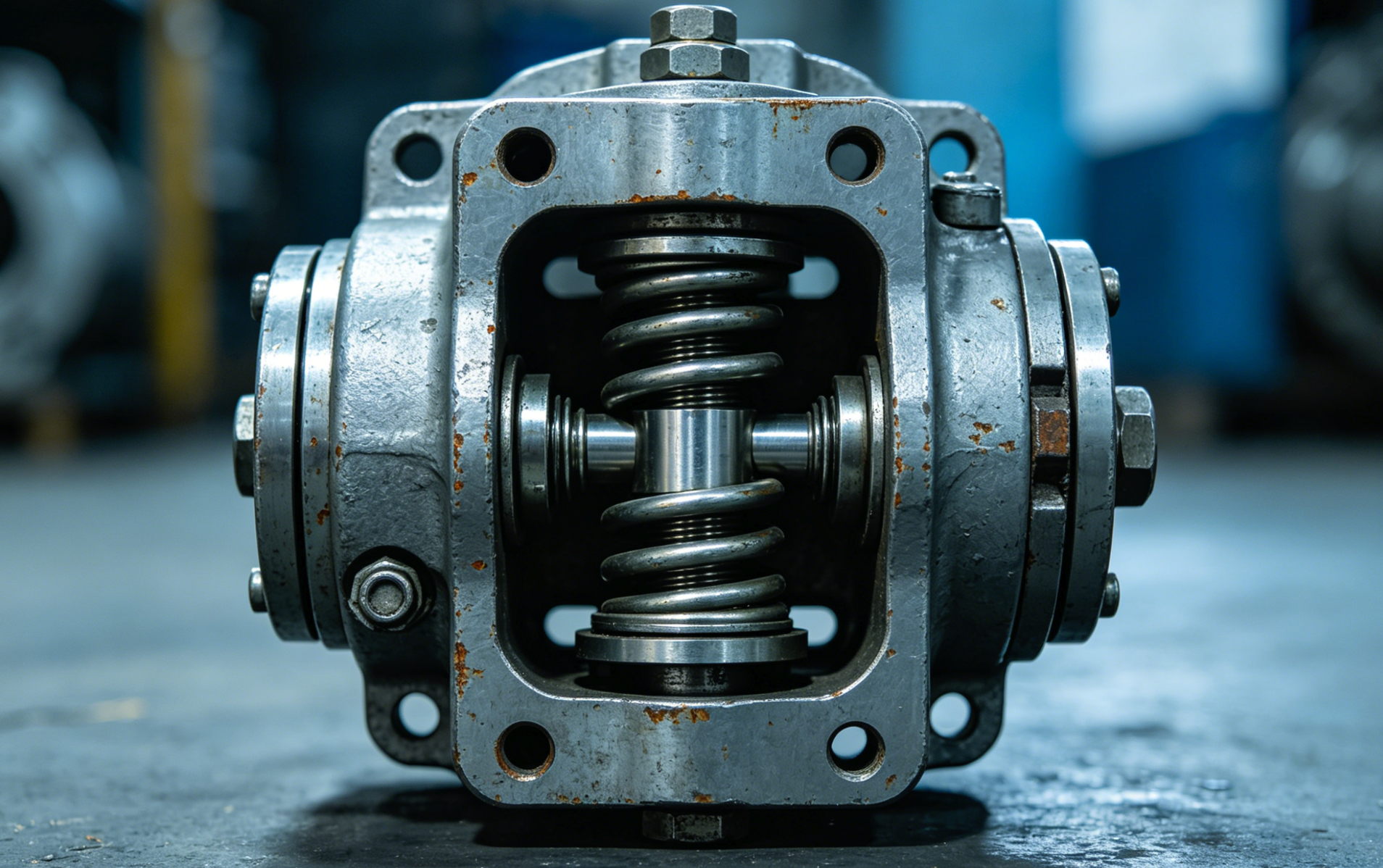
Table 3: Selection Checklist for Maintenance Teams
| Selection Factor | Requirement | Impact on Function |
|---|---|---|
| Chamber Size | e.g., T30/30, T24/30 | Determines total braking force |
| Stroke Length | Standard vs. Long Stroke | Affects slack adjustment frequency |
| Port Orientation | 0°, 90°, 180°, 270° | Ensures proper air line routing |
| Pushrod Length | Must match existing geometry | Prevents “bottoming out” of the rod |
| Clevis Type | Threaded or Welded | Connection to the slack adjuster |
Maintenance Best Practices for Longevity
Reliability in a double diaphragm system depends on the integrity of the rubber seals and the internal spring’s protection from moisture. Corrosion is the primary enemy of the spring brake chamber, often leading to “broken springs” which can puncture the diaphragm or jam the pushrod.
Regularly draining air tanks to remove moisture and inspecting the dust boots on the Wheel Brake Cylinder area can extend the service life of these units. According to Bendix Commercial Vehicle Systems, air brake chambers should be inspected for leaks and structural cracks at every oil change or every 10,000 miles to ensure peak performance.
Conclusion: Balancing Safety and Performance
The Spring Brake Chamber, through its double diaphragm architecture, remains the most trusted method for securing heavy vehicles. By separating service braking and emergency parking into two distinct internal environments, engineers have created a system that prioritizes safety even in the event of total pneumatic failure. For fleet operators and repair shops, understanding these structural nuances is the key to maintaining a compliant and safe commercial fleet.
FAQ
Q1: How can I tell if my spring brake chamber’s secondary diaphragm is leaking?
A leak in the secondary diaphragm is often signaled by a constant air hiss from the exhaust port of the dash control valve or the quick release valve when the parking brakes are released. This indicates air is bypassing the secondary seal into the service side or atmosphere.
Q2: What is the difference between a Type 30/30 and a Type 24/30 chamber?
The numbers represent the square inch area of the diaphragms; a Type 30/30 has 30 sq. in. for both service and spring sections, whereas a 24/30 uses a smaller 24 sq. in. service diaphragm, providing less service force but maintaining high parking hold.
Q3: Is it safe to disassemble a spring brake chamber to replace a single diaphragm?
No, you should never attempt to open the “emergency” or spring side of a chamber because the high-tension power spring can cause fatal injuries. Technicians should only replace the service-side diaphragm or install a complete new “piggyback” or assembly.
Q4: Why do some chambers have square air ports instead of round ones?
Square-shaped air port bosses are the industry-standard visual indicator for “Long Stroke” brake chambers. These units allow for more pushrod travel before the brake loses effectiveness, which is a critical safety feature in modern high-performance braking systems.
Q5: How often should the diaphragms in a double diaphragm unit be replaced?
While there is no fixed expiration date, industry experts recommend replacing diaphragms or the entire chamber every 3 to 5 years, depending on environmental exposure. Harsh conditions like road salt and extreme temperature fluctuations can accelerate the degradation of the rubber material.
Post time: May-27-2026