

Truck brake chamber performance degradation in extreme cold represents a critical safety risk for heavy-duty commercial vehicles operating in northern latitudes. This article analyzes how sub-zero temperatures compromise pneumatic integrity, spring tension, and seal elasticity within the braking system. Understanding these mechanical failures is essential for fleet managers and maintenance professionals sourcing reliable components from a commercial vehicle parts manufacturer.
Defining the Role of the Brake Chamber in Pneumatic Systems
A truck brake chamber converts compressed air energy into mechanical force to apply the brakes. In a standard S-cam setup, the air pressure moves a diaphragm, which pushes a rod to rotate the slack adjuster. Extreme cold affects this energy conversion by increasing the brittleness of rubber components and altering the viscosity of internal lubricants. Maintaining optimal brake chamber functionality ensures that the clamping force remains consistent despite external environmental stressors.
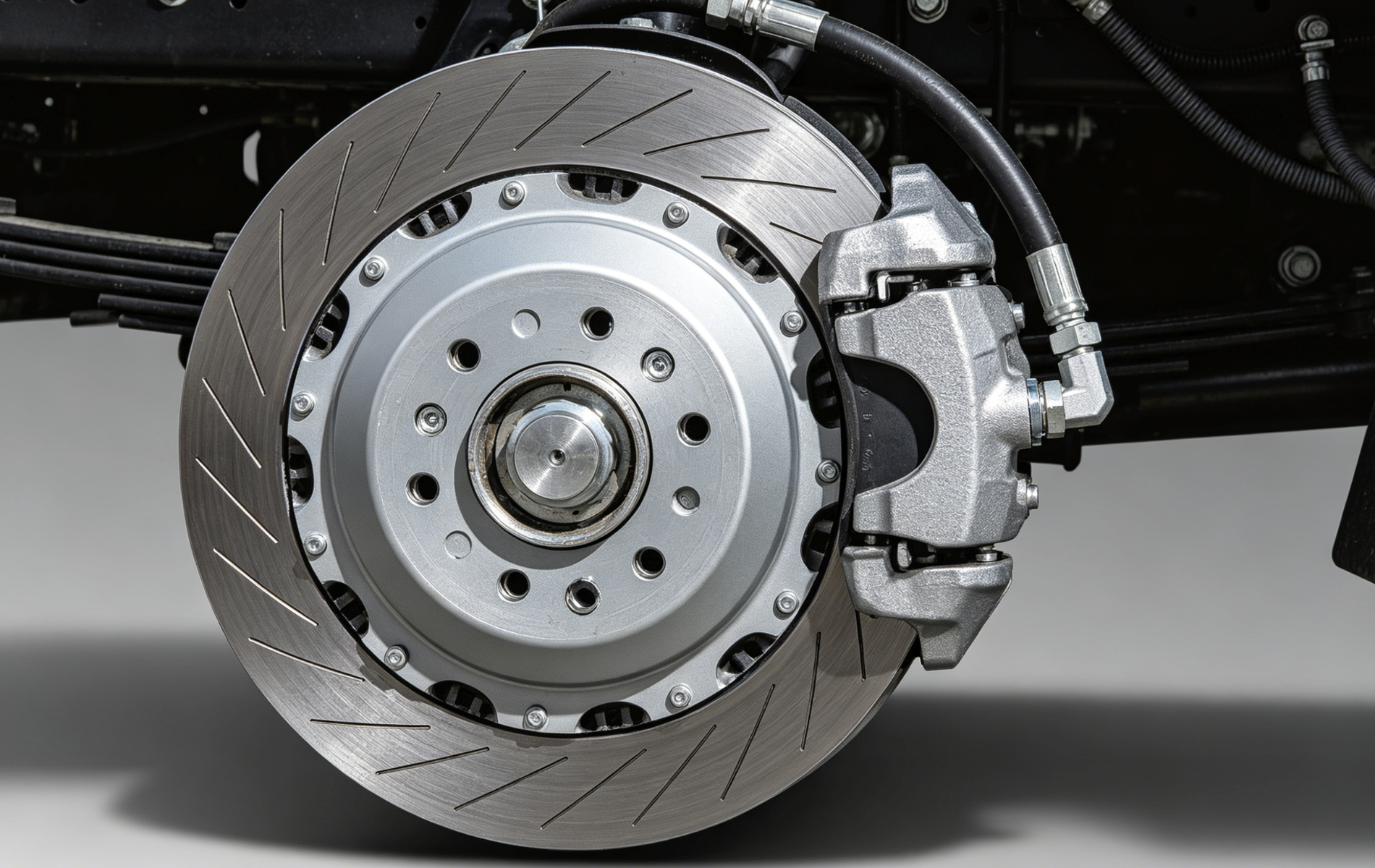
How Sub-Zero Temperatures Affect Diaphragm Elasticity
The rubber diaphragm is the most temperature-sensitive component within the service brake chamber. When temperatures drop below -30°C, standard synthetic rubber compounds reach their glass transition temperature, becoming rigid and prone to cracking. This loss of flexibility leads to “slow leaks,” where air escapes during application, reducing the total pressure exerted on the brake shoes. Sourcing high-quality replacements from a trusted heavy duty truck parts supplier is necessary to ensure the use of low-temperature resistant EPDM or silicone-based diaphragms.
Spring Fatigue and Delayed Release in Cold Weather
Parking brake chambers rely on a heavy-duty power spring to hold the vehicle stationary. Extreme cold can cause the metal in these springs to become brittle, increasing the likelihood of a catastrophic spring break. Furthermore, frozen moisture within the housing can cause the spring to “hang up,” preventing the brakes from releasing fully after the driver disengages the parking valve. This dragging increases heat and wear on the brake drum, leading to premature failure of the entire wheel end assembly.
Mechanical Impediments: Moisture and Ice Formation
Moisture is the primary enemy of air brake systems in winter conditions. Even with a functioning air dryer, rapid temperature fluctuations cause condensation inside the brake lines and chambers. This water can freeze into ice crystals that block the small ports within the chamber or jam the pushrod mechanism. According to Bendix Commercial Vehicle Systems, consistent drainage of air tanks and the use of high-specification air dryers are the first lines of defense against ice-related brake failure.
Lubrication Failure and Friction Increases
Internal components of the brake chamber are coated with specialized grease to reduce friction between the pushrod and the housing. In extreme cold, standard grease can thicken to a “waxy” consistency, significantly increasing the force required to move the internal piston. This mechanical resistance results in a delayed brake response time, which is dangerous during emergency maneuvers. Industry experts at CVSA (Commercial Vehicle Safety Alliance) emphasize that any delay in brake application can increase stopping distances by several meters on icy roads.
Comparative Analysis of Brake Chamber Components in Cold vs. Temperate Climates
| Component | Temperate Performance (15°C to 30°C) | Extreme Cold Performance (-20°C to -45°C) | Risk Level |
|---|---|---|---|
| Diaphragm | High elasticity; seamless seal. | Brittle; prone to “cold-set” leaks. | Critical |
| Power Spring | Consistent tension and recoil. | Increased brittleness; risk of fracture. | High |
| Seals/O-rings | Pliable; maintains air pressure. | Shrinkage; leads to bypass leakage. | Moderate |
| Lubrication | Low viscosity; smooth movement. | High viscosity; “gumming” effect. | Moderate |
Seal Shrinkage and Air Bypass Issues
Air bypass occurs when the internal seals of the spring brake chamber shrink due to thermal contraction. This allows high-pressure air from the emergency side to leak into the service side or vent to the atmosphere. While a small leak might seem negligible, the cumulative effect across a multi-axle trailer can overwhelm the air compressor’s ability to maintain system pressure. Fleet operators often look for a brake chamber supplier that provides units tested to SAE J1469 standards for cold-weather performance.

Structural Integrity of the Housing
The aluminum or steel housing of the brake chamber is subject to thermal expansion and contraction cycles. In regions using heavy road salt or chemical de-icers (like calcium chloride), the housing can suffer from accelerated galvanic corrosion when moisture is trapped against the metal in freezing conditions. A compromised housing can lead to “caging bolt” failure or a sudden release of the power spring. Selecting a China truck parts factory that utilizes high-grade anti-corrosion coatings is vital for long-term durability in salt-belt regions.
Impact on Slack Adjuster Synchronization
The performance of the brake chamber is inextricably linked to the slack adjuster. If the chamber pushrod is sluggish due to cold, the slack adjuster may not receive the proper mechanical input to take up the “slack” caused by lining wear. This leads to an “out of adjustment” condition, which is a leading cause of roadside inspection failures. Regular lubrication of the slack adjuster with low-temperature grease is required to maintain the synergy between these two components.
Recommended Maintenance Intervals for Cold Climates
| Task | Frequency (Winter) | Objective |
|---|---|---|
| Air Tank Draining | Daily | Remove moisture before it freezes in the chambers. |
| Visual Inspection | Weekly | Check for cracked diaphragms and housing corrosion. |
| Leak Down Test | Weekly | Identify “silent” bypass leaks in the spring chamber. |
| Pushrod Travel Check | Monthly | Ensure the stroke remains within legal limits despite cold. |
Technical Specifications for Cold-Weather Brake Chambers
When evaluating replacement parts, technical specifications must meet or exceed the original equipment manufacturer (OEM) requirements. For extreme cold, the “Type 30/30″ or “Type 24/30″ chambers are standard for most heavy trucks. However, the rubber compound should be rated for a minimum of -40°C. Data from FMSI (Friction Materials Standards Institute) suggests that using non-certified aftermarket parts in sub-zero environments increases the frequency of brake-related accidents by approximately 12% in winter months.
Choosing the Right Replacement Components
Selecting a reliable truck air brake system manufacturer involves verifying their testing protocols for extreme environments. High-quality chambers undergo salt spray testing and low-temperature cycle testing to simulate five to ten years of winter driving. For the aftermarket, focusing on the quality of the brake chamber and its internal components is more cost-effective than frequent replacements of low-tier units that fail during the first freeze.
Installation and Safety Protocols
Installing a brake chamber in freezing conditions requires additional care. The technician must ensure that no ice or snow is trapped inside the air lines before reconnecting them to the new chamber. Using a small amount of airline antifreeze is a common practice, but it must be used sparingly to avoid damaging the rubber seals. Always follow the guidelines provided by the National Highway Traffic Safety Administration (NHTSA) regarding the secure handling of compressed spring brake units, as they contain enough stored energy to be lethal if mishandled.
Selection Checklist for Procurement Managers
- Material Certification: Ensure diaphragms are EPDM or high-grade Nitrile.
- Operating Temperature Range: Verify the unit is rated for -40°C or lower.
- Corrosion Resistance: Look for powder-coated or epoxy-coated housings.
- Supplier Reputation: Partner with an established commercial vehicle parts manufacturer with ISO/IATF 16949 certification.
- Warranty Terms: Confirm the warranty covers premature failure due to environmental stress.
Conclusion on Cold Weather Performance
The degradation of truck brake chamber performance in extreme cold is a multifaceted issue involving material science, mechanical design, and proactive maintenance. By understanding how sub-zero temperatures affect diaphragms, springs, and lubricants, fleet owners can make informed decisions when sourcing parts. Prioritizing high-specification components from a reputable heavy duty truck parts supplier ensures that commercial vehicles remain safe and operational even in the harshest winter conditions.
Frequently Asked Questions (FAQ)
1. Why do my truck brakes take longer to release in freezing weather?
Delayed release is usually caused by thickened grease or ice formation inside the brake chamber. The internal return spring must overcome this increased resistance to pull the pushrod back. To prevent this, ensure your air dryer is functional and use low-temperature lubricants during routine maintenance.
2. Can a cracked brake chamber diaphragm be repaired temporarily?
No, a cracked diaphragm cannot be repaired and must be replaced immediately. Even a pinhole leak can lead to a total loss of braking force on that wheel. Always source a high-quality replacement from a brake chamber supplier to ensure the new component meets safety standards.
3. How can I tell if my spring brake chamber has an internal leak?
Perform a “leak down test” by charging the system, turning off the engine, and monitoring the air gauges with the parking brake released. If the pressure drops more than 2-3 PSI per minute, use soapy water to check for air escaping from the chamber’s vent holes.
4. Does road salt affect the life of a brake chamber?
Yes, road salt and liquid de-icers are highly corrosive to the metal housing and the caging bolt. Over time, corrosion can weaken the structural integrity of the chamber. Choosing a China truck parts factory that offers superior anti-corrosion coatings can significantly extend the part’s lifespan.
5. Is there a specific type of brake chamber for arctic conditions?
While “arctic grade” chambers exist, the most important factor is the diaphragm material and the internal lubricant. Look for units specifically labeled for low-temperature service, which utilize specialized rubber compounds that remain flexible at -40°C or below to prevent air bypass.
Post time: May-28-2026